
Home >> Industrial & Innovative Design >> Interior Architectural Space Design >> Career Path: Retail & Branded Space Design
Design the Places Where Brands Come to Life
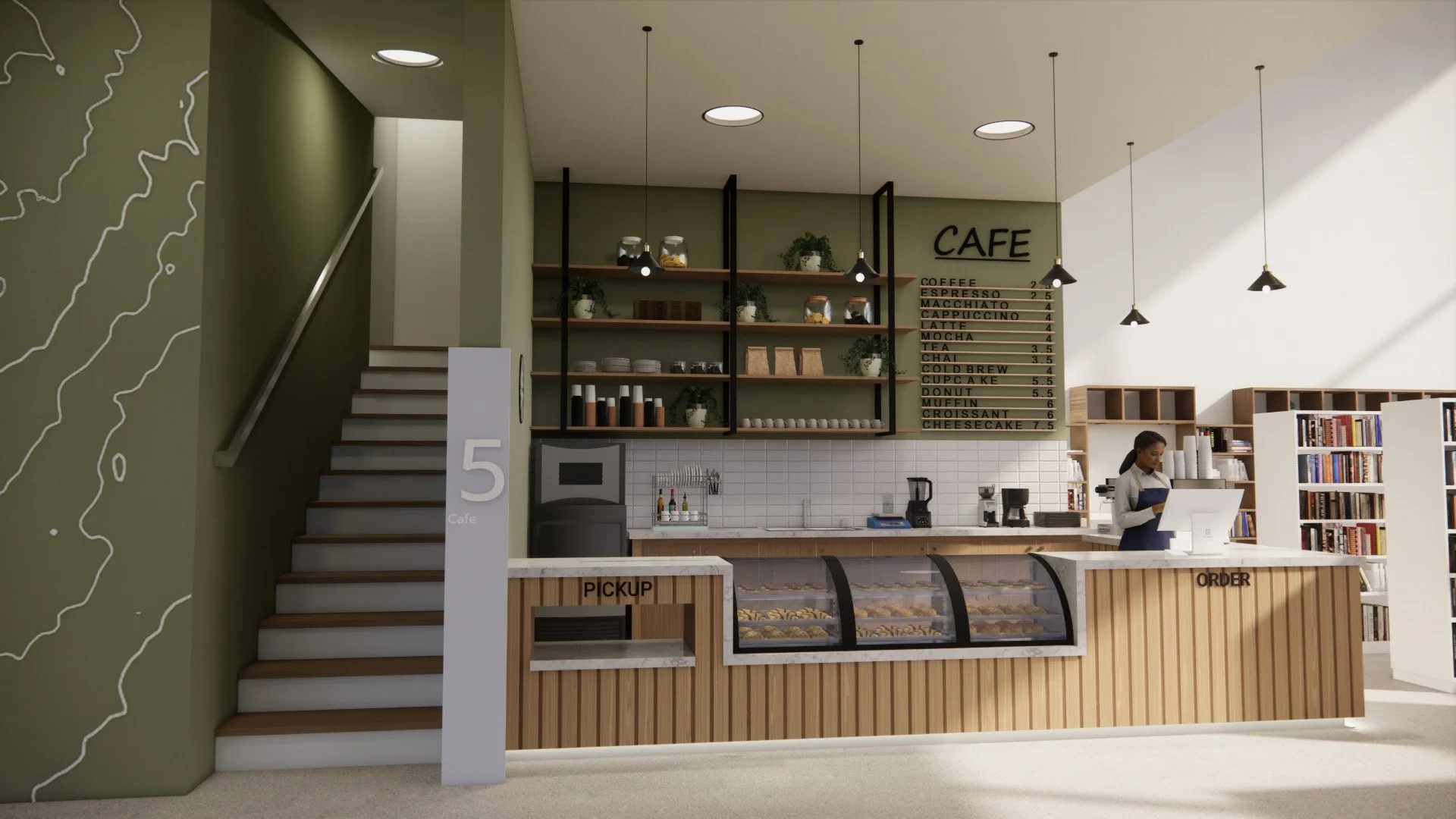
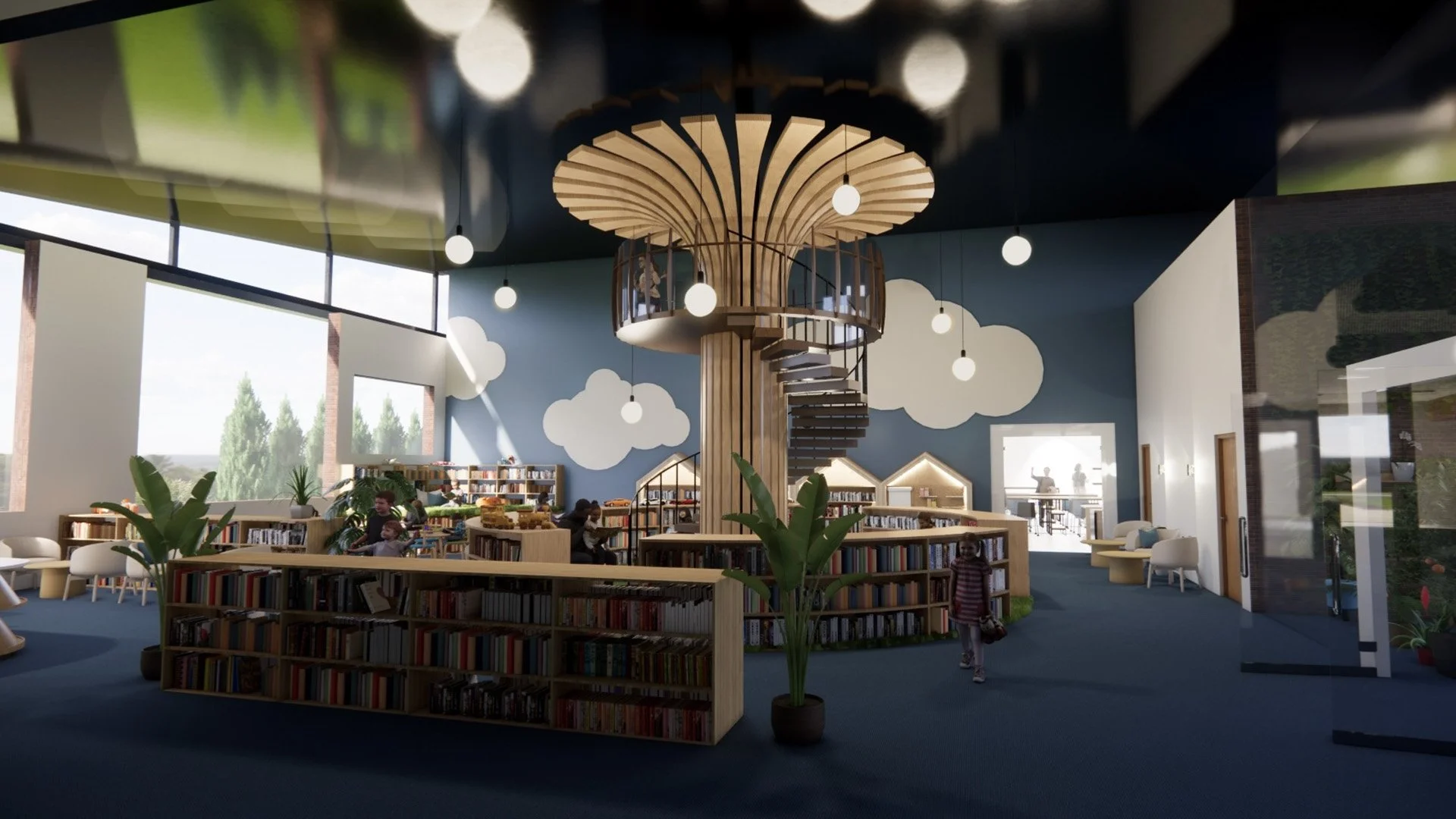
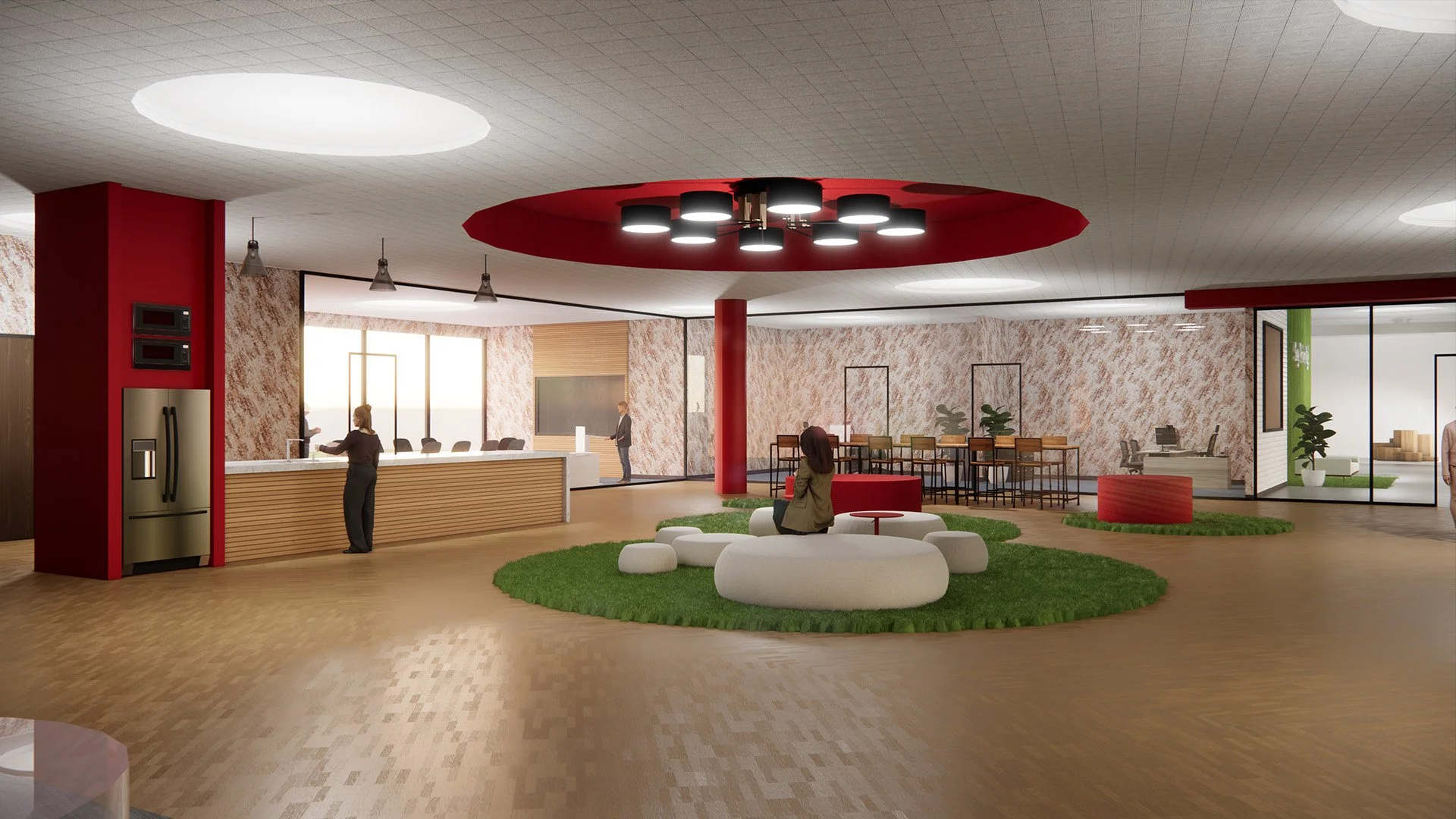
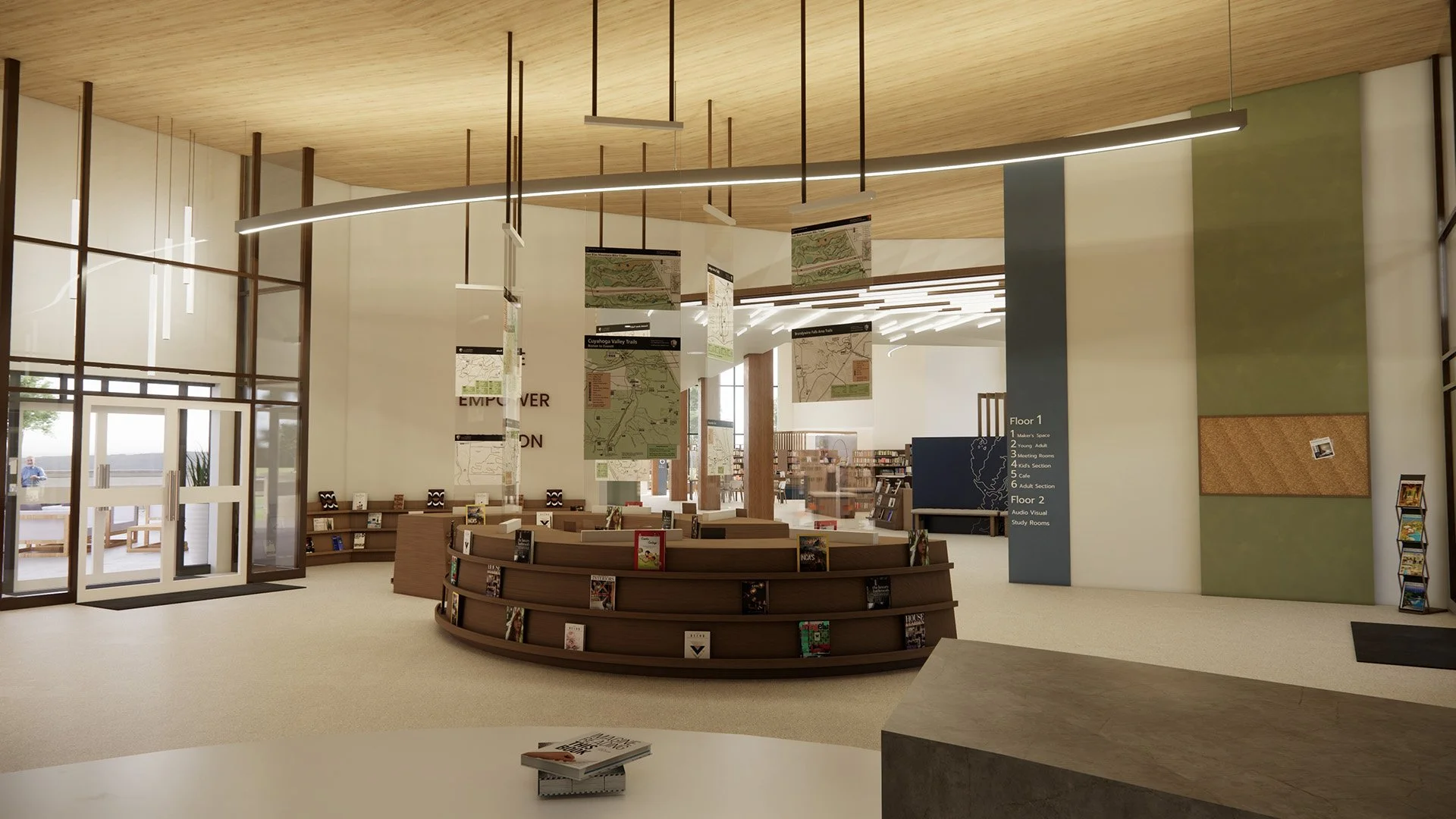
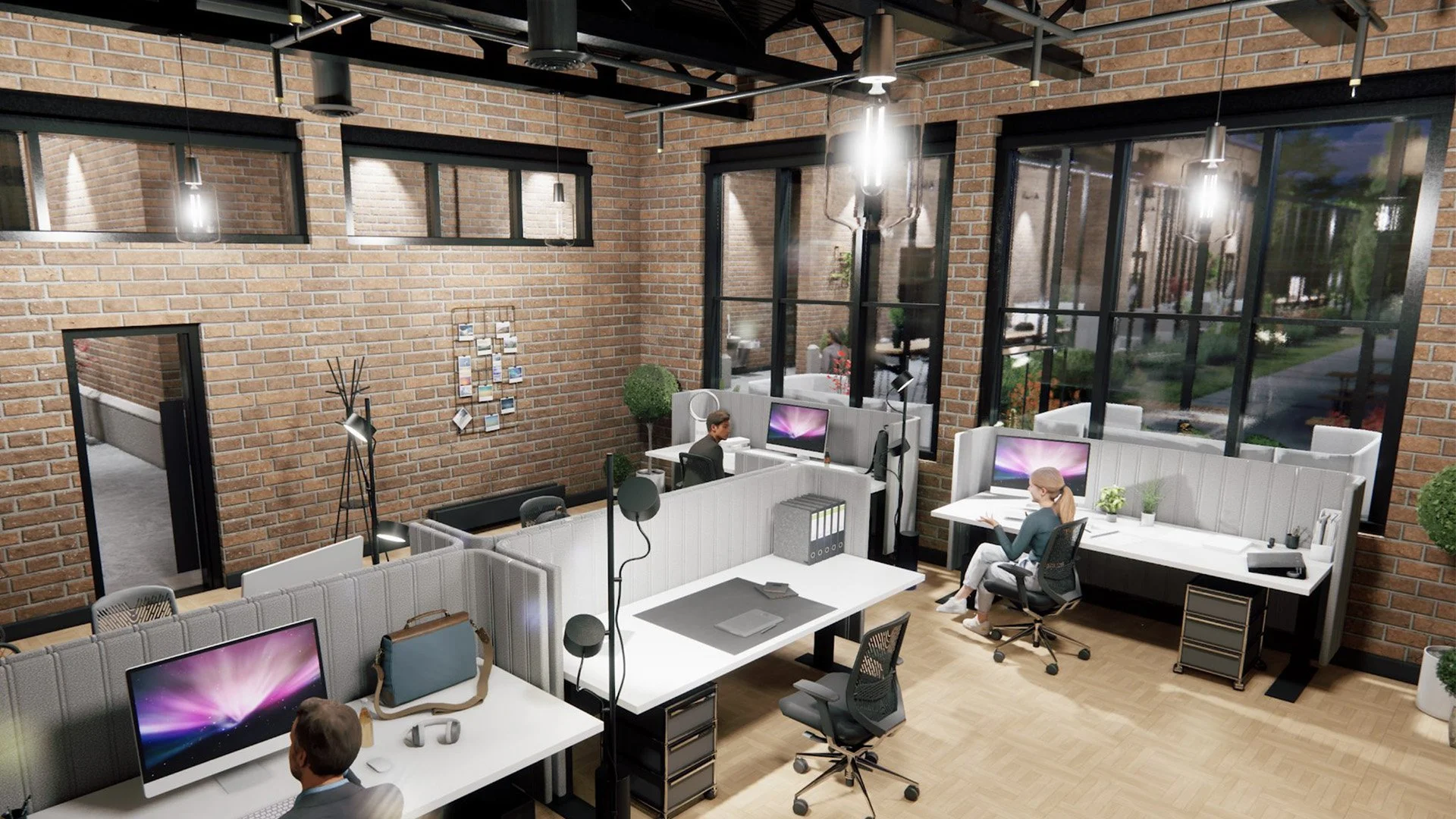
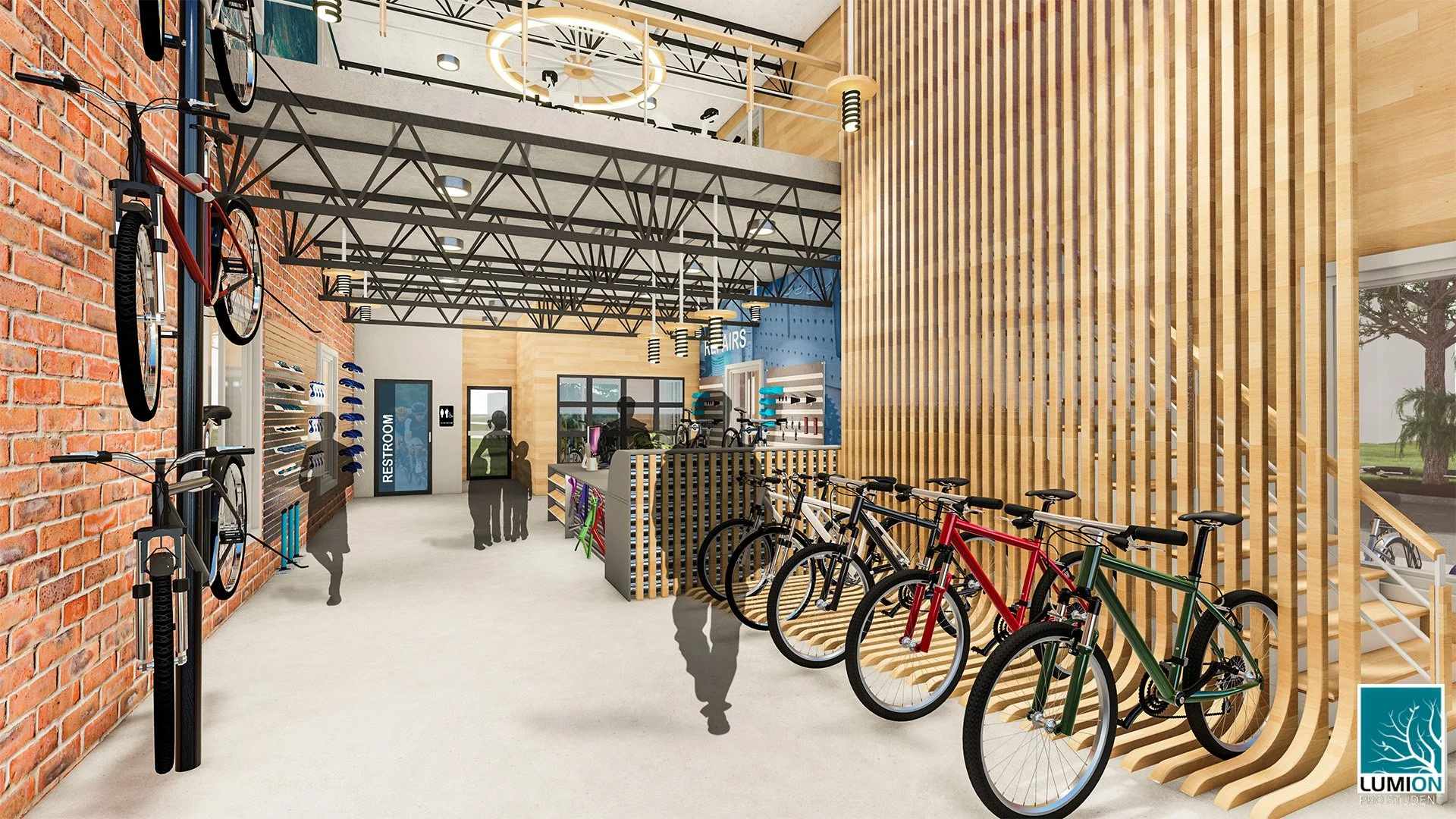
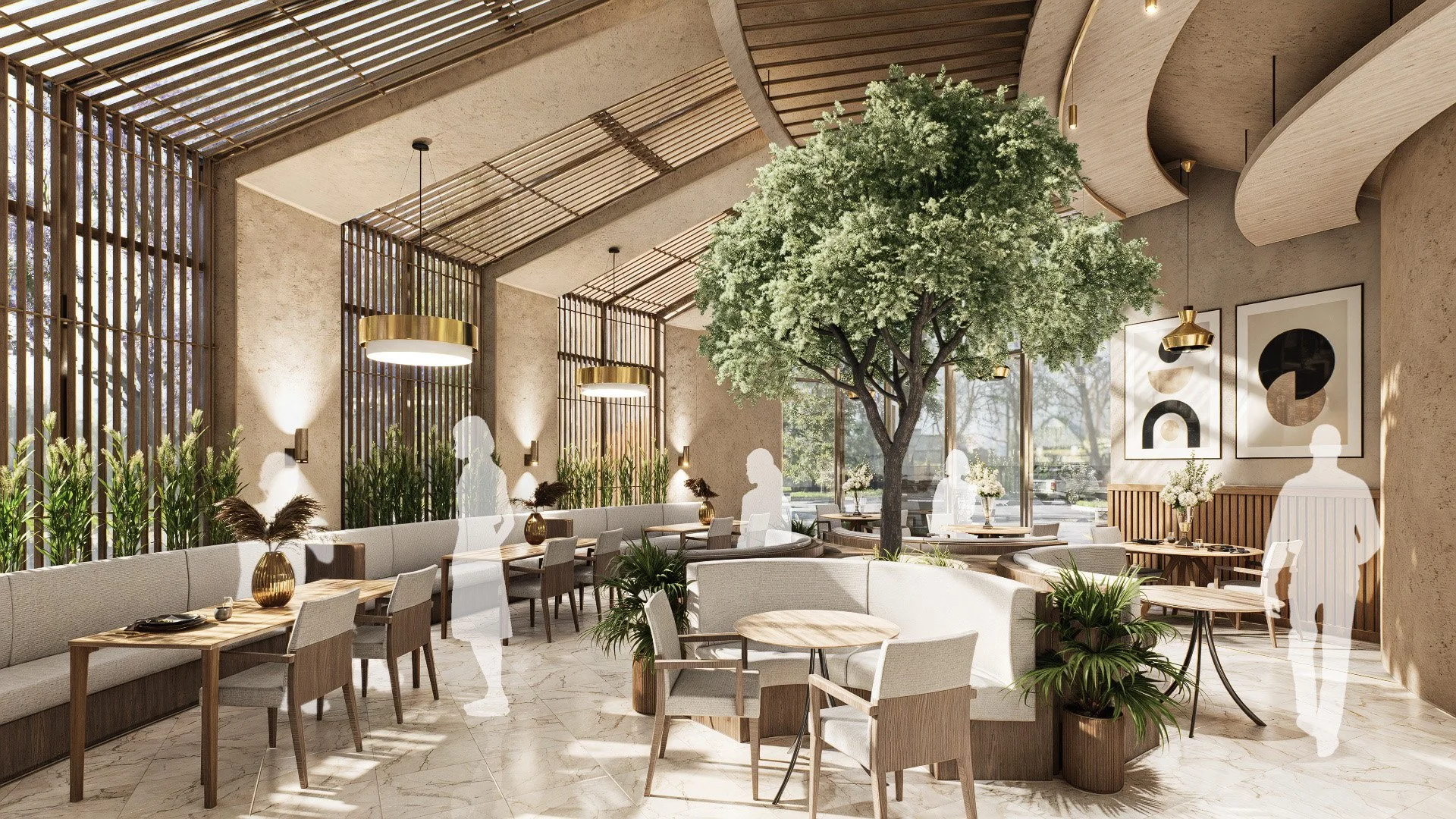
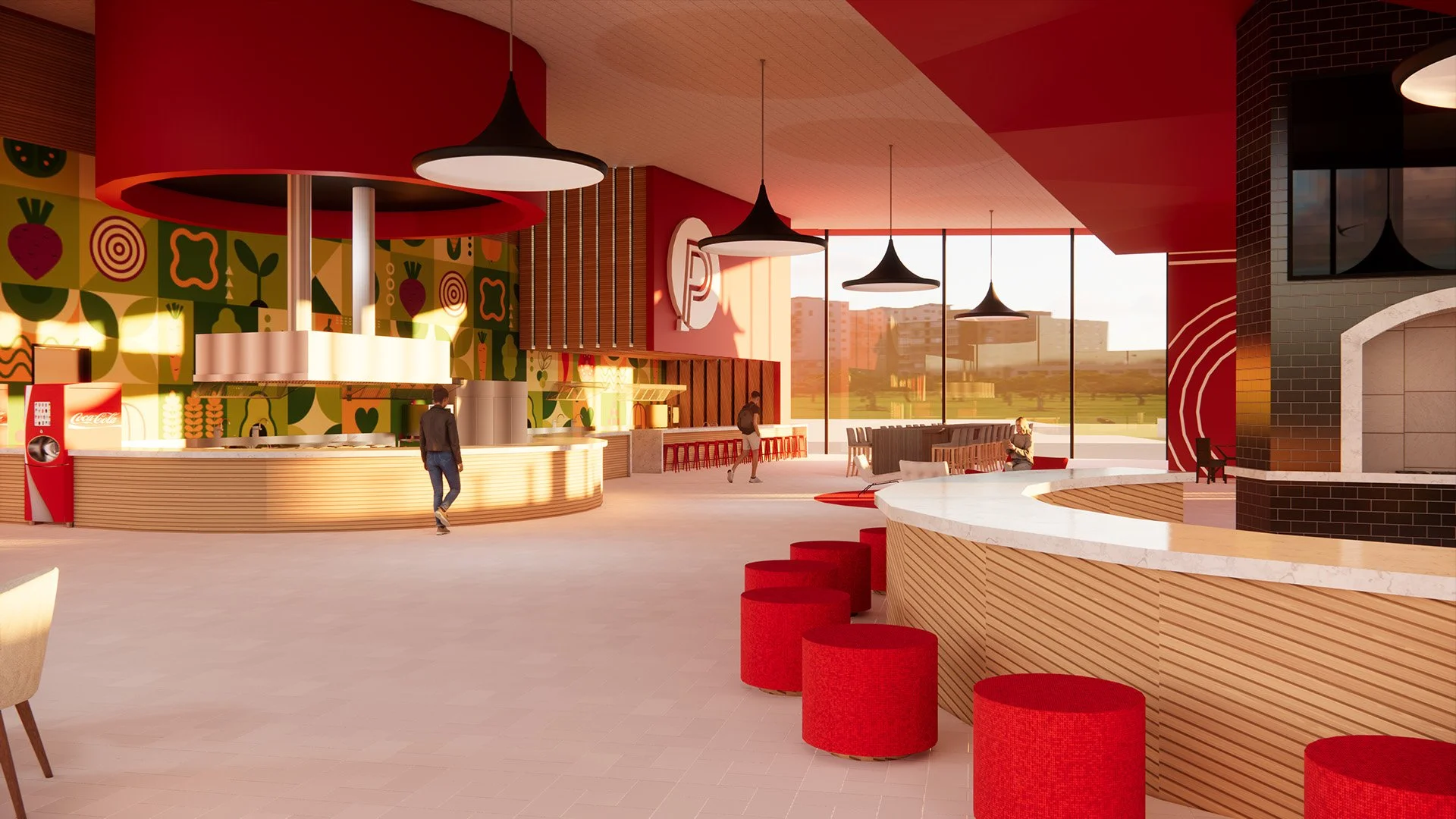
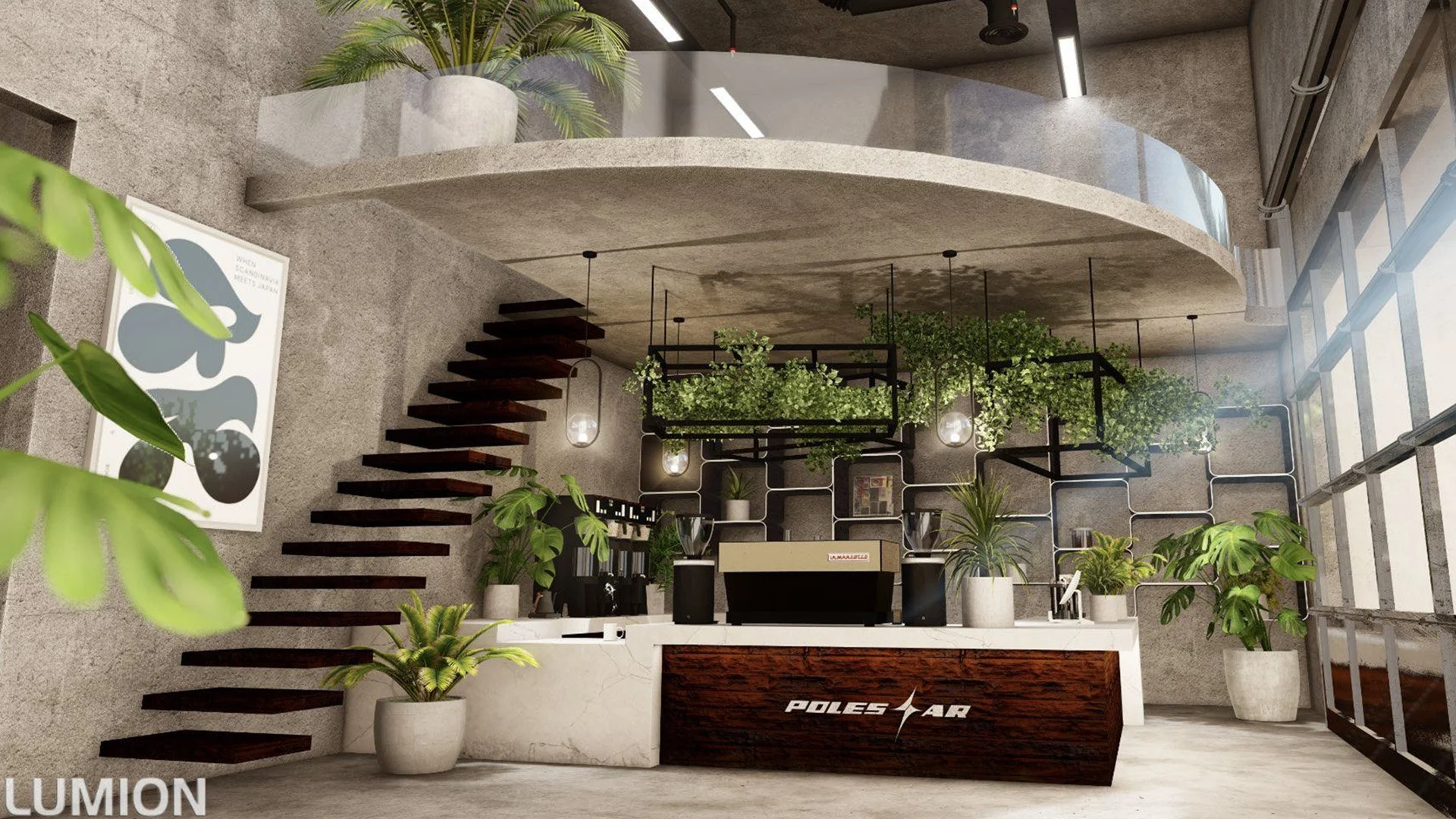
RETAIL & BRANDED SPACE DESIGN
What if you could turn a brand into a place?
Think about walking into a great store.
Before anyone says a word, the environment is already communicating with you.
The architecture. Lighting. Materials. Displays. Music. Graphics. Furniture. Products. Technology. Even the way you move through the space.
Together, they tell you something about the brand.
Retail and branded-space designers create those experiences.
They combine creativity, architecture, industrial design, consumer behavior, technology and brand strategy to transform a company's identity into a three-dimensional environment people can actually enter, explore and experience.
For students who love design but are also fascinated by brands, products, business, fashion, technology, architecture or consumer behavior, this can be an exciting career.
An Industrial and Innovative Design degree from Cedarville University, in partnership with the International Center for Creativity (ICC), prepares you for a career in Retail & Branded Space Design.
Student Project Gallery
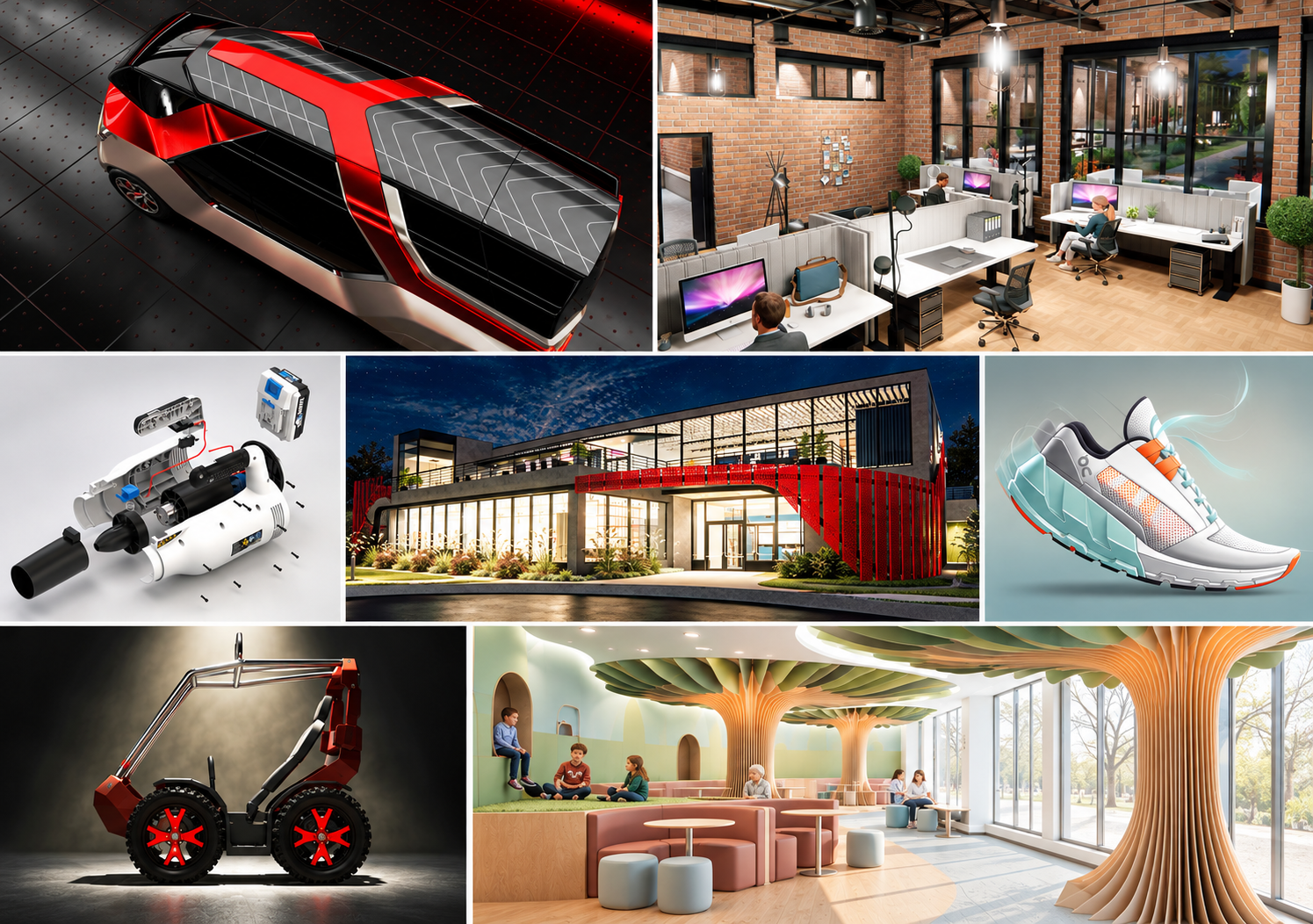
Throughout the academic year and during summer internships, students and staff at the International Center for Creativity (ICC) engage in hands-on design projects that bridge the gap between classroom learning and professional practice. Some projects are sponsored by industry partners, while others are carefully developed classroom experiences designed to replicate the challenges and expectations of the professional design world.
Each project follows a structured design process, beginning with a design brief and progressing through research, ideation, concept development, prototyping, and final presentation. With real deadlines, defined deliverables, and professional expectations, these experiences closely mirror the day-to-day responsibilities of an industrial designer—preparing students with the technical skills, creative problem-solving abilities, and professional confidence needed to succeed in their careers.
Explore Student Projects to discover not only the final design solutions, but also the creative thinking, exploration, and iterative process that brought them to life.
Senior Capstone Spotlight
Senior students in the Industrial and Innovative Design major bring together their acquired skills, creativity, and problem-solving abilities through a semester-long capstone project. These projects challenge students to explore a diverse range of design opportunities, applying research, human-centered design principles, and innovative thinking to develop thoughtful solutions to real-world challenges.
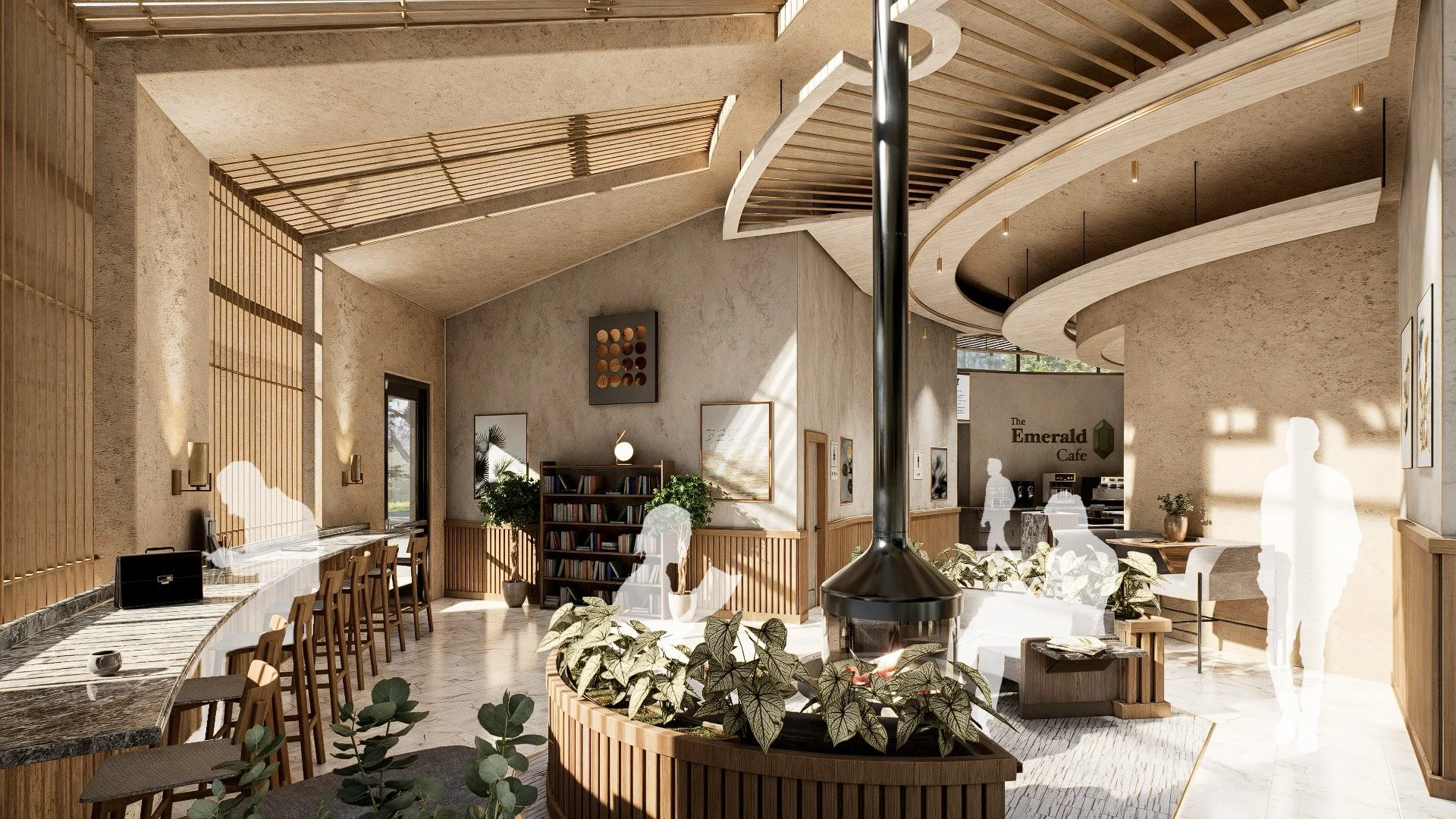
The video above showcases Aaron Cox’s senior capstone project, The Emerald Café: A Community Hub for Connection and Productivity. This project demonstrates how thoughtful interior and architectural space design can bring people together, foster collaboration, and create an inviting environment that balances social interaction with productivity.
Real-World Projects. Real-World Experience.
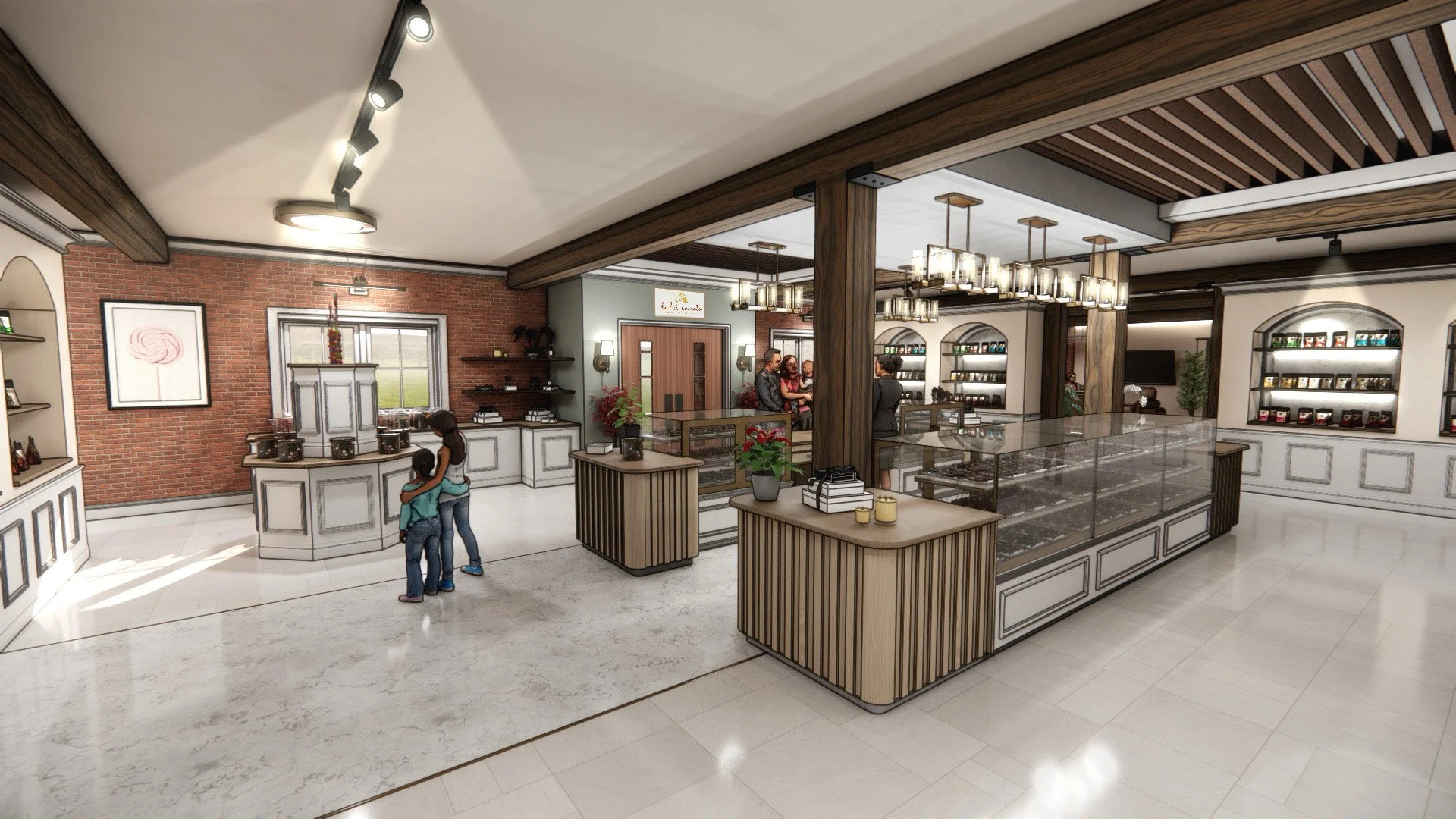
At the International Center for Creativity (ICC), experiential learning goes beyond the classroom. Students collaborate with real businesses and organizations to tackle authentic design challenges, gaining valuable hands-on experience while developing creative solutions that make a meaningful impact.
One example is ICC’s project with Dulci Sweets in Ashland, Ohio, where senior Industrial and Innovative Design students explored architectural spaces, interior design, and customer experiences to help shape a local business expansion and contribute to community revitalization.
Read the Full Story: Dulci Sweets’ Expansion Helps Revitalize Ashland
ICC Grad Talk
Where are they now? Catch up with ICC graduates and discover where their creativity has taken them. These videos highlight their careers, accomplishments, and experiences since graduation—and offer a glimpse into the many paths an ICC education can inspire.
In this interview, Alyssa (Vandegrift) Hawkins shares insights from her work as the director of graphics at Hub+Weber Architects. She discusses best practices for rendering composition, the software tools she uses in her workflow, and several recent architectural projects she has contributed to. Alyssa also offers practical advice and encouragement for current students preparing to enter the architectural design industry.
Two Campuses. One Exceptional Student Experience.
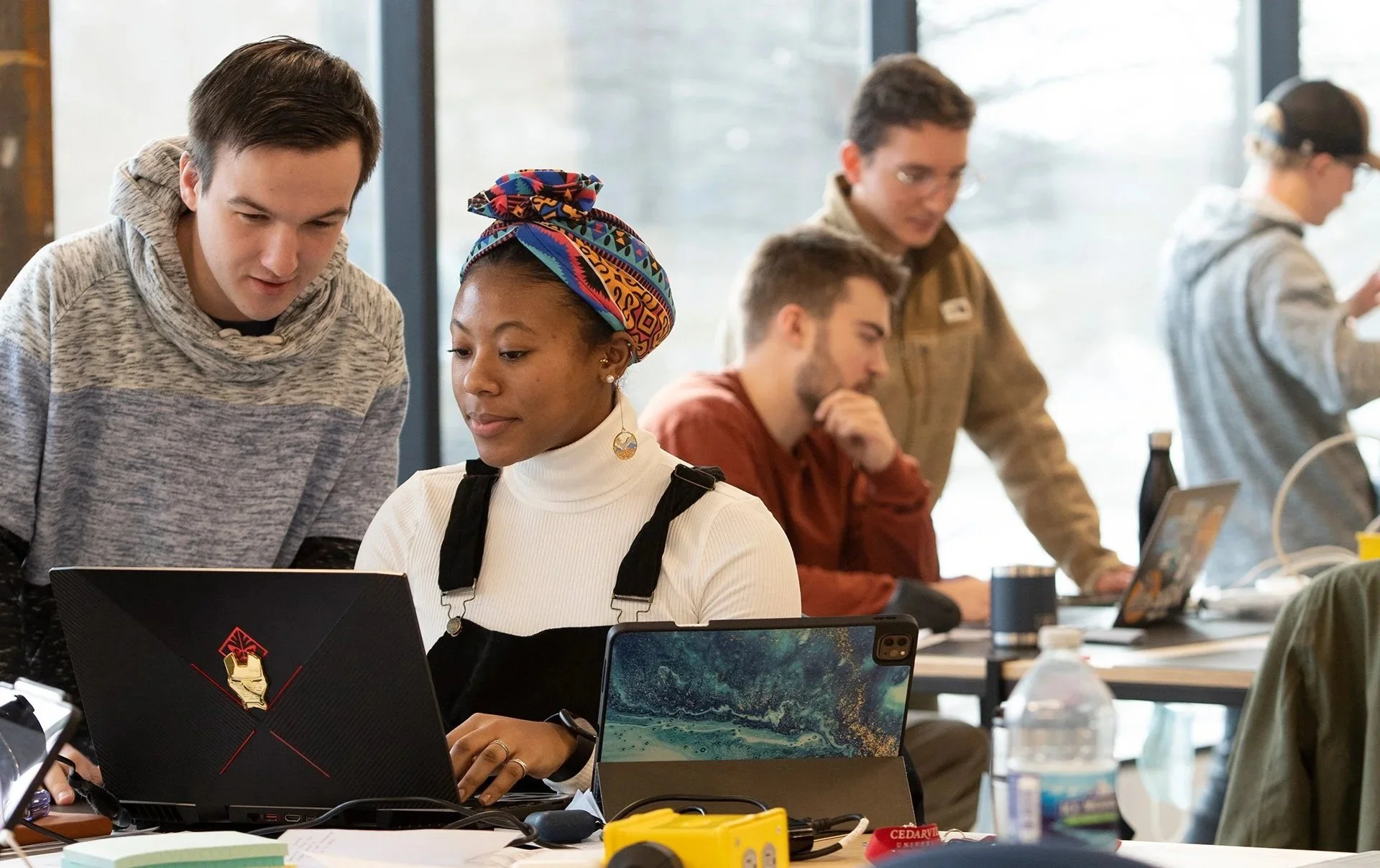
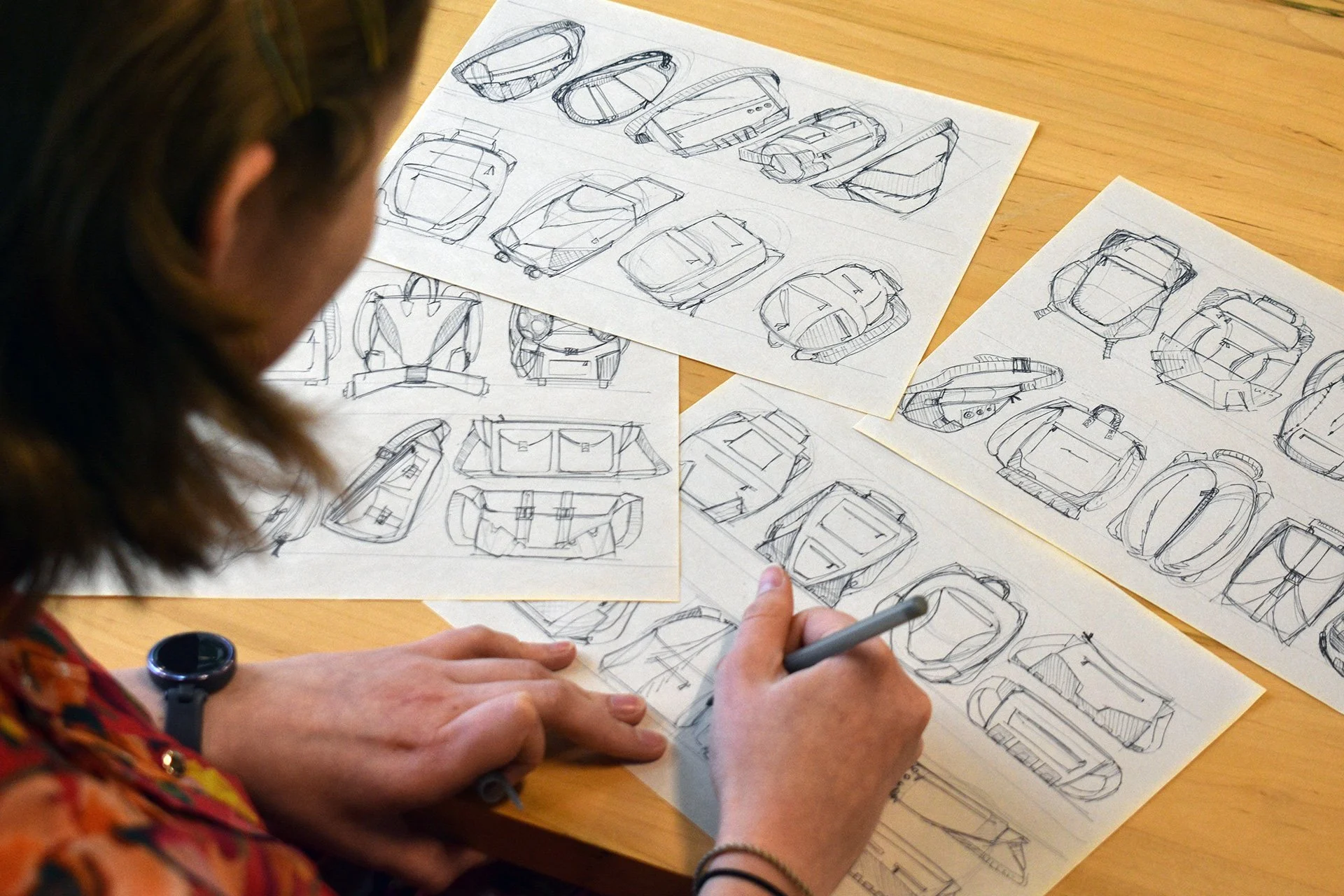
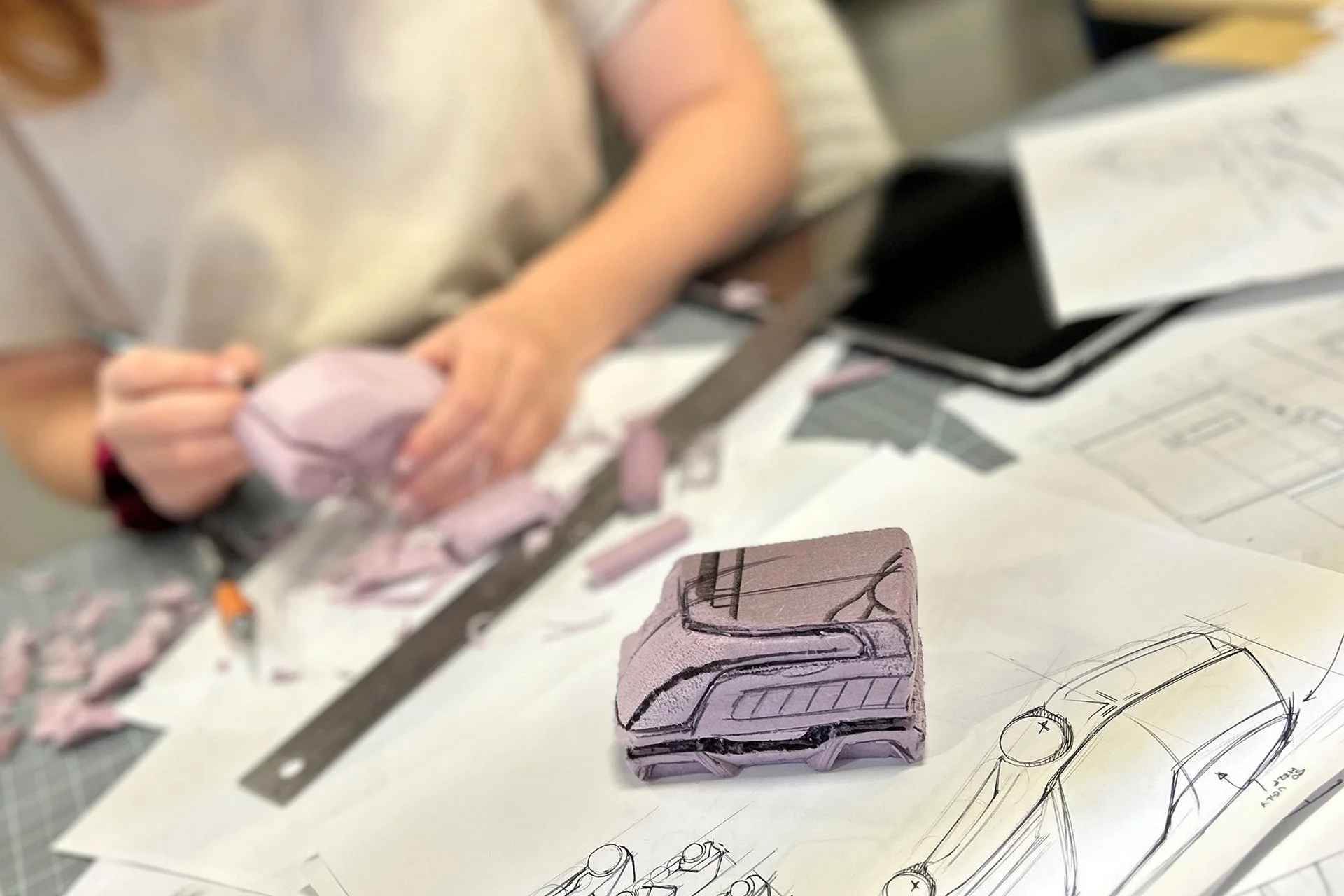
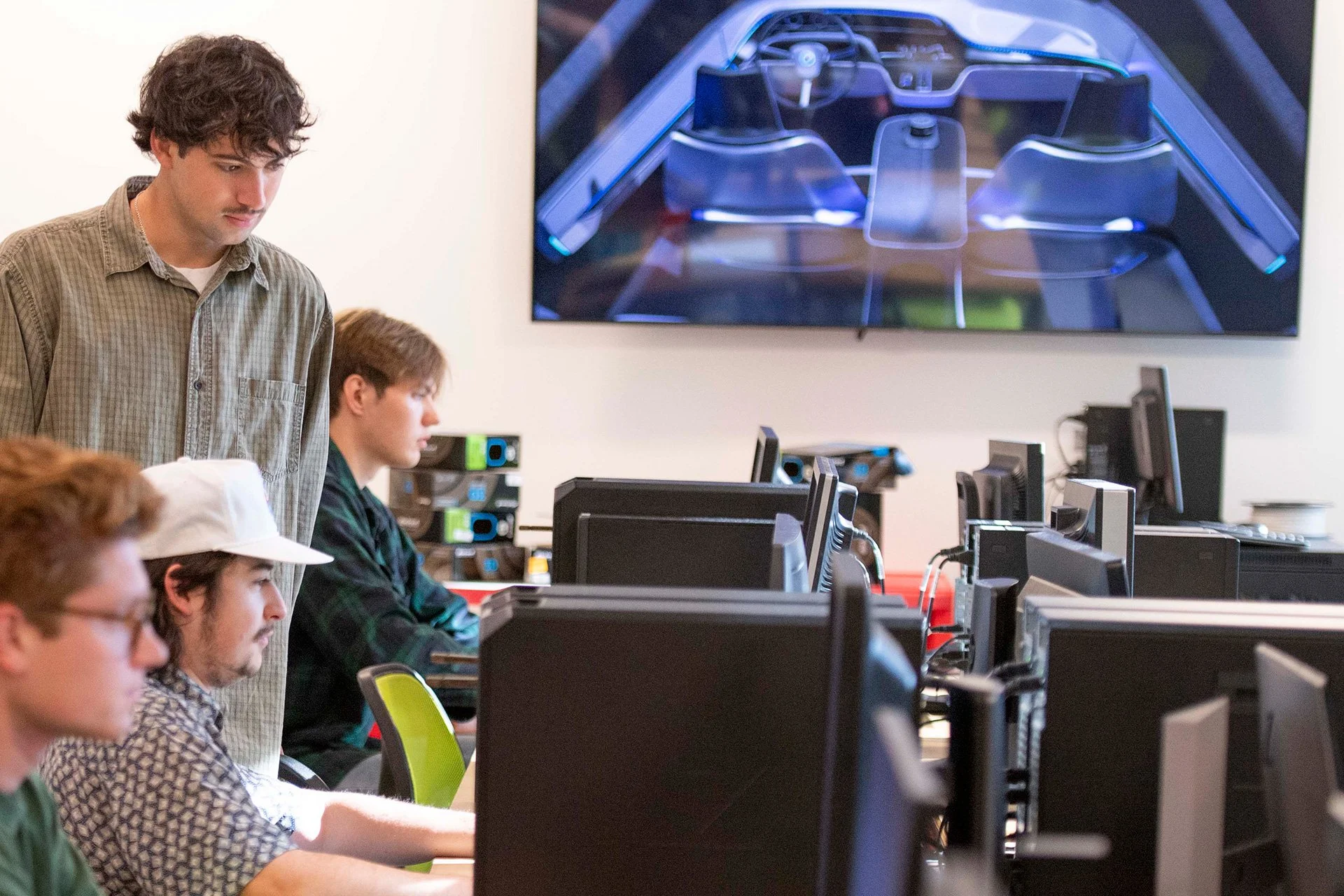
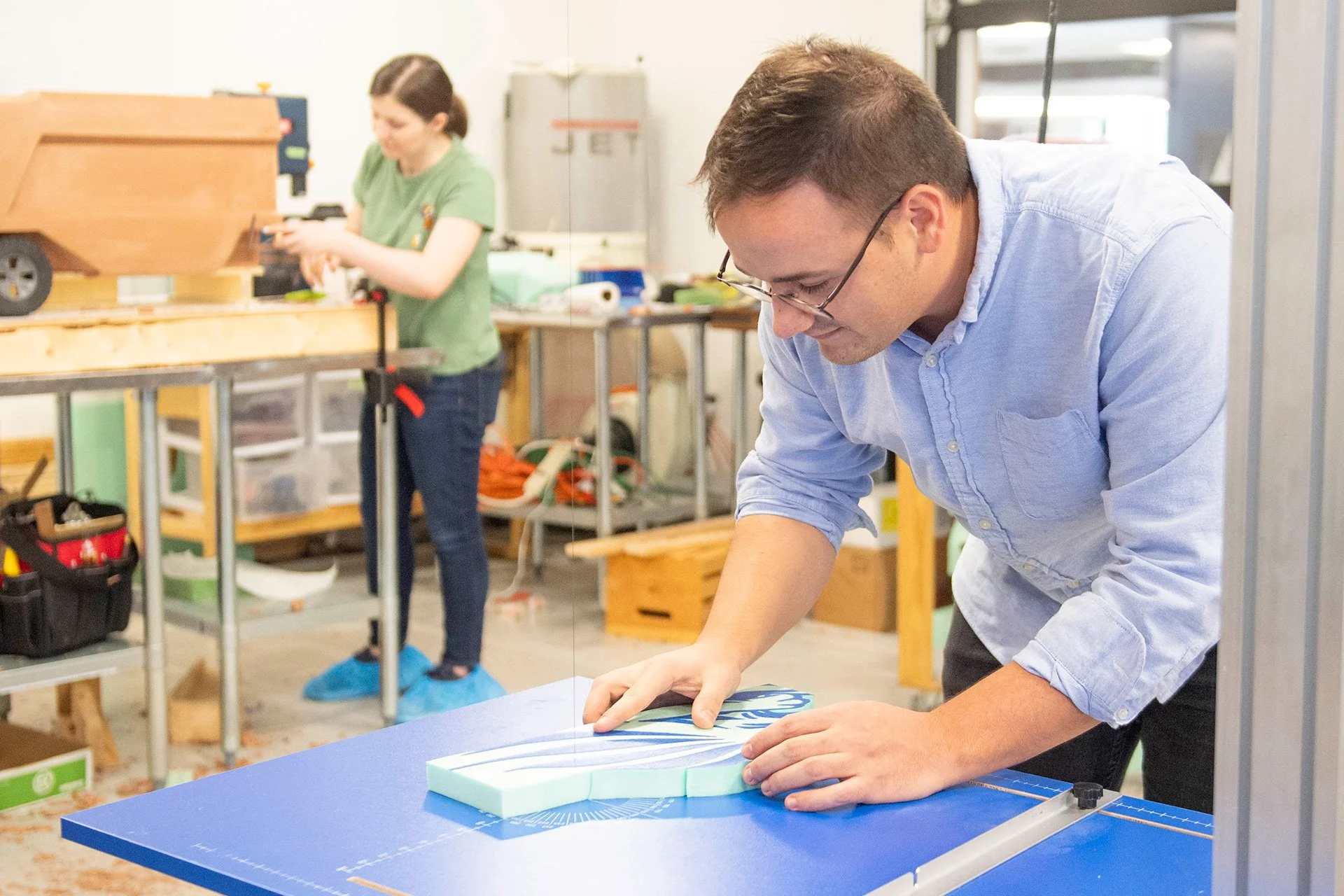
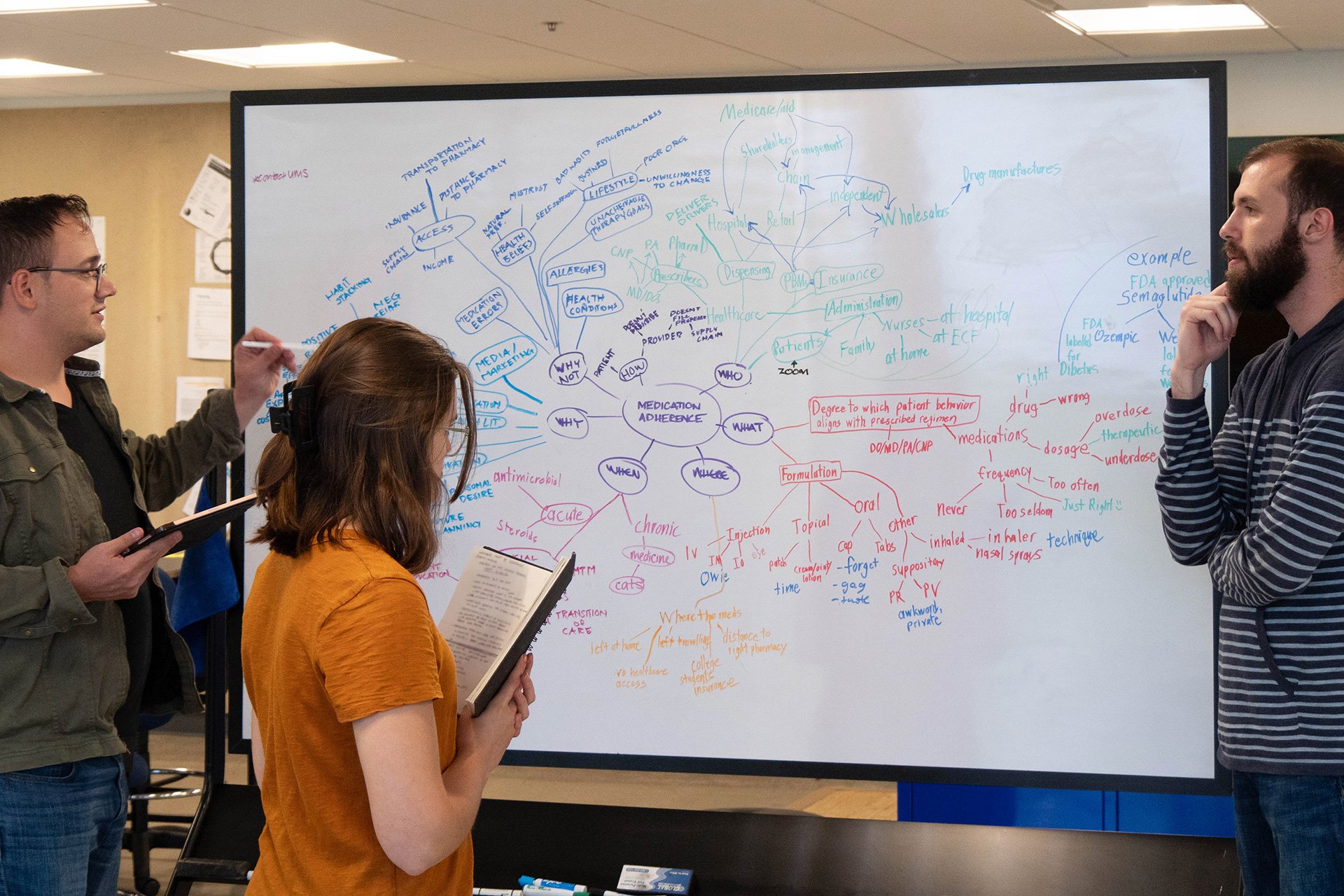
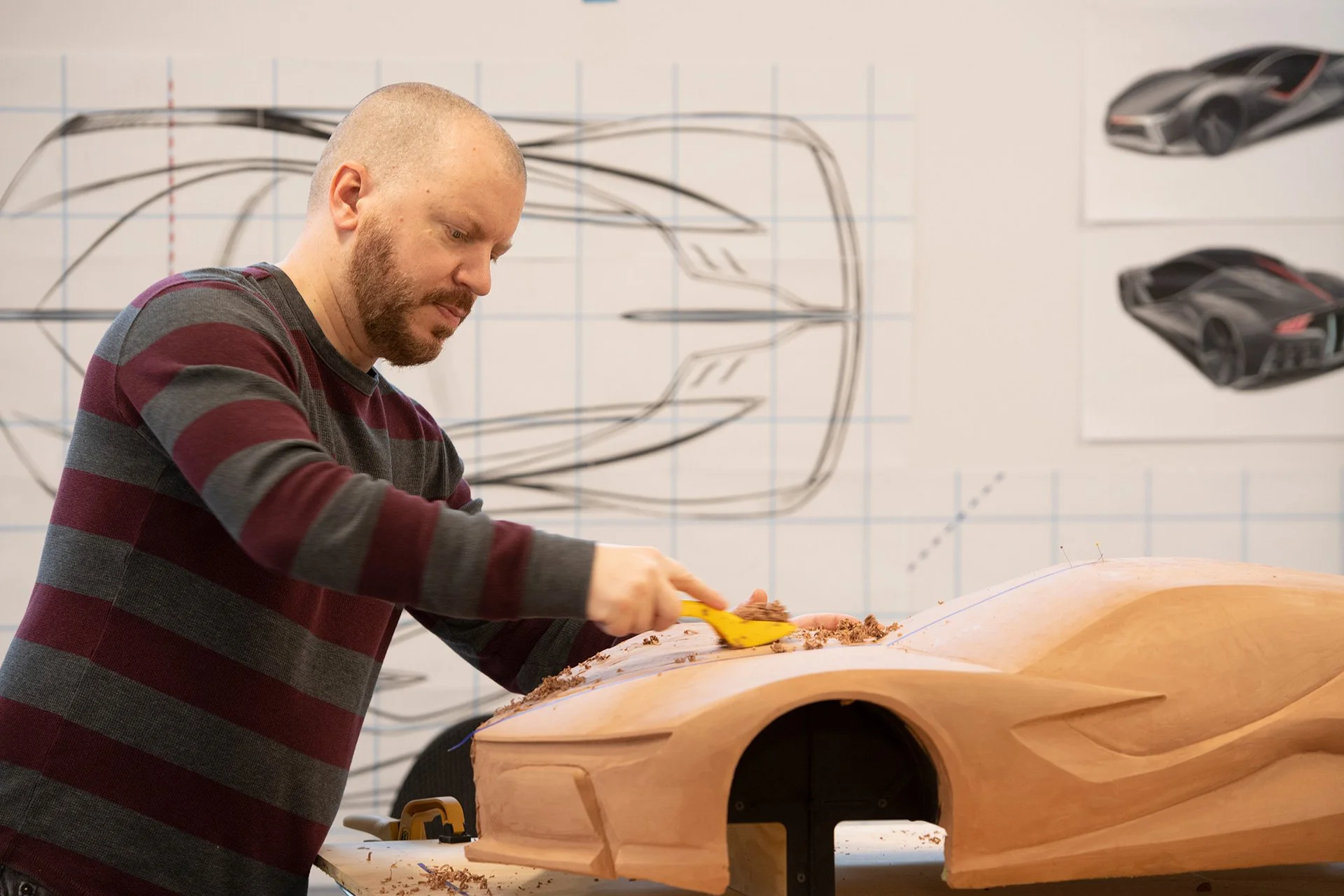
Students in the Industrial and Innovative Design program enjoy the best of both worlds through a unique four-year college experience. The first two years are spent on Cedarville University's campus in Cedarville, Ohio, building a strong academic foundation while enjoying traditional college life and a vibrant campus community. The final two years take place at the ICC Innovation Campus in Dublin, Ohio, where students immerse themselves in a collaborative, studio-based learning environment focused on creativity, innovation, and real-world design challenges.
Together, these two distinct experiences offer an exceptional blend of campus life, meaningful relationships, hands-on learning, and professional preparation.

Discover Where Our Graduates Are Making an Impact
From innovative startups to leading companies across a wide range of industries, ICC graduates are putting their creativity and design skills to work. Connect with our students and alumni on LinkedIn to explore their career journeys, discover the exciting places they're working, and see how they're impacting the world.
Simply search for “International Center for Creativity” on LinkedIn or visit our company page to connect with our community and discover where an ICC education can take you.
Explore the International Center for Creativity on LinkedIn →
What kinds of places could you design?
Retail and branded-space design extends far beyond the traditional store.
Designers may create flagship stores • boutiques • shopping environments • pop-up stores • showrooms • automotive dealerships • restaurants • cafés • corporate experience centers • product demonstration spaces • bank branches • salons • sports and entertainment retail • trade-show environments • branded exhibits • airport retail • university stores • visitor centers • customer experience centers • shop-in-shop environments and interactive brand experiences.
Think about an Apple Store, a Nike flagship, an automotive showroom or an immersive brand pop-up.
The building is only part of the experience.
The designer must consider the products, fixtures, displays, graphics, lighting, technology, circulation, materials, customer interactions and brand story as an integrated whole.
Retail and branded-space designers may work for architecture and interior-design firms, retail-design consultancies, experiential-design studios, corporations, consumer brands, manufacturers, branding agencies, fixture companies and design-build firms.
Some eventually establish their own design consultancies or creative businesses.
What Does a Retail & Branded-Space Designer Actually Do?
Imagine a footwear company asks your team to design its next store.
The project doesn't begin by selecting flooring.
It begins with questions.
Who is the customer?
What does this brand stand for?
What should someone feel when they enter?
What should they see first?
How should they discover products?
Where should they stop, touch, try, interact and purchase?
How can the physical environment tell the same story as the company's products, packaging, website and advertising?
The designer might study customer behavior, sketch dozens of ideas, develop floor plans, design product displays and fixtures, create digital models, select materials, visualize lighting, integrate graphics and technology, build prototypes and ultimately present the concept to a client.
They're designing the customer experience—not simply the store.
The Designer's Toolkit
Retail and branded-space designers need an unusually broad range of capabilities.
Hard skills may include rapid sketching and ideation, perspective drawing, space planning, customer-journey mapping, 2D and 3D CAD, Revit/BIM, digital modeling, rendering and visualization, materials and finishes, fixture and furniture design, lighting concepts, signage and wayfinding, graphic integration, prototyping, modelmaking, brand strategy and presentation development.
Depending upon the role, designers may work with Revit, AutoCAD, SketchUp, SolidWorks, Adobe Creative Cloud, digital drawing applications, visualization/rendering software, VR/AR tools and increasingly AI-enabled creative platforms.
But technical proficiency alone doesn't create memorable retail experiences.
Designers also need curiosity, empathy, observation, communication, collaboration, storytelling, creative problem-solving, presentation skills, business awareness, adaptability and an ability to accept critique and improve an idea.
And they need something especially important in retail:
An understanding of people.
Why do people pick something up?
Why do they walk past something else?
What makes them stay?
What creates trust?
What makes an experience memorable?
Great designers don't simply design attractive environments.
They design environments around human behavior.
How Is AI Changing Retail and Branded-Space Design?
AI is rapidly becoming another tool in the creative process.
A designer can use AI to accelerate research, investigate consumer trends, explore visual directions, create early concept imagery, compare alternative environments, generate mood studies and communicate possibilities to clients.
Generative and computational tools can also help designers explore multiple solutions based upon goals and constraints instead of immediately settling on a single concept.
But retail also illustrates why AI isn't a replacement for designers.
AI can generate an image of a beautiful shoe store.
It doesn't automatically understand why that store should exist, who its customer is, what makes the brand distinctive, how someone should navigate the space, whether a fixture can actually be manufactured, or whether the experience will help accomplish the client's business objectives.
AI generates possibilities. Designers create meaning.
Tomorrow's successful designers will know how to combine AI speed with human insight, aesthetic judgement and creative problem-solving.
Why ICC + Cedarville?
Because a brand experience doesn't fit neatly into one design discipline.
A retail environment isn't simply architecture.
It isn't simply interior design.
And it isn't simply marketing.
It's an interconnected system of:
People + Space + Products + Fixtures + Graphics + Lighting + Technology + Movement + Brand + Business + Experience
That's precisely why Industrial & Innovative Design provides such a powerful foundation.
ICC students study multiple dimensions of design—including consumer products and interior and exterior architectural spaces—while developing skills in visualization, design thinking, consumer insights, prototyping, innovation, entrepreneurship, storytelling and professional presentation.
ICC's professional identity specifically includes industrial design, interior and exterior space design, architectural space design, prototyping and rendering.
That breadth matters.
A retail designer may need to understand the space and the display fixture inside it.
The brand and the product carrying its name.
The customer journey and the physical objects customers' touch.
The visual experience and the business objective behind it.
Industrial designers are trained to see those relationships.
ICC Students Are Already Studying Retail Experience Design
This isn't simply a potential future direction for the program.
ICC is already providing specialized education in it.
Current students' professional credentials document an ICC course/badge specifically titled Brand Strategy & UX for Retail Space Design.
That's an important distinction.
The program isn't teaching students only how to draw an attractive store.
It's connecting brand strategy + user experience + physical space.
ICC also reports that its graduates are working in roles including interior space designer and environmental branding designer—directly connecting the curriculum with careers in the spaces where people live, work, shop and play.
The Best of Two Worlds
The partnership between the International Center for Creativity and Cedarville University creates an educational experience that's difficult to duplicate.
Students begin their college experience at Cedarville University, enjoying the energy and community of a traditional residential Christian university—residence life, friendships, athletics, student organizations, chapel, campus activities, academics and community.
Then, during their junior and senior years, Industrial & Innovative Design students transition to ICC's professional studios in Dublin, Ohio, within the greater Columbus design and business community.
ICC describes the model as giving students “the best of two worlds”: the first two years on Cedarville's main campus followed by two years immersed in their major in ICC's professional studio environment.
A vibrant, Christ-centered university experience + an immersive, career-intensive professional design education.
Students don't have to choose between a traditional college experience and specialized professional preparation.
They get both.
National Recognition. Professional Preparation.
Cedarville University has developed a national reputation for combining rigorous academics, Christian community and career preparation.
In 2026, Education Insider named Cedarville the Top Christian University, citing biblical integration, academic excellence and strong career outcomes. Among Cedarville's class of 2025, 98.3% were employed or enrolled in graduate school within six months of graduation.
The Industrial & Innovative Design program has earned national recognition of its own, including a No. 5 national ranking by College Values Online for academic excellence and career-earning power.
ICC describes its partnership with Cedarville as a cutting-edge reinvention of industrial design education built around progressive, market-relevant curriculum.
And the professional connection is intentional: ICC's annual Design Recruitment Day brings local, regional and national companies directly to junior and senior students to discuss internships and full-time opportunities in industrial design and architectural space design.
Learn Design Where Design Happens
ICC's location in Dublin, Ohio, within the greater Columbus metropolitan area, is especially relevant to retail and branded-space design.
Columbus is a major center for retail, consumer brands, restaurants, design, fashion, architecture, manufacturing and entrepreneurship.
ICC specifically cites its Columbus location as giving students access to professionals, internships, guest lectures, site visits, design competitions, creative events, job opportunities and professional experiences.
And students study in Dublin, one of the Columbus area's highest-rated communities. Niche's current 2026 rankings place Dublin No. 6 among the Best Places to Live in the Columbus Area.
For a student preparing to design spaces for real businesses and brands, that's significant.
The upper-level college experience increasingly becomes an introduction to professional life.
Real Projects. Real Deadlines. Real Professional Expectations.
ICC students don't build portfolios entirely from hypothetical exercises.
ICC says its students and staff work on real-world projects, some sponsored by industry partners, while classroom projects are intentionally structured to replicate professional assignments. Projects include design briefs, real deadlines, professional deliverables and presentations.
That matters enormously in retail design.
Professional designers must learn to balance:
Creativity with budgets.
Brand vision with practical constraints.
Customer experience with business objectives.
Beautiful ideas with things that can actually be manufactured and built.
Those are professional skills best learned by doing.
Industry Professionals Help Prepare ICC Students
ICC's connection to active industry professionals strengthens that preparation.
One especially relevant example is John Losco, whose professional background includes managing engineering for custom retail environments while also being connected with ICC/Cedarville. His professional profile describes work designing commercial retail environments—exactly the kind of expertise that connects classroom learning with industry practice.
ICC has also added professionals such as a design lead from Chick-fil-A to its teaching team, bringing current corporate design experience involving products, packaging, processes and customer experience directly into students' education.
That is a meaningful difference between learning about design and learning alongside people who practice design professionally.
Could Retail & Branded-Space Design Be Your Career?
Maybe you're the student who walks into a Nike store and notices the environment before the shoes.
Maybe you wonder why one coffee shop feels inviting while another doesn't.
Maybe you love brands, but you're equally fascinated by architecture and products.
Maybe you're interested in graphic design, but you want to create something people can walk into rather than simply look at.
Maybe you love creativity but are also intrigued by business, marketing, psychology and technology.
Maybe you've never realized there was a career combining all those interests.
There is.
At Cedarville University and the International Center for Creativity, you'll develop traditional design fundamentals while learning human-centered problem-solving, visualization, brand strategy, hands-on making, digital technology, professional collaboration and emerging tools such as AI.
You'll begin with the community and energy of a vibrant Christian university.
Then you'll add an immersive professional design environment where the emphasis increasingly becomes your skills, your portfolio and your career.