
Home >> Industrial & Innovative Design >> Interior Architectural Space Design >> Career Path: Residential Architectural Space Design
Design the Places People Call Home
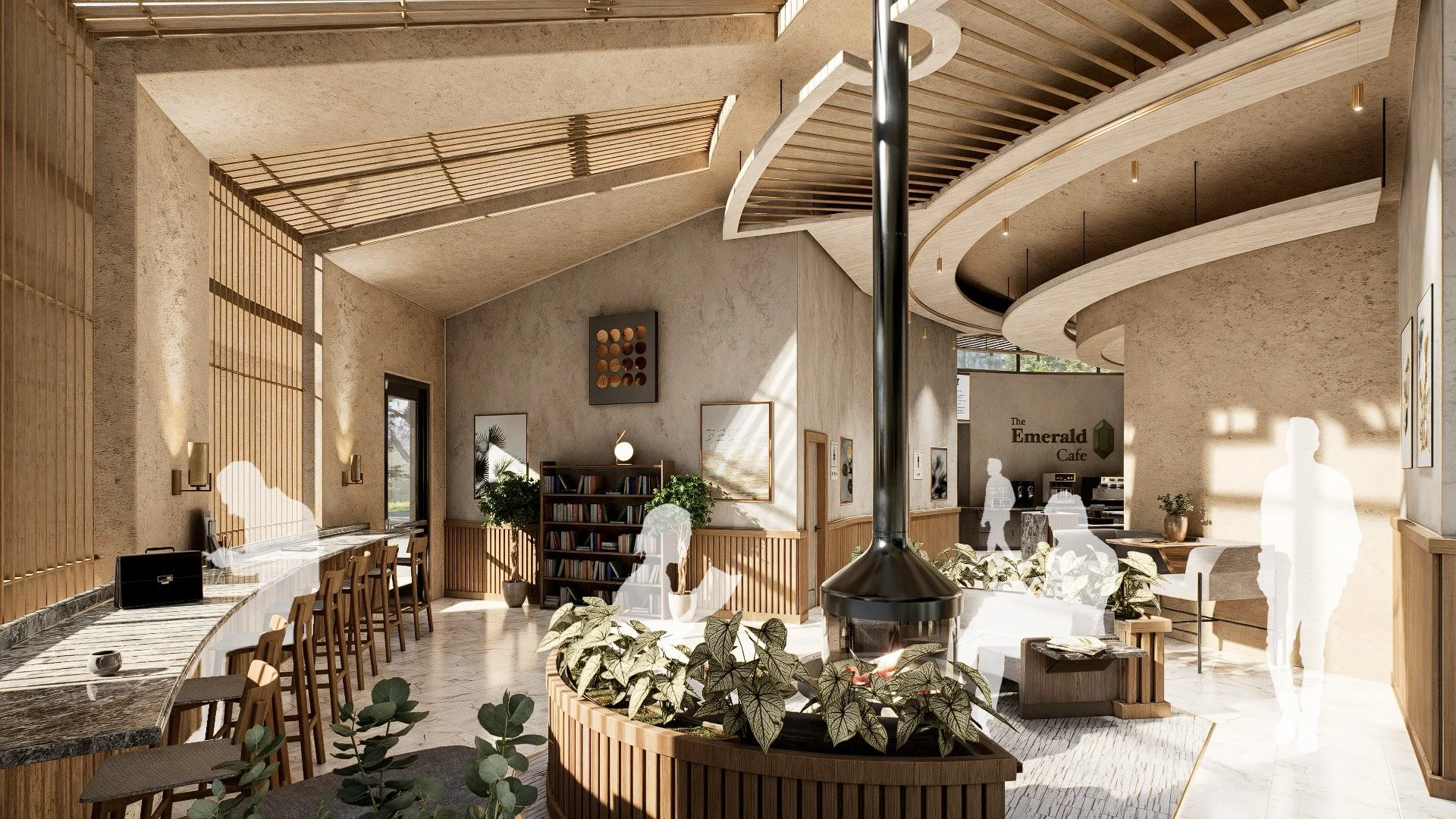
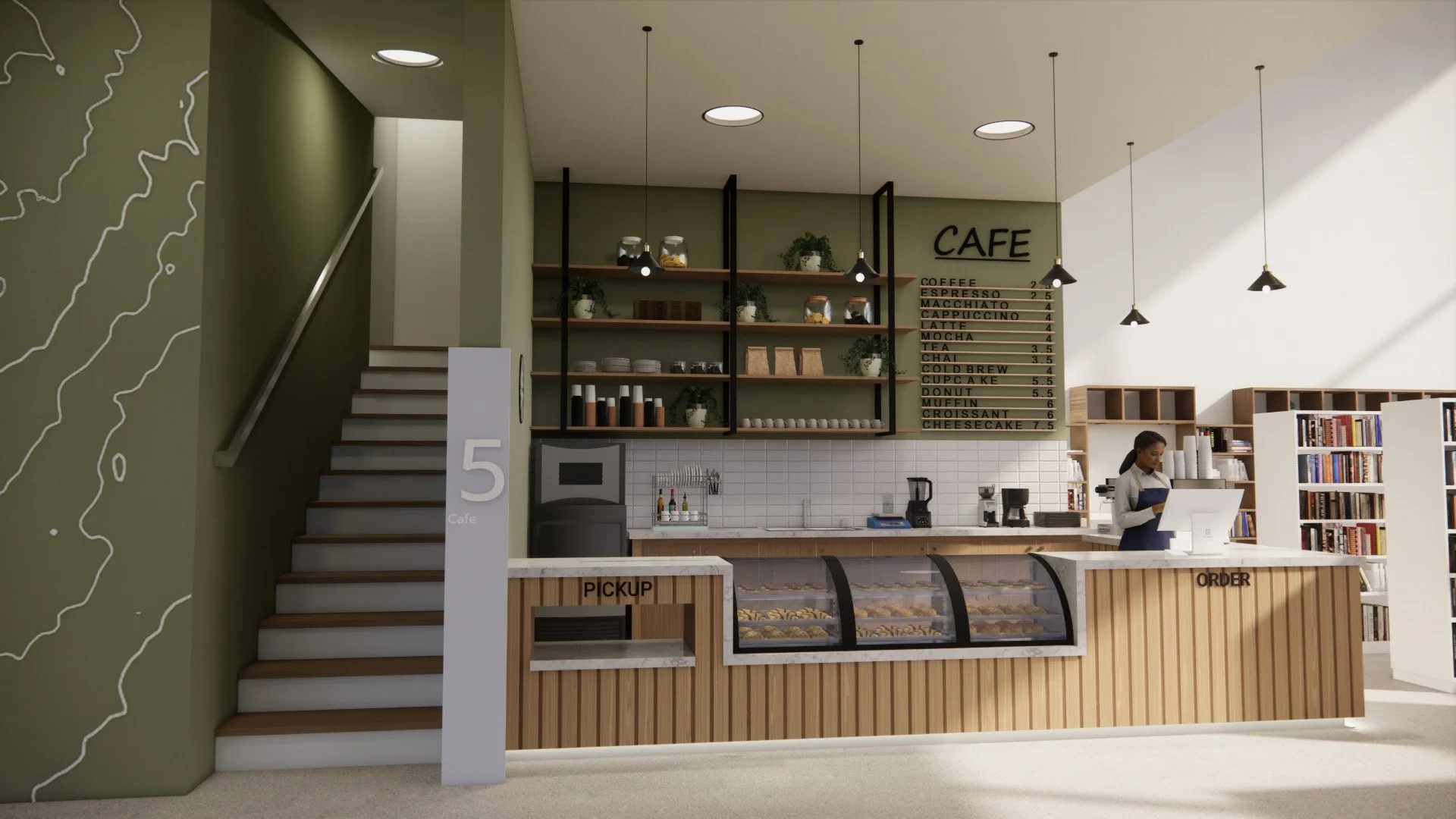
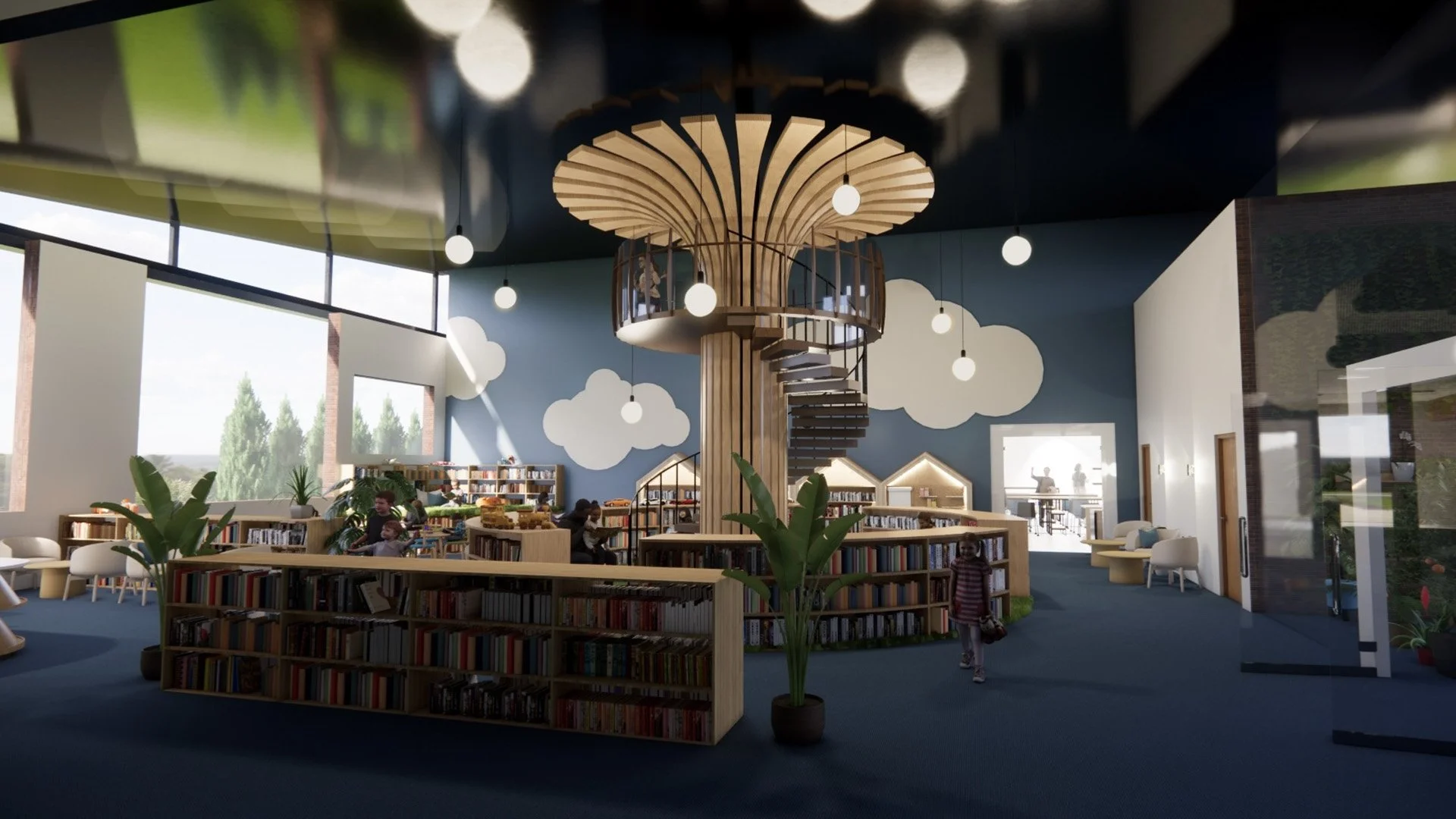
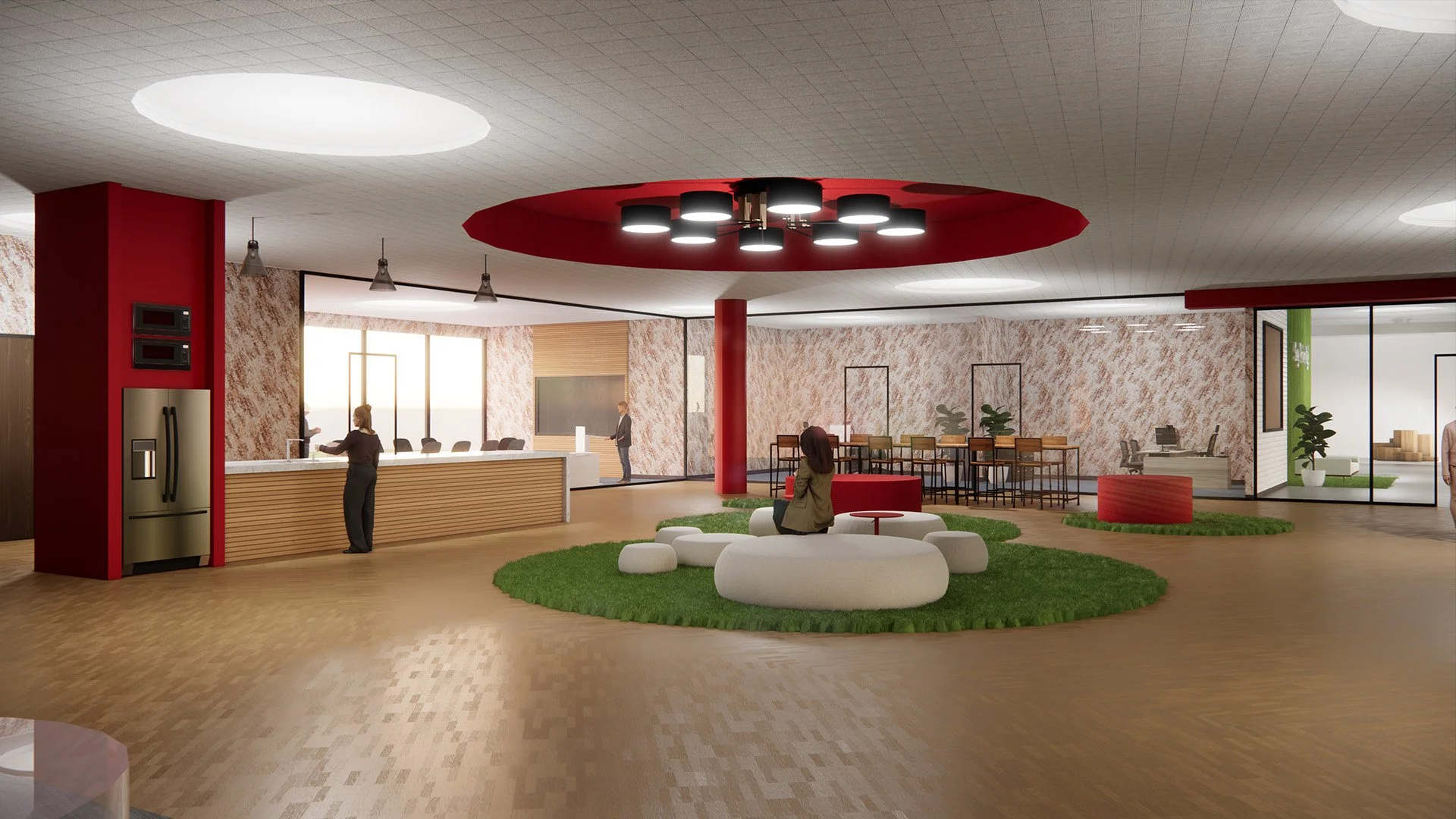
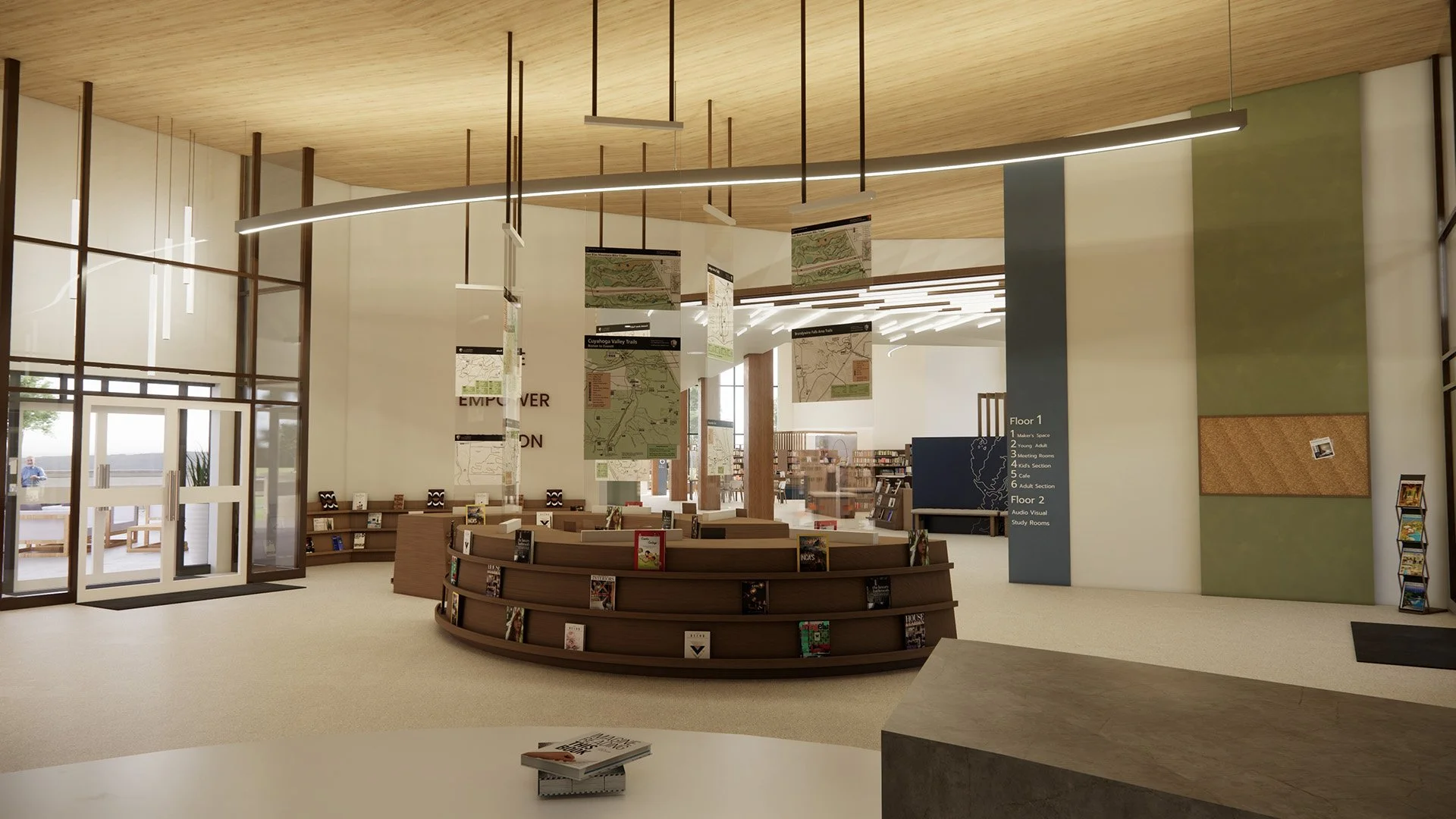
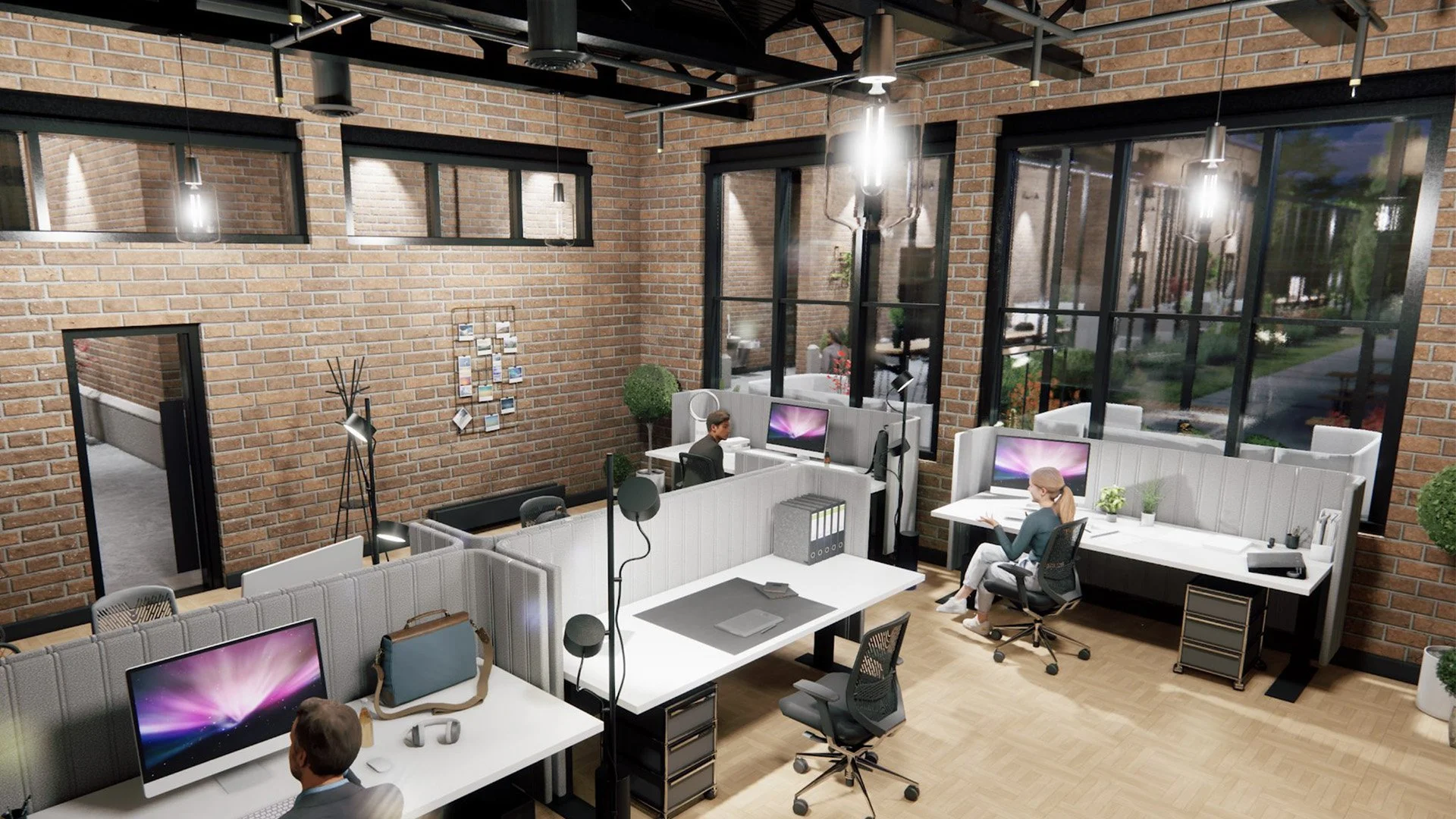
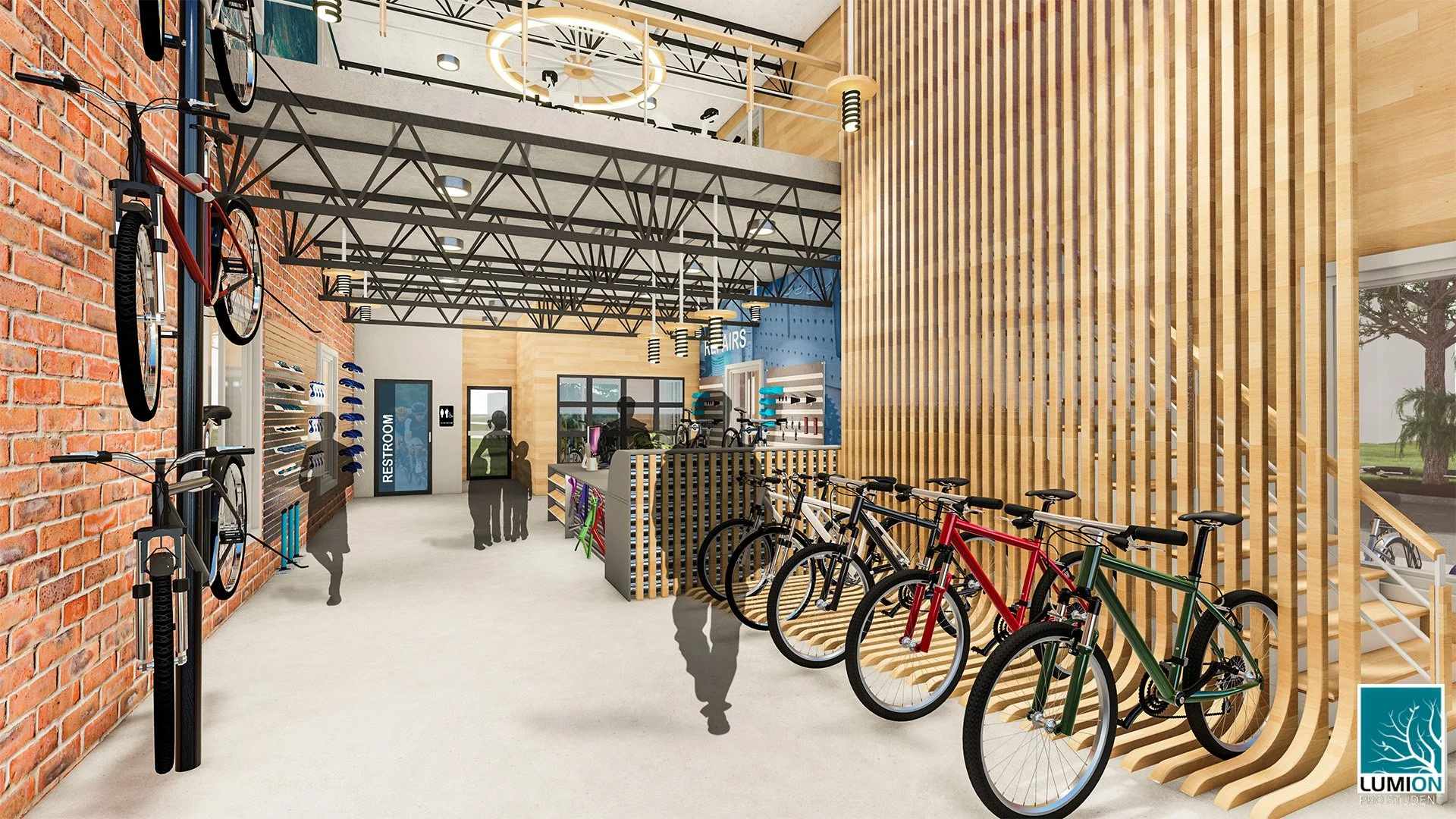
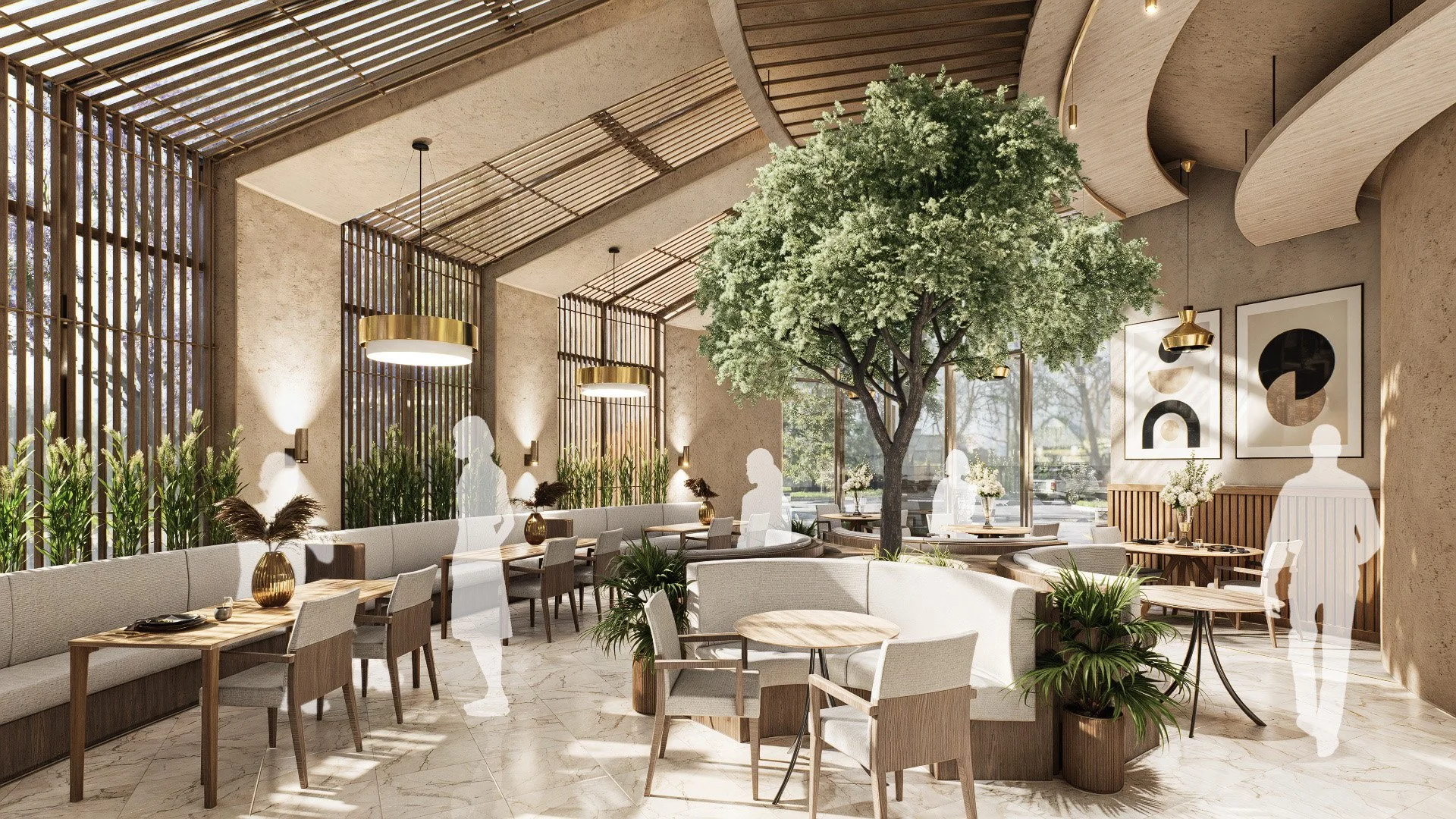
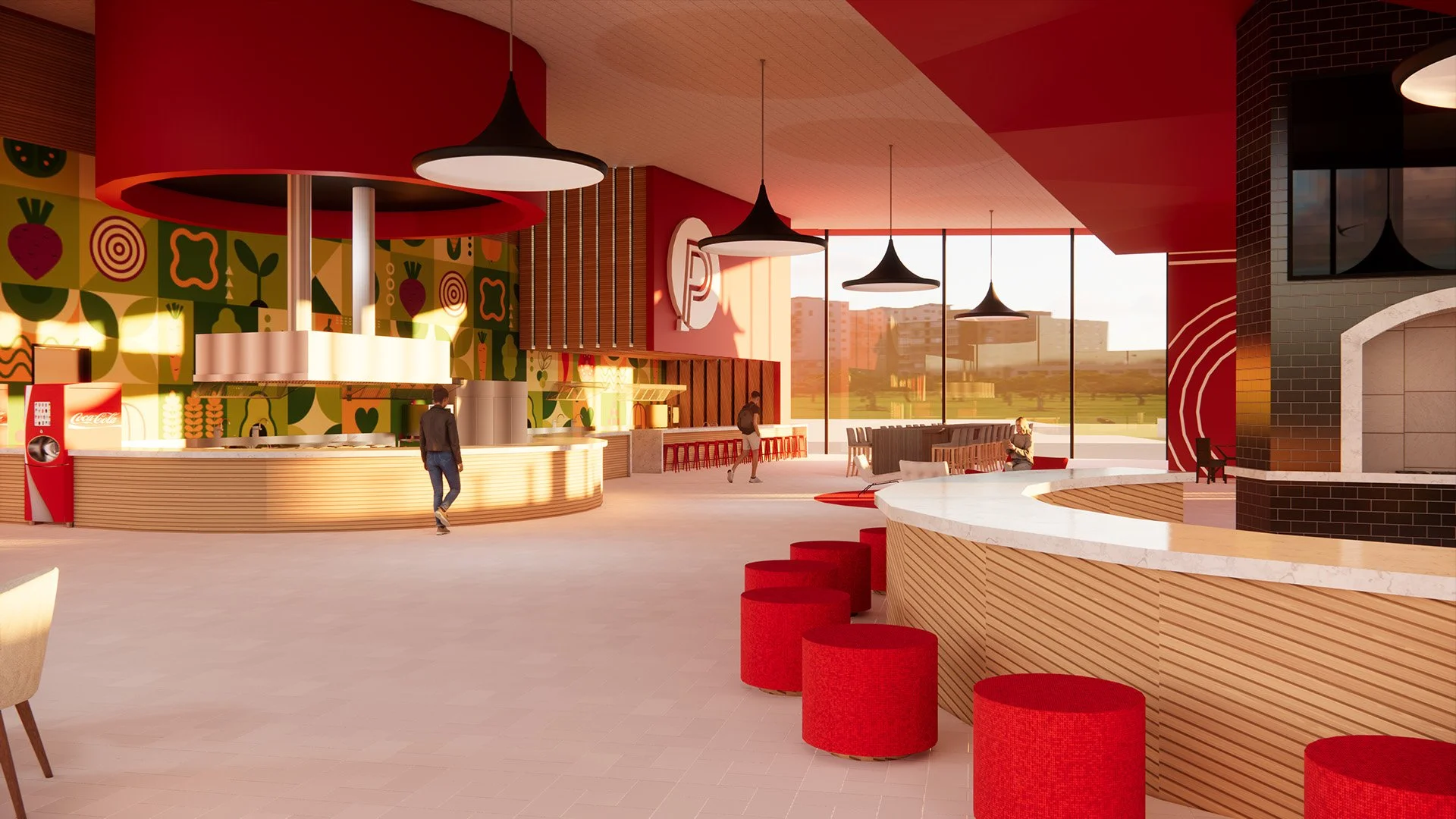
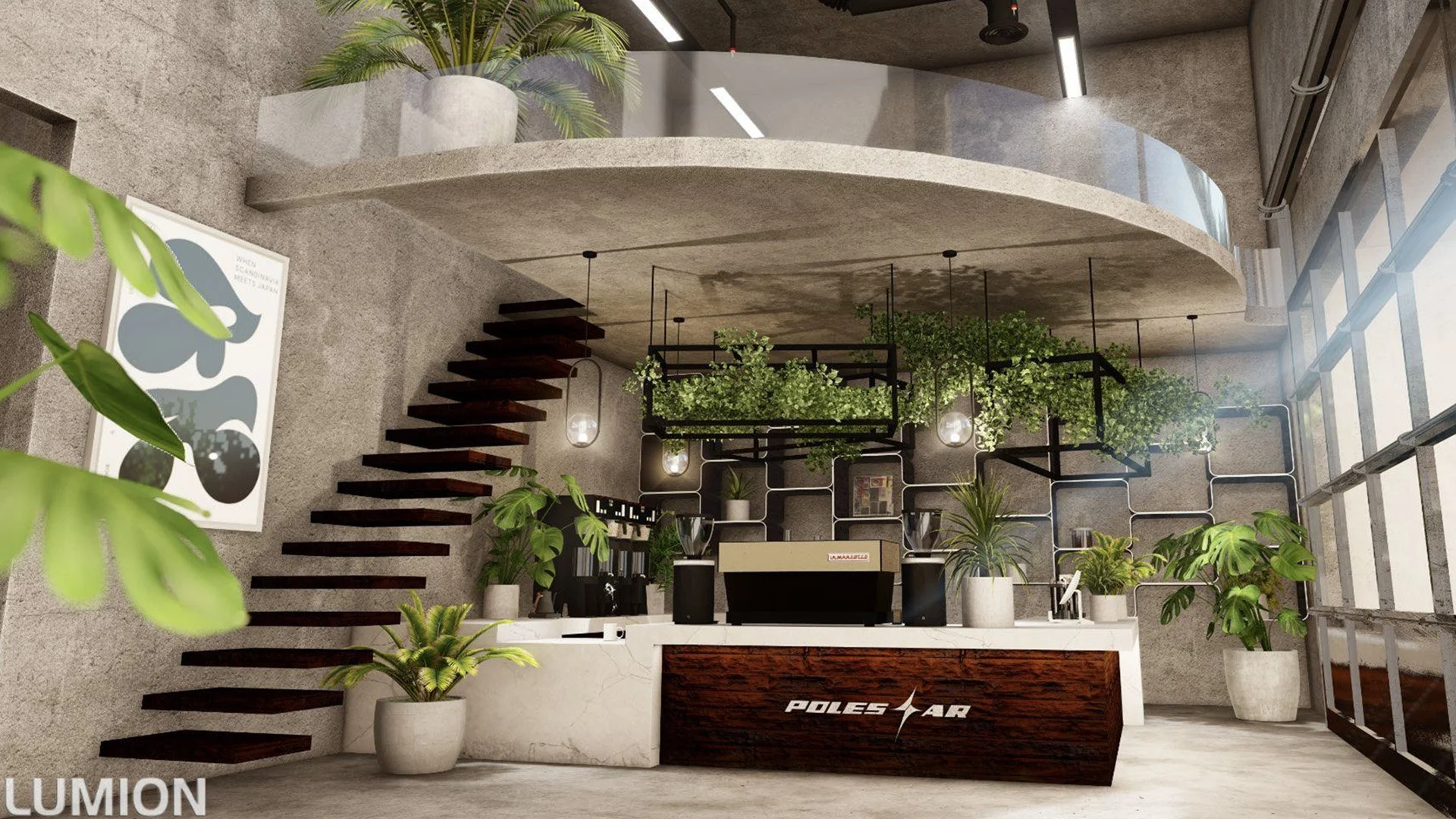
RESIDENTIAL ARCHITECTURAL SPACE DESIGN
What if you could turn your creativity into the places where people live their lives?
A home is much more than walls, floors and a roof.
It's where people gather. Where families grow. Where meals are shared. Where people work, rest, entertain and create memories.
Residential architectural space designers help shape those experiences.
They combine creativity, problem-solving, human-centered design and technology to imagine how residential spaces should look, feel, function and flow.
They may rethink the layout of an existing home, create concepts for a kitchen or living space, help transform an unfinished basement into a family gathering area, develop ideas for an addition or renovation, select materials and finishes, design custom fixtures or cabinetry, visualize indoor-outdoor living environments, or work alongside architects and builders developing an entirely new home.
It's a career where art, design, technology and people come together.
An Industrial and Innovative Design degree from Cedarville University, in partnership with the International Center for Creativity (ICC), prepares you for a career in Residential Architectural Space Design.
Student Project Gallery
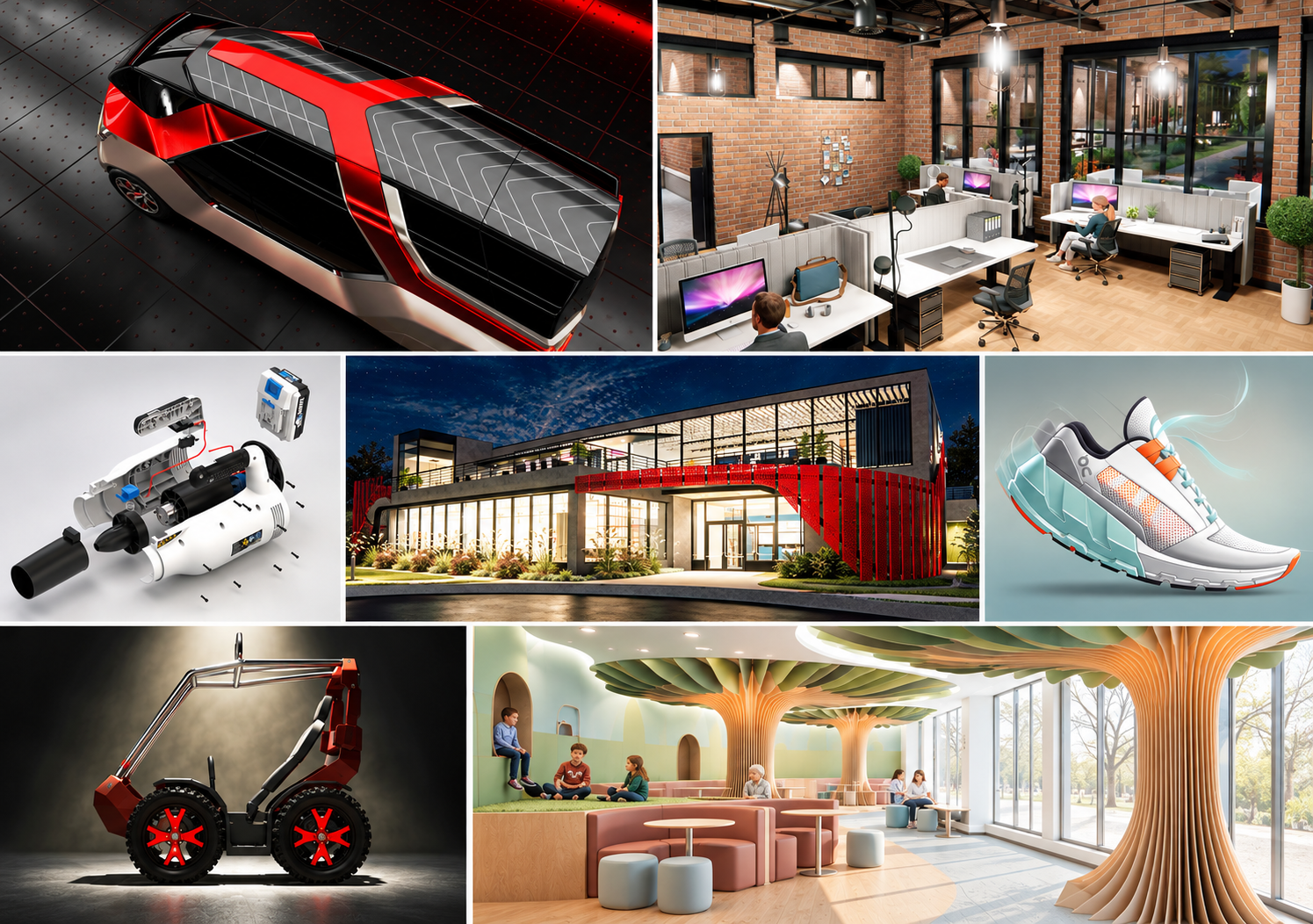
Throughout the academic year and during summer internships, students and staff at the International Center for Creativity (ICC) engage in hands-on design projects that bridge the gap between classroom learning and professional practice. Some projects are sponsored by industry partners, while others are carefully developed classroom experiences designed to replicate the challenges and expectations of the professional design world.
Each project follows a structured design process, beginning with a design brief and progressing through research, ideation, concept development, prototyping, and final presentation. With real deadlines, defined deliverables, and professional expectations, these experiences closely mirror the day-to-day responsibilities of an industrial designer—preparing students with the technical skills, creative problem-solving abilities, and professional confidence needed to succeed in their careers.
Explore Student Projects to discover not only the final design solutions, but also the creative thinking, exploration, and iterative process that brought them to life.
Senior Capstone Spotlight
Senior students in the Industrial and Innovative Design major bring together their acquired skills, creativity, and problem-solving abilities through a semester-long capstone project. These projects challenge students to explore a diverse range of design opportunities, applying research, human-centered design principles, and innovative thinking to develop thoughtful solutions to real-world challenges.
The video above spotlights Ethan Frizzell’s senior capstone project, Designing a Modern Homestead. His project emphasizes that your dwelling place is more than just a roof over your head. It is an expression of your values and how you wish to live. The goal of this project to design a custom homestead that encourages physical activity, good metal health, and natural living.
ICC Grad Talk
Where are they now? Catch up with ICC graduates and discover where their creativity has taken them. These videos highlight their careers, accomplishments, and experiences since graduation—and offer a glimpse into the many paths an ICC education can inspire.
In this interview, Alyssa (Vandegrift) Hawkins shares insights from her work as the director of graphics at Hub+Weber Architects. She discusses best practices for rendering composition, the software tools she uses in her workflow, and several recent architectural projects she has contributed to. Alyssa also offers practical advice and encouragement for current students preparing to enter the architectural design industry.
Two Campuses. One Exceptional Student Experience.

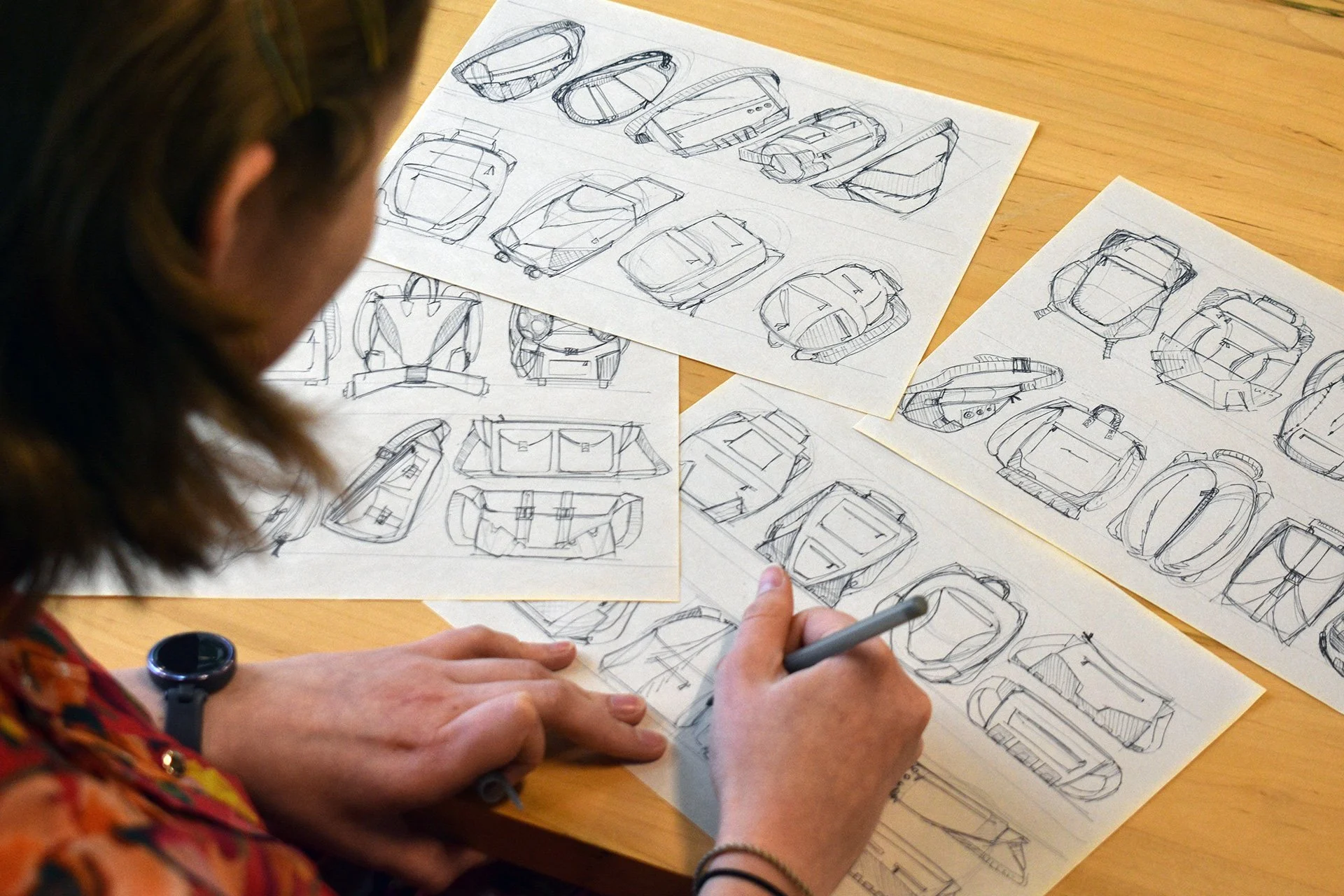
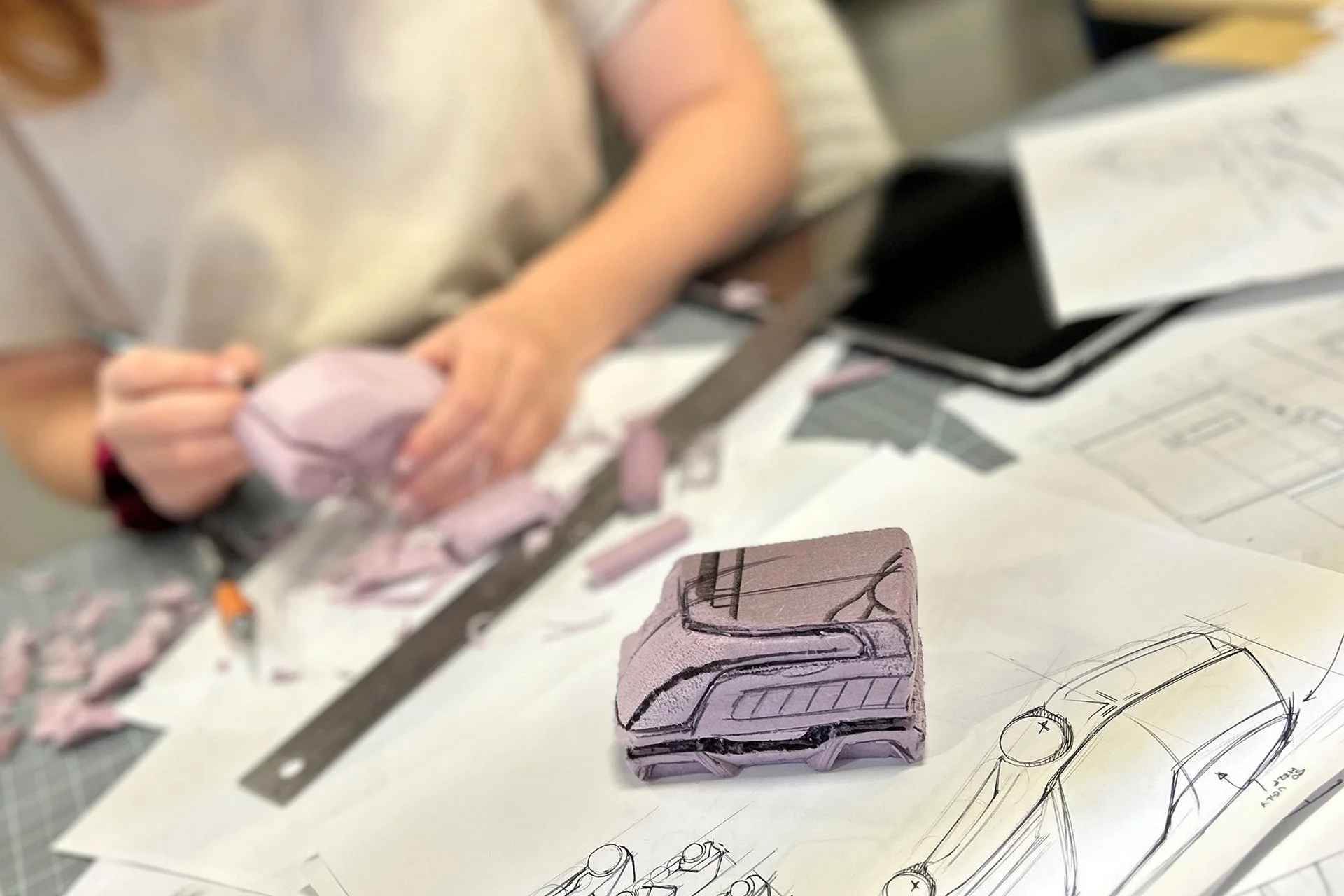
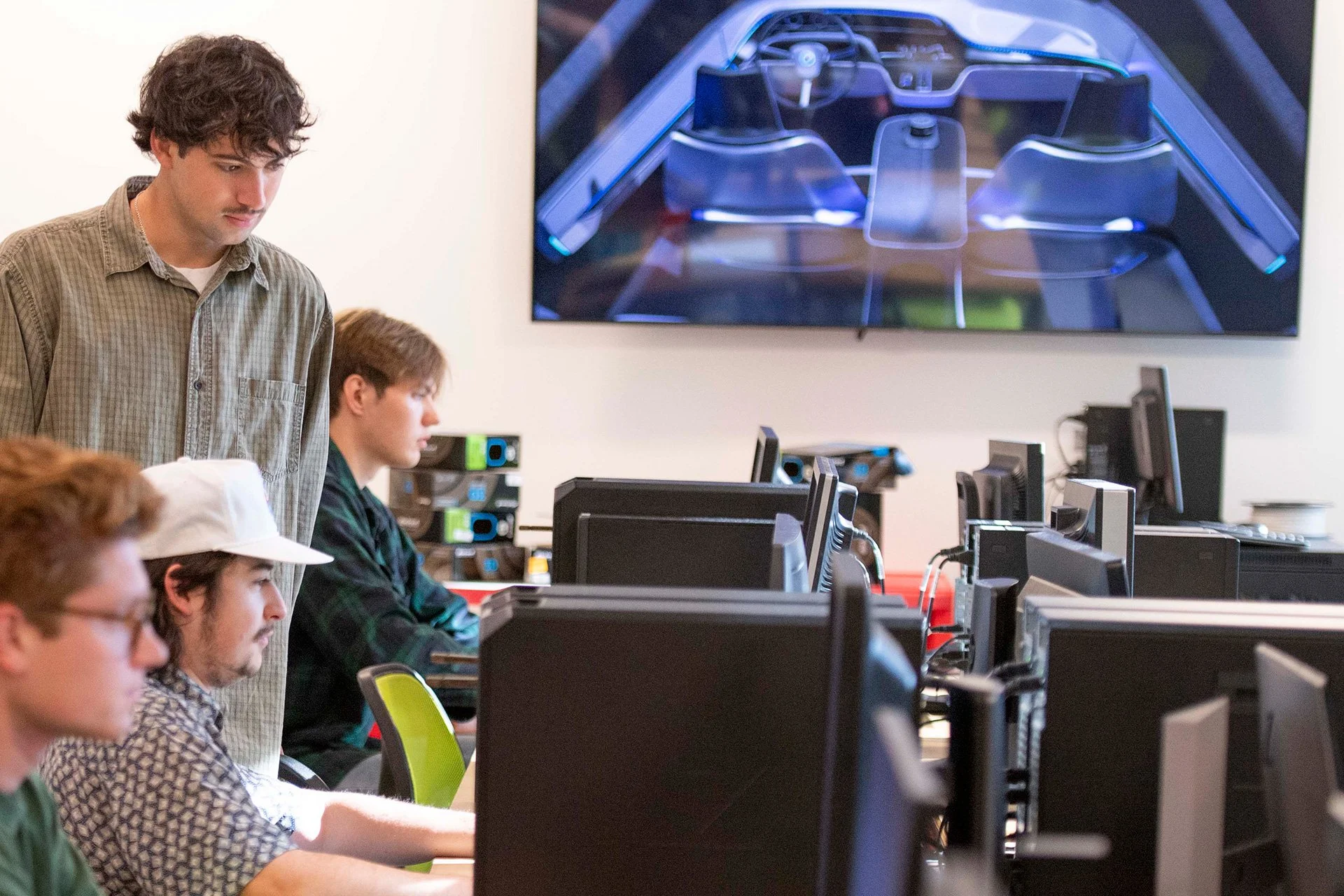
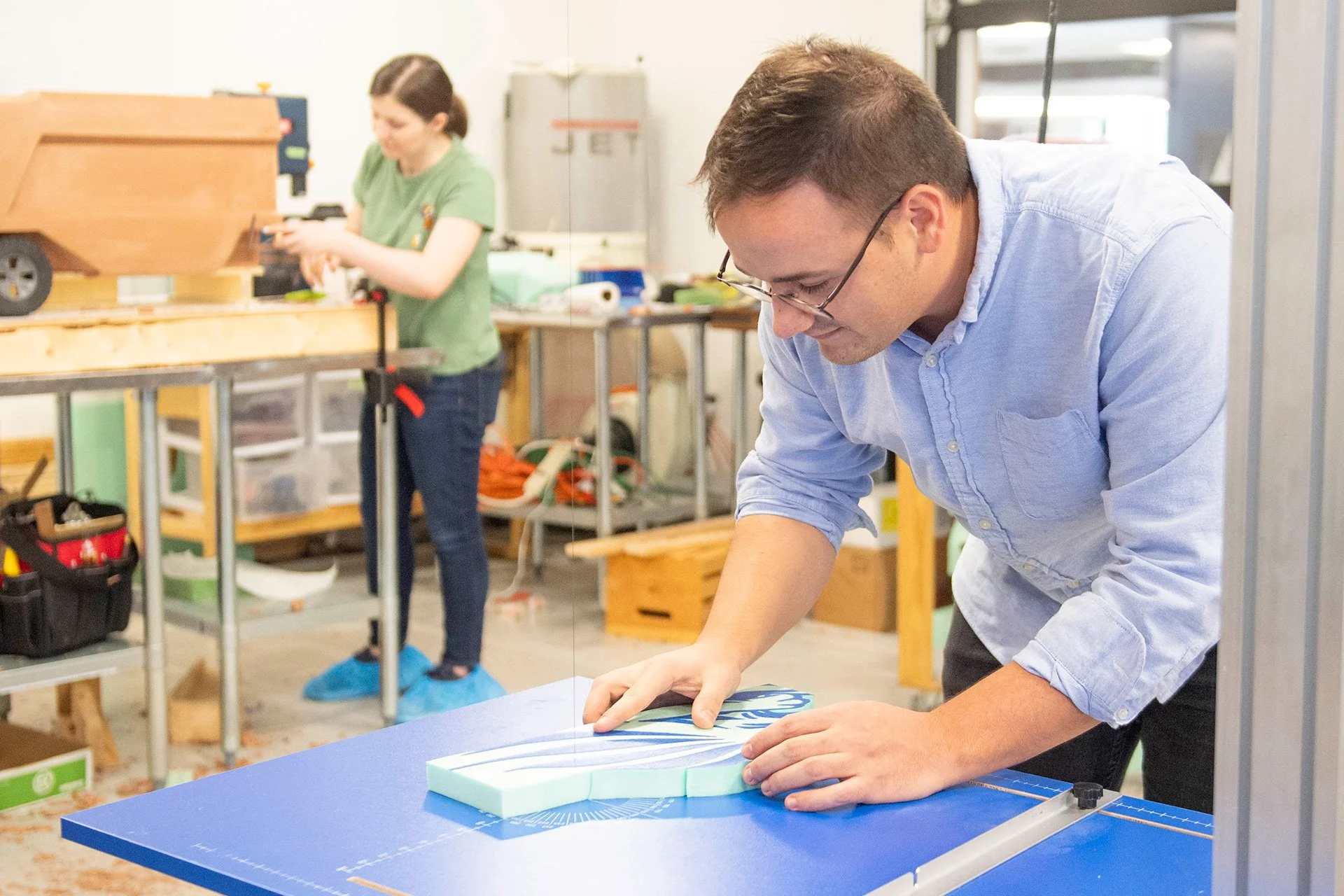
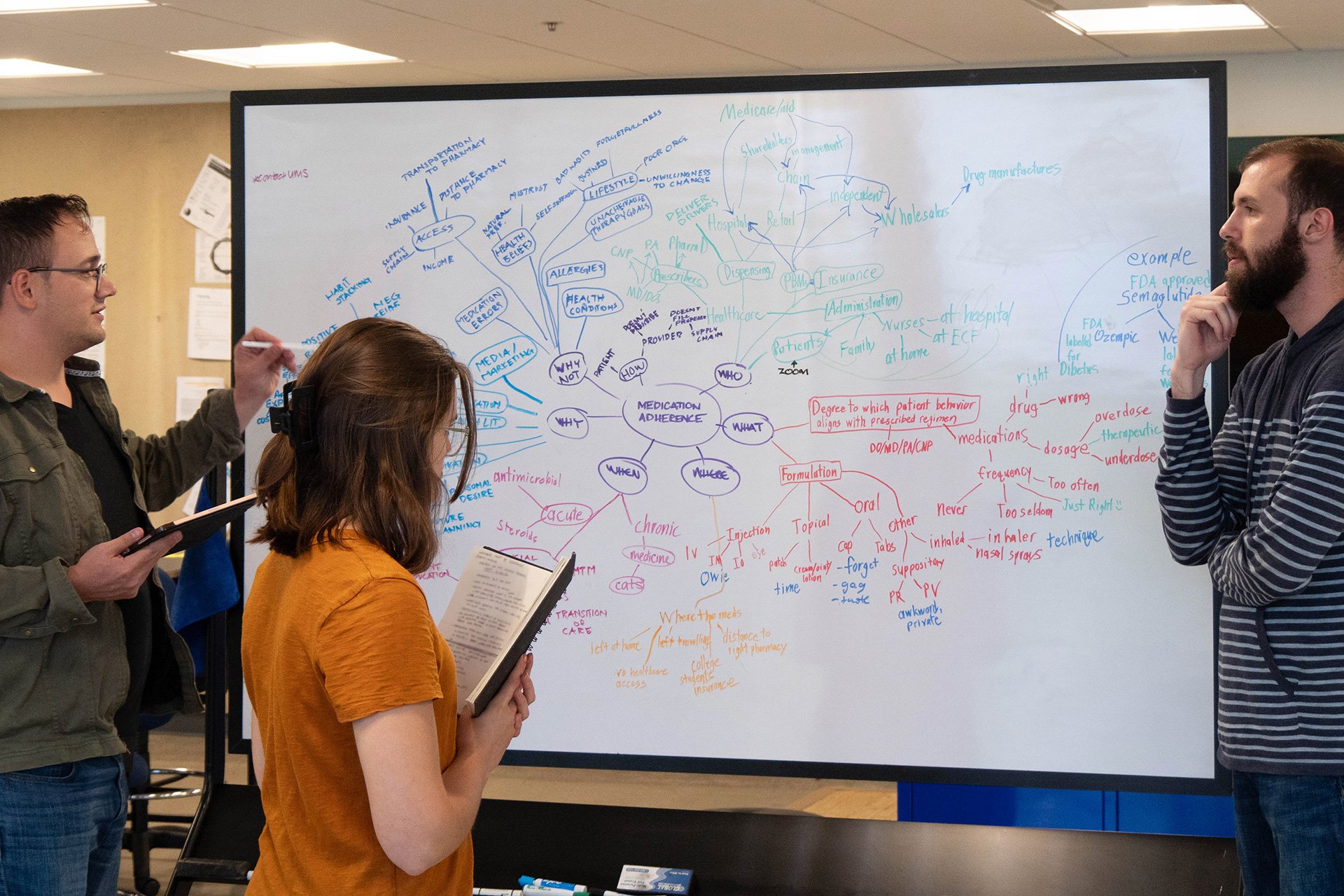
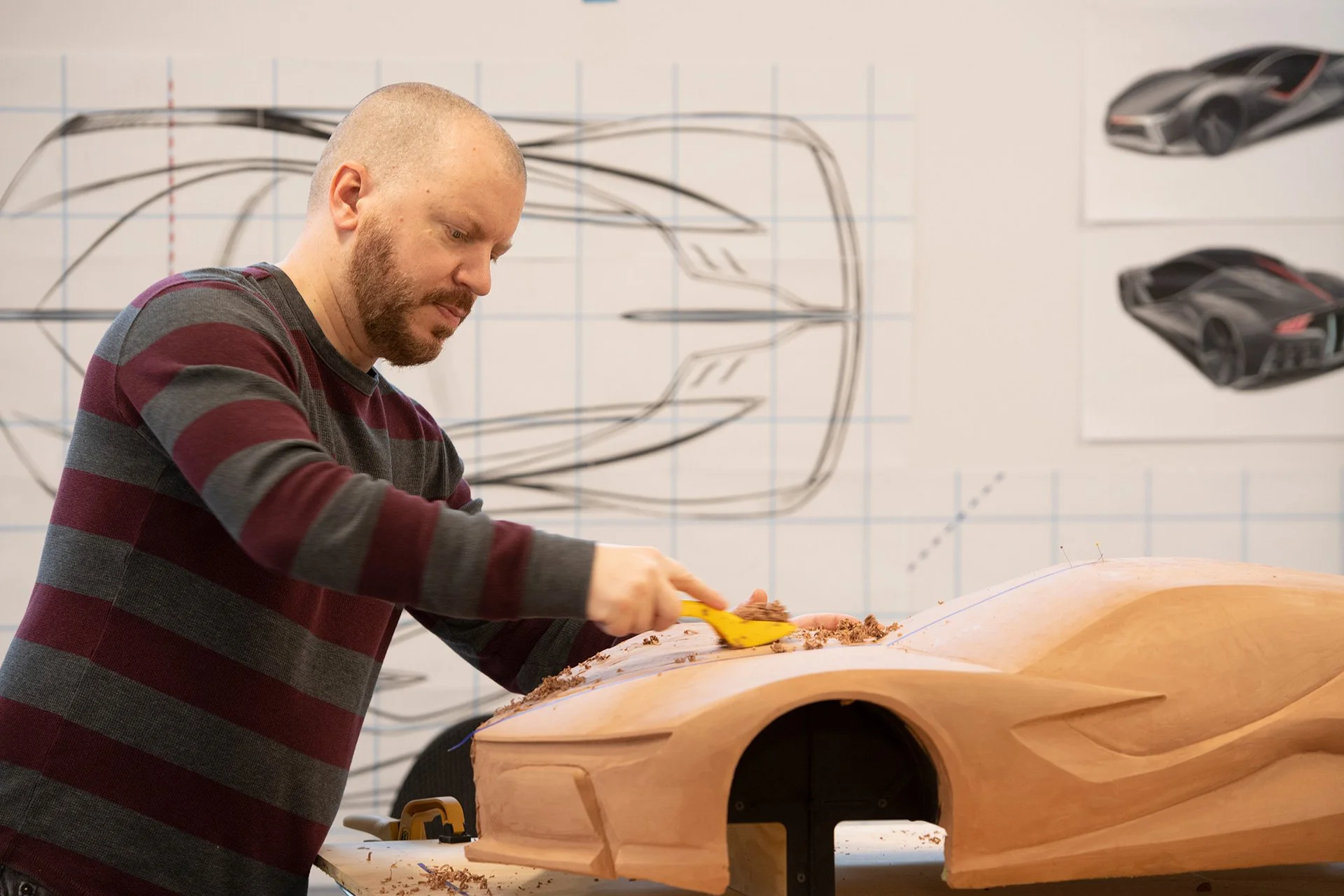
Students in the Industrial and Innovative Design program enjoy the best of both worlds through a unique four-year college experience. The first two years are spent on Cedarville University's campus in Cedarville, Ohio, building a strong academic foundation while enjoying traditional college life and a vibrant campus community. The final two years take place at the ICC Innovation Campus in Dublin, Ohio, where students immerse themselves in a collaborative, studio-based learning environment focused on creativity, innovation, and real-world design challenges.
Together, these two distinct experiences offer an exceptional blend of campus life, meaningful relationships, hands-on learning, and professional preparation.

Discover Where Our Graduates Are Making an Impact
From innovative startups to leading companies across a wide range of industries, ICC graduates are putting their creativity and design skills to work. Connect with our students and alumni on LinkedIn to explore their career journeys, discover the exciting places they're working, and see how they're impacting the world.
Simply search for “International Center for Creativity” on LinkedIn or visit our company page to connect with our community and discover where an ICC education can take you.
Explore the International Center for Creativity on LinkedIn →
What kinds of spaces could you design?
Residential space design can encompass virtually every environment associated with the home:
Single-family homes • apartments and condominiums • townhomes • kitchens • bathrooms • home offices • bedrooms • family and living rooms • basements • additions • renovations • patios and outdoor living areas • porches and sunrooms • garages and hobby spaces • accessory dwelling units • senior-living environments • vacation homes • custom homes
Residential designers may work for architectural and interior-design firms, custom homebuilders, residential developers, kitchen and bath companies, renovation firms, furniture and cabinetry companies, visualization studios, design-build companies or home-products manufacturers.
Some eventually establish their own residential design businesses.
That breadth makes residential space design particularly interesting for students who love architecture but are equally fascinated by interiors, furniture, products, materials and how people actually use a space.
What does a residential space designer actually do?
The work can begin long before anyone chooses paint colors or furniture.
A designer might meet with a family and discover that their kitchen looks attractive but doesn't work well when everyone is preparing dinner. Another client might need to accommodate aging parents. Someone else may want to transform a traditional home into an open, contemporary environment without losing its character.
Designers ask questions such as:
Who will use this space?
How will they move through it?
What isn't working today?
What should this environment feel like?
How can we make better use of the available space?
Then ideas become sketches.
Sketches become plans.
Plans become three-dimensional models and visualizations.
And eventually those ideas can become real environments where people live.
The residential designer's toolkit
Successful residential space designers combine creative abilities with increasingly sophisticated technical skills.
Their hard skills can include rapid sketching, perspective drawing, space planning, floor-plan development, 2D and 3D CAD, Revit and BIM, digital modeling, rendering and visualization, materials and finishes, furniture and fixture selection, lighting concepts, color, basic construction knowledge, cabinetry and millwork concepts, modelmaking and presentation development.
They may work with tools such as Revit, AutoCAD, SketchUp, Adobe Creative Cloud, rendering and visualization platforms, digital drawing tools, VR/AR visualization and increasingly AI-assisted design applications.
But software doesn't make someone a great designer.
Residential design is intensely personal. Designers need to understand the people who will actually inhabit the environment.
That requires soft skills such as empathy, listening, curiosity, creative problem-solving, communication, collaboration, storytelling, organization, presentation skills, adaptability and the ability to accept criticism and improve an idea.
A successful designer must be able to understand what a client is saying—and sometimes recognize needs the client hasn't yet been able to articulate.
How is AI changing residential design?
Artificial intelligence is rapidly expanding what's possible during the earliest stages of residential design.
A designer can use AI to help research ideas, explore visual directions, rapidly visualize concepts, compare alternatives and communicate possibilities to a client before committing significant time to detailed development.
Professional software is moving in the same direction. Autodesk's current Revit platform includes Generative Design, which can rapidly create alternatives based upon specified goals, constraints and inputs so designers can explore and evaluate potential solutions.
Imagine showing a homeowner several possible approaches to a kitchen renovation early in the process—or quickly exploring different relationships between a living room and outdoor entertaining area.
AI can make that exploration faster.
But AI cannot replace the most important element:
The designer's judgment.
Someone still has to understand the family.
Recognize the problem.
Ask the right questions.
Understand proportion and space.
Know whether an idea makes sense.
Exercise aesthetic judgement.
Work with architects, contractors and clients.
And ultimately decide which idea deserves to become real.
The future belongs to designers who can combine traditional design fundamentals, human understanding and emerging technology.
Why study Residential Space Design through ICC + Cedarville?
Because designing a home involves much more than designing a room.
A residential environment is really an interconnected system of:
People + Space + Products + Furniture + Lighting + Materials + Technology + Movement + Experience
That's why Industrial & Innovative Design provides such an interesting foundation for residential space design.
Industrial designers don't study only environments.
They learn how people interact with products and spaces.
ICC's Industrial & Innovative Design program specifically includes architectural interior space design and architectural exterior space design, alongside consumer product and transportation design. Students also develop capabilities in design thinking, consumer insights, rapid sketch ideation, prototyping, 3D CAD modeling, entrepreneurship, professional practices, storytelling and presentations.
Consider a kitchen.
The residential designer isn't simply designing four walls.
They're thinking about the space, but also cabinetry, appliances, work surfaces, storage, seating, lighting, fixtures, ergonomics, traffic flow, materials and the experience of preparing a meal.
Or consider an outdoor living environment.
Now the designer is thinking about the relationship between the building, landscape, furniture, products, lighting, circulation, and people.
That's exactly the kind of multidisciplinary thinking industrial designers are trained to do.
The Best of Two Worlds
The ICC + Cedarville partnership provides an educational model that's difficult to duplicate.
Students begin their college experience on the beautiful campus of Cedarville University, enjoying the community of a traditional residential Christian university—including residence halls, friendships, athletics, student organizations, chapel, campus activities and a broad liberal-arts education.
Then Industrial & Innovative Design students transition into an immersive professional studio environment at the International Center for Creativity in Dublin, Ohio, within the greater Columbus design and business community.
ICC describes the model simply: students spend their first two years in Cedarville's traditional residential setting before transitioning to ICC's professional studio environment for their junior and senior years.
It's the best of two worlds.
A vibrant, Christ-centered university experience + an intensive, career-focused professional design education.
The result is a distinctive transition from college student to emerging professional.
A University Recognized for Engagement, Excellence and Outcomes
Cedarville University has built a national reputation for integrating rigorous academics, Christian faith and professional preparation.
In 2026, Education Insider named Cedarville University its Top Christian University, citing biblical integration, academic excellence and career outcomes. Among Cedarville's class of 2025, 98.3% were employed or enrolled in graduate school within six months of graduation.
Cedarville has also received national recognition for unusually high levels of student engagement and professor accessibility—an important characteristic for a creative education where students need more than lectures. They need mentorship, critique, conversation and individual attention.
Publishing note: As with the Commercial & Workplace page, I would verify the precise Princeton Review wording/year before attributing a specific engagement ranking to that organization. The Top Christian University recognition above is current and directly verifiable.
A Nationally Recognized Industrial Design Program
ICC brings another dimension to the partnership.
The Industrial & Innovative Design program has achieved a No. 5 national ranking for academic excellence and value, and ICC describes the major as one of Cedarville's top-five majors.
ICC's own professional identity is built around industrial design, transportation design, interior space design, exterior space design, architectural space design, prototyping, rendering and design education.
That combination means students aren't approaching residential environments solely as decorators—or solely as technicians.
They're learning to approach them as designers and creative problem-solvers.
Learn Design Where Design Happens
During their upper-level years, students study at ICC in Dublin, Ohio, part of the greater Columbus metropolitan area.
That gives students access to a major Midwestern business and design community containing architectural firms, residential builders, interior-design studios, manufacturers, furniture companies, retailers, design consultancies and entrepreneurs.
ICC specifically emphasizes professional engagement and internship opportunities as benefits of its Columbus-area studio experience.
For students, the move to Dublin represents something larger than changing classrooms.
It's an intentional move toward professional life.
Real Students. Real Experience. Real Careers.
The career path isn't theoretical.
ICC/Cedarville graduate Anastasia Shonk studied product, transportation, interior and exterior design through ICC. She subsequently established her own Ohio design business, Interiors by Anastasia. Her description of the ICC experience emphasizes the program's smaller classes and personal, hands-on approach.
Even more directly, ICC alumna Rachel Cavallaro describes herself as working in the residential design industry designing custom homes. Her ICC experience also included architectural-space projects and human-centered community design work.
And current Cedarville Industrial & Innovative Design student Gabriella Miller recently gained hands-on experience with a residential renovation and interior-design firm. Her work included client conversations, field measurements, drawing existing floor plans and additions, considering ADA accessibility within homes, developing presentations and creating space concepts.
These examples demonstrate something important:
Residential space design is a real career pathway for an industrial designer.
More Than Interior Design
ICC's approach also creates an important distinction.
Students aren't simply learning to select furnishings and finishes.
They're learning to think about the entire human experience of an environment.
They study products.
They study interior spaces.
They study exterior spaces.
They visualize ideas.
They make things.
They research people.
They solve problems.
They present concepts.
And they learn to move from an ambiguous problem toward a thoughtful, tangible solution.
That breadth can prepare graduates to collaborate with architects, licensed interior designers, builders, contractors, engineers, product manufacturers and clients throughout the residential-design process.
NOTE: An Industrial & Innovative Design degree does not make a graduate a licensed architect, and professional requirements for architecture and regulated interior-design services vary by jurisdiction. ICC's opportunity is to prepare students for the many residential design, visualization, space-planning, product, renovation and design-development careers that operate within and alongside the architectural profession. Further, you may desire to pursue licensure by applying to graduate-level programs.
Could Residential Space Design Be Your Career?
Maybe you've been drawing houses and floor plans since you were young.
Maybe you're the person who walks into a room and immediately imagines how it could work better.
Maybe you notice beautiful homes, interesting architecture, furniture, lighting and materials.
Maybe you enjoy HGTV—but you're more interested in why a space works than simply how it looks.
Maybe you love art and creativity, but you also enjoy technology, problem-solving and making things.
You may already be thinking like a designer.
At Cedarville University and the International Center for Creativity, you'll develop the traditional creative foundations of design while learning human-centered problem-solving, visualization, hands-on making, digital technology, professional collaboration and emerging tools such as AI.
You'll experience the community and energy of a vibrant Christian university.
Then you'll transition into an immersive professional design environment where the emphasis increasingly becomes your skills, your portfolio and your career.