
Home >> Industrial & Innovative Design >> Interior Architectural Space Design >> Career Path: Hospitality & Entertainment Space Design
Design Places People Never Forget
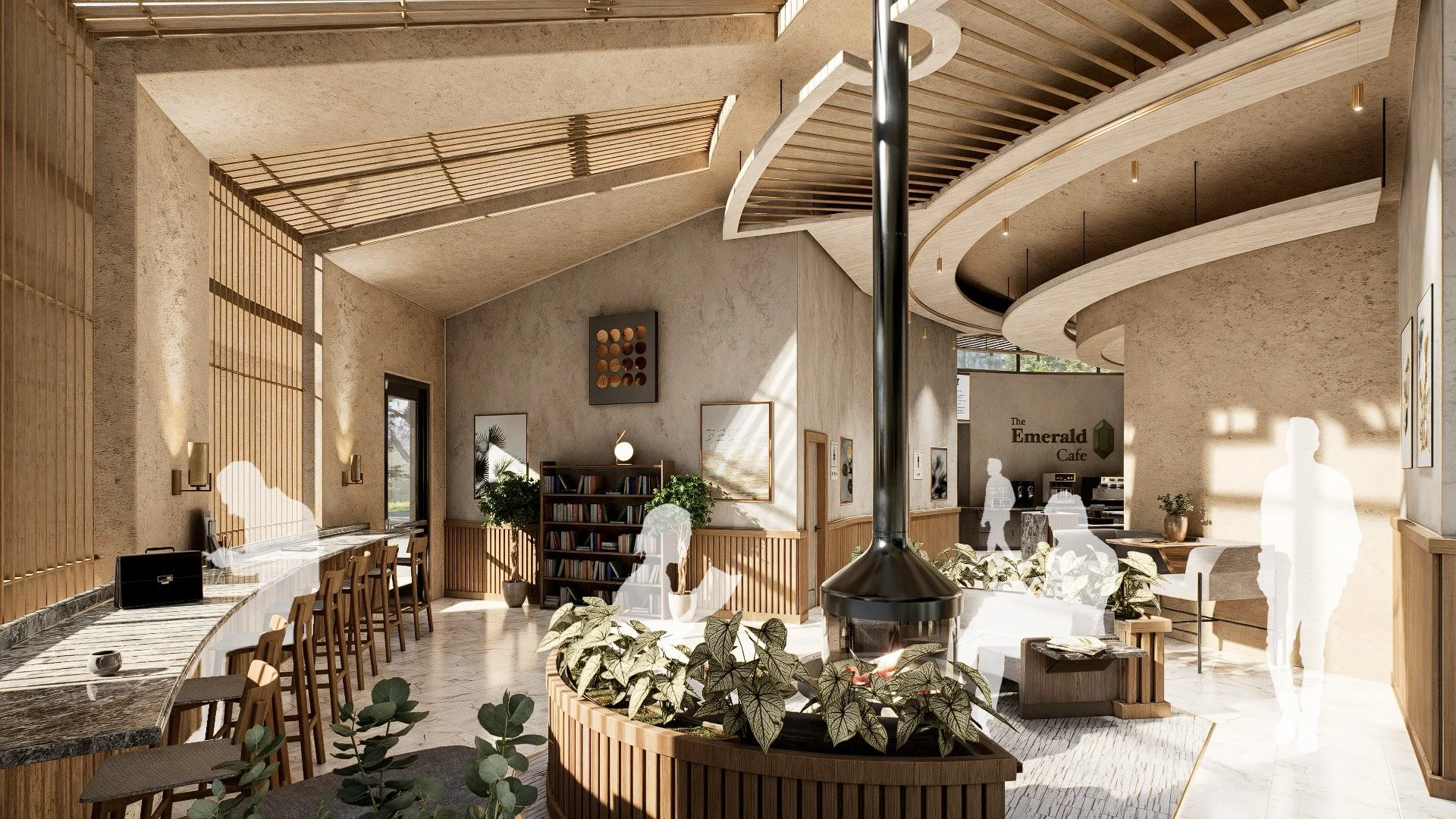
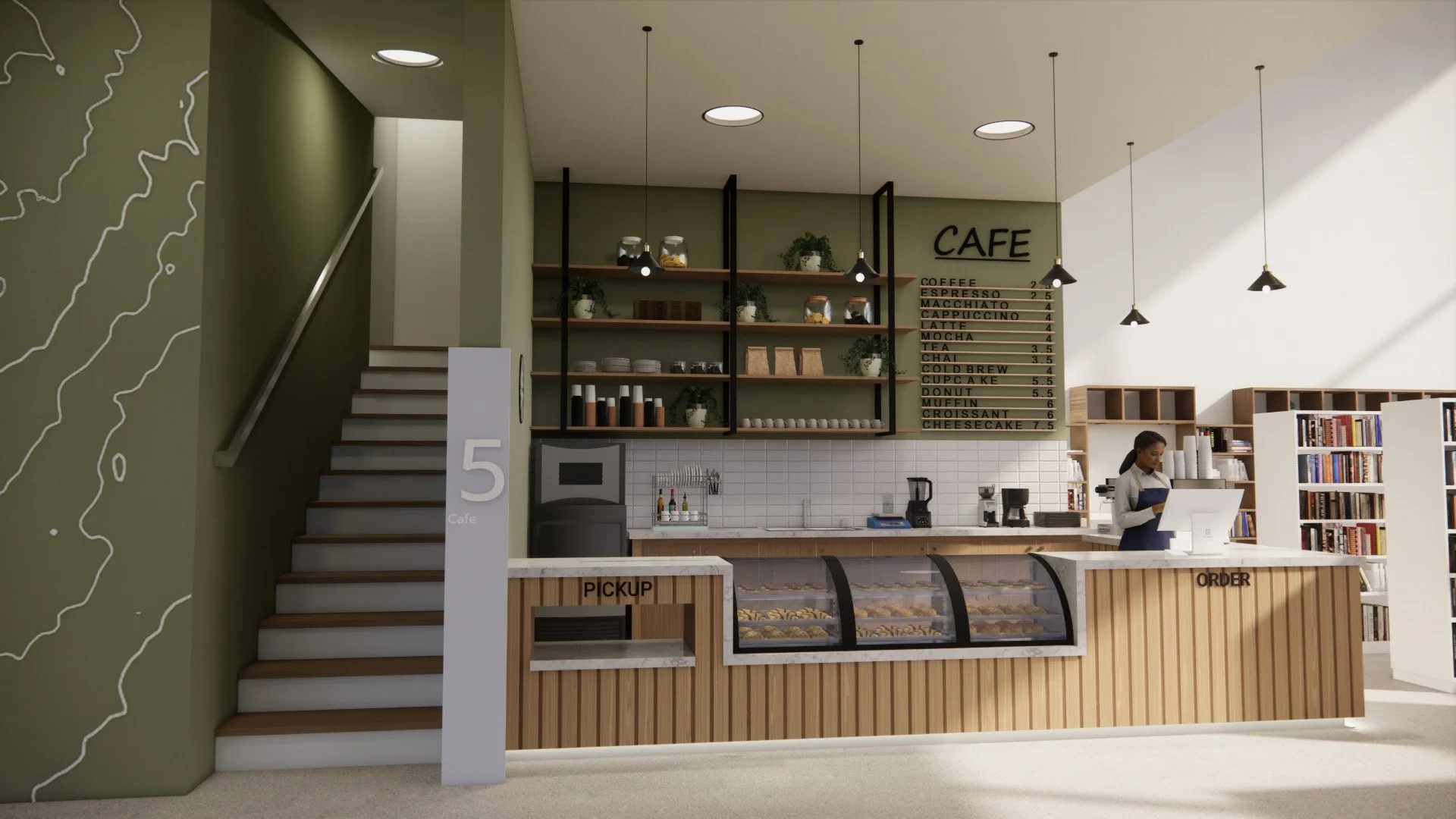
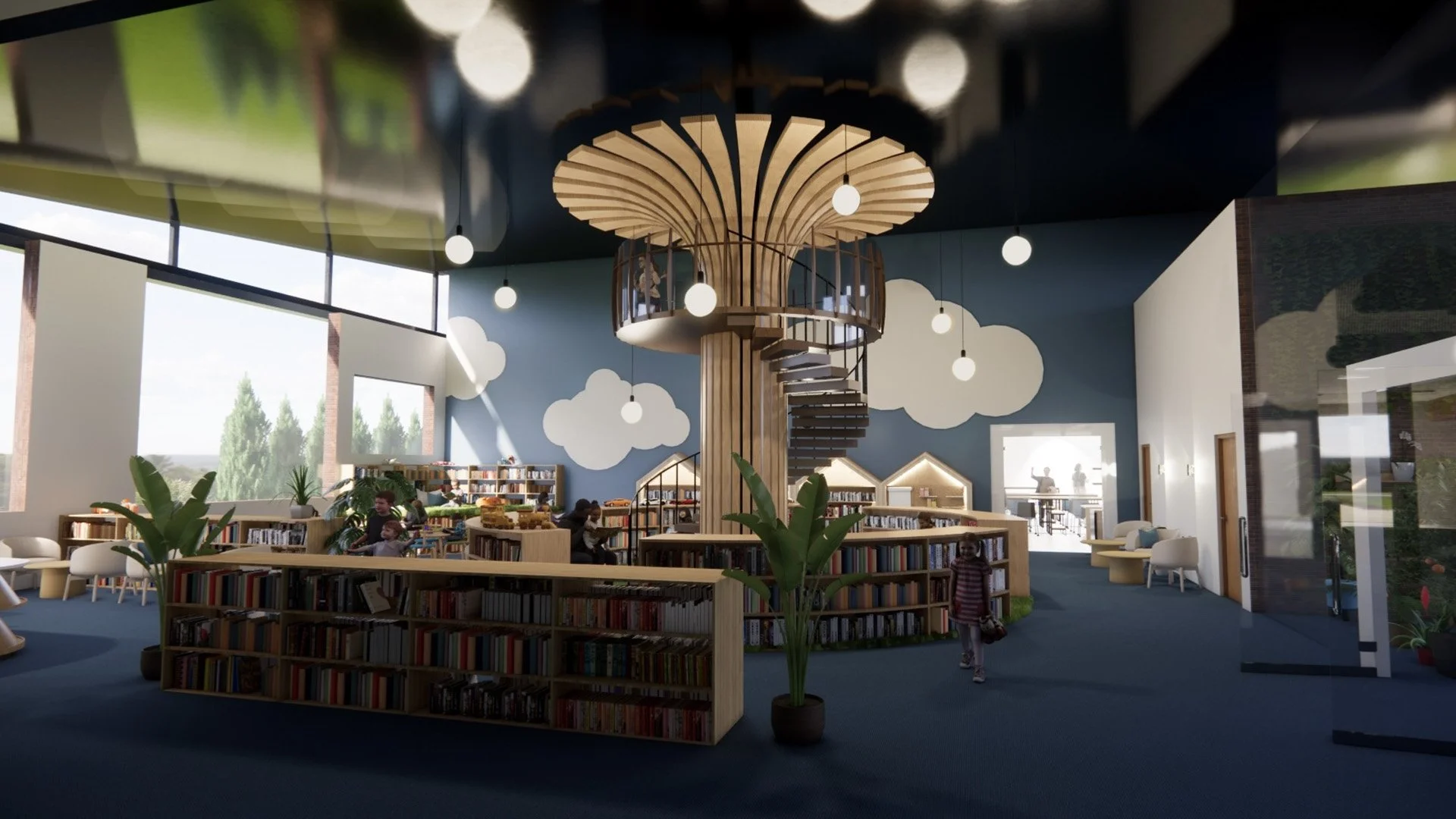
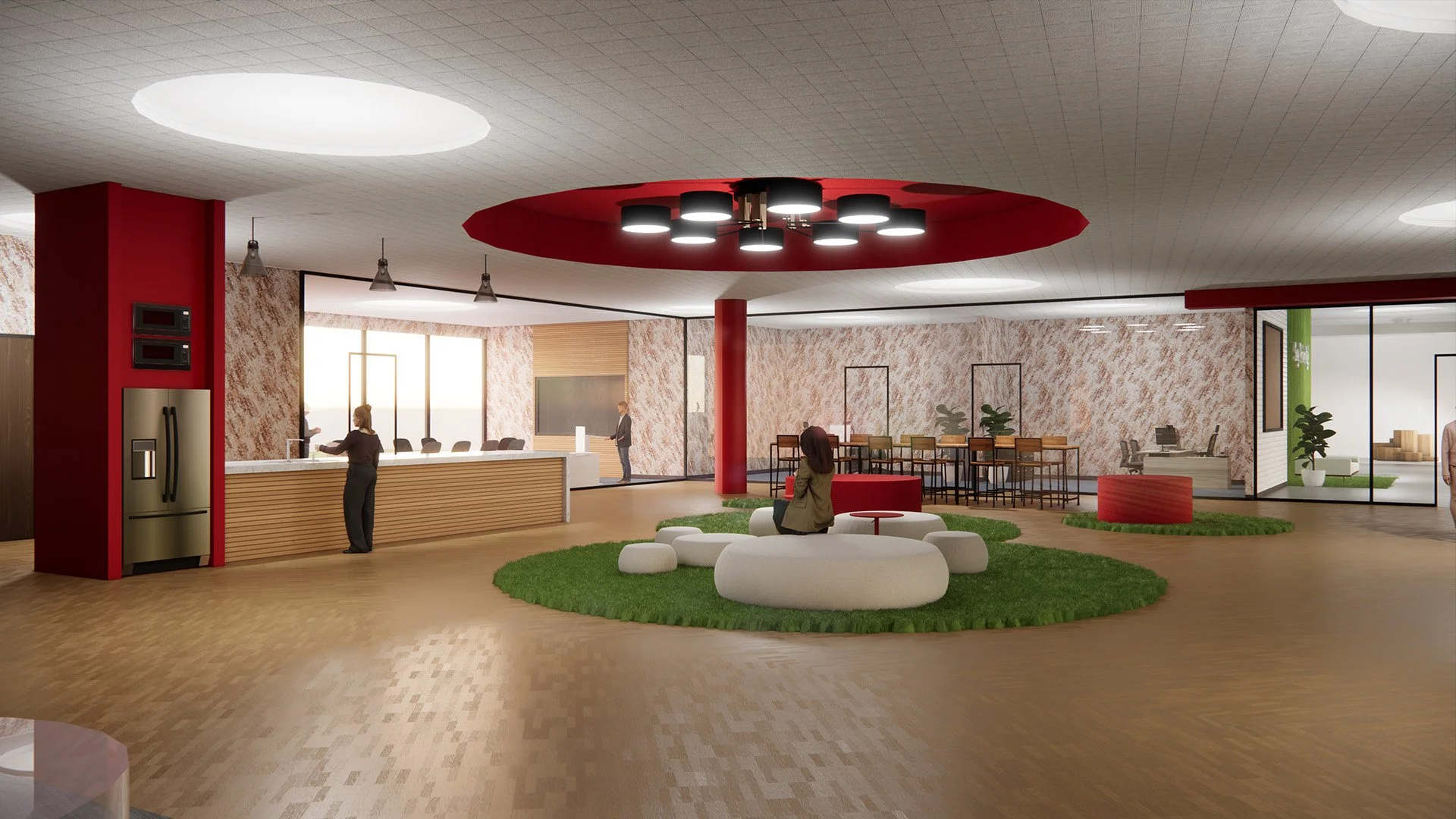
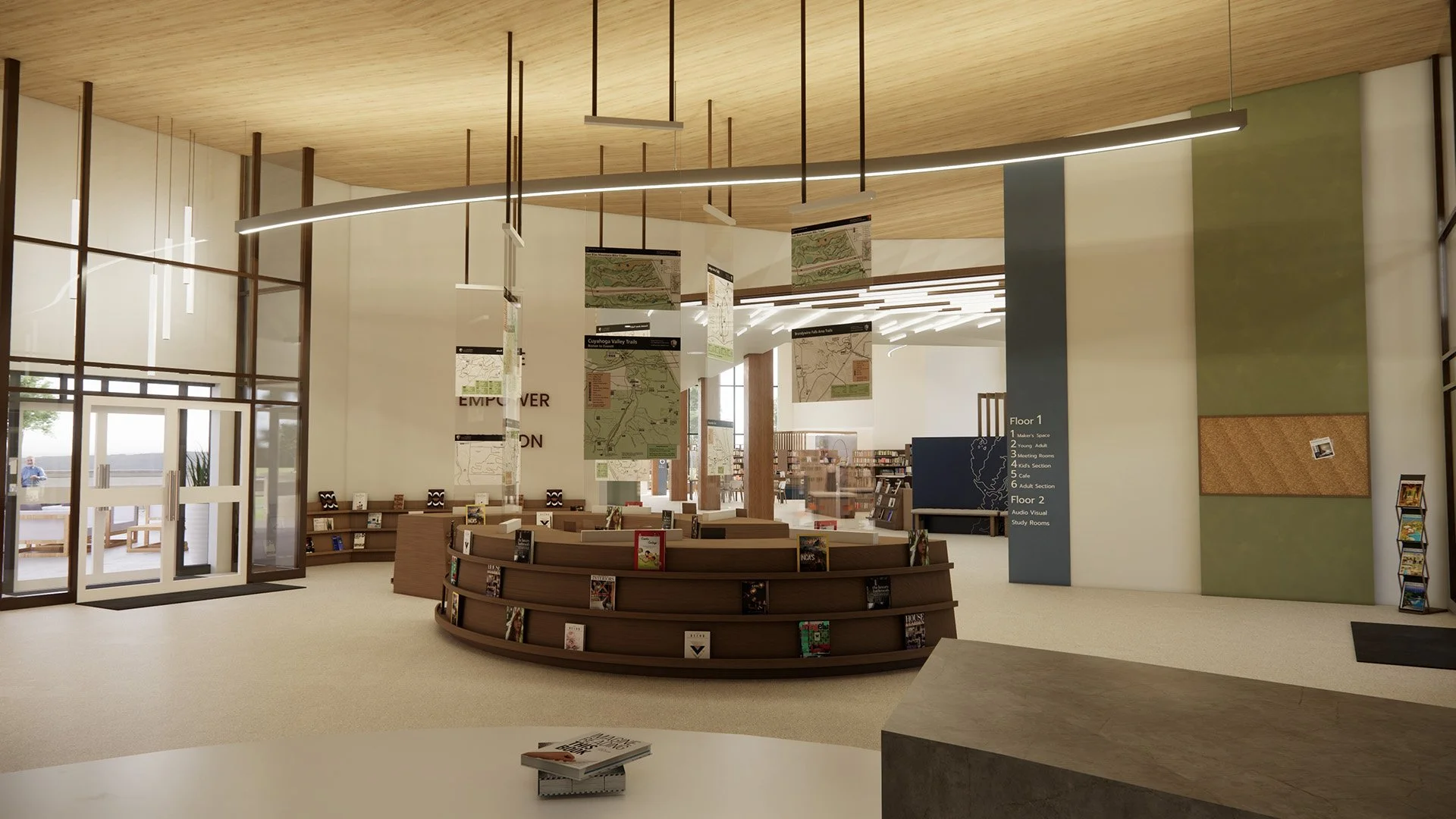
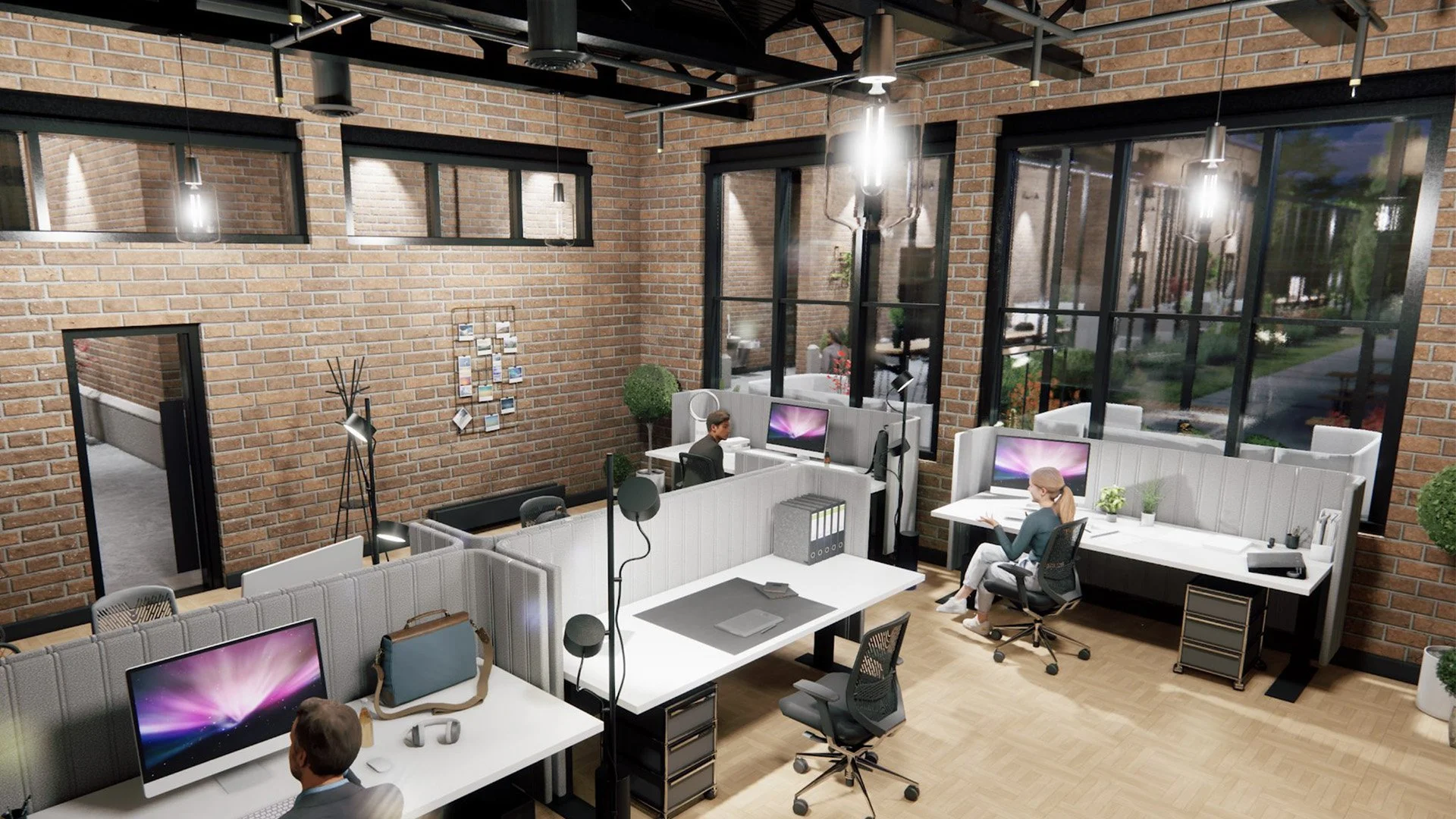
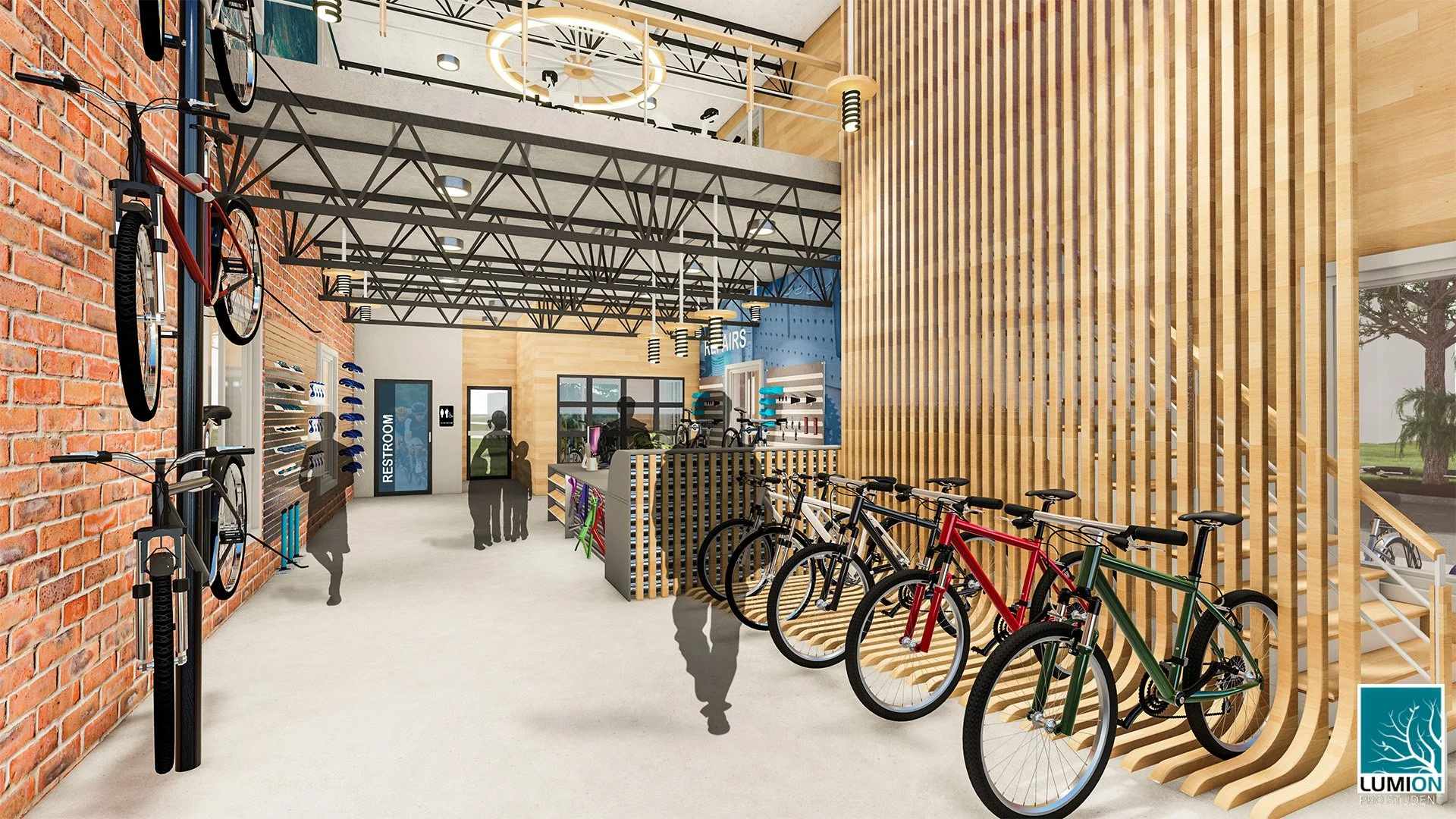
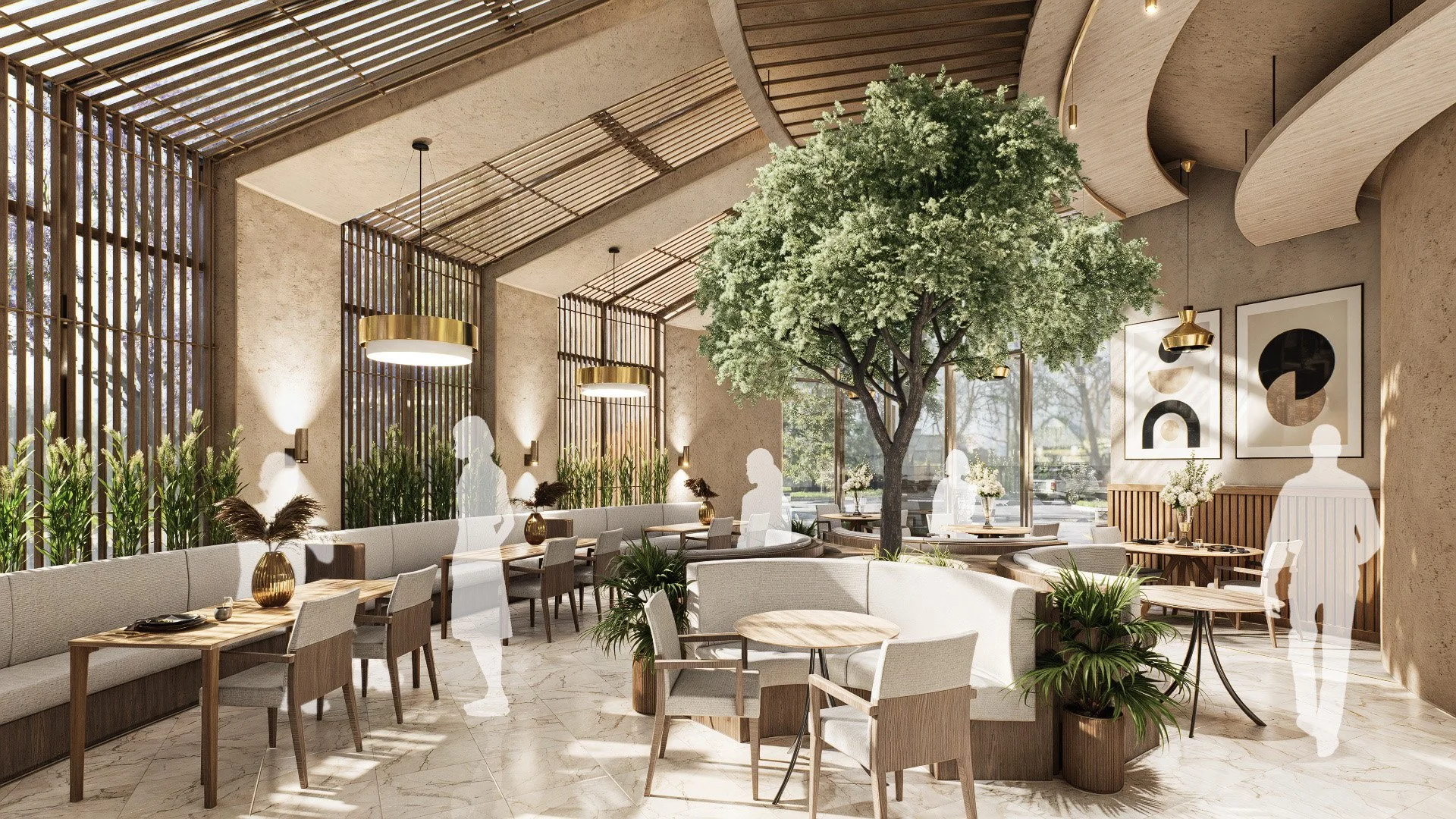
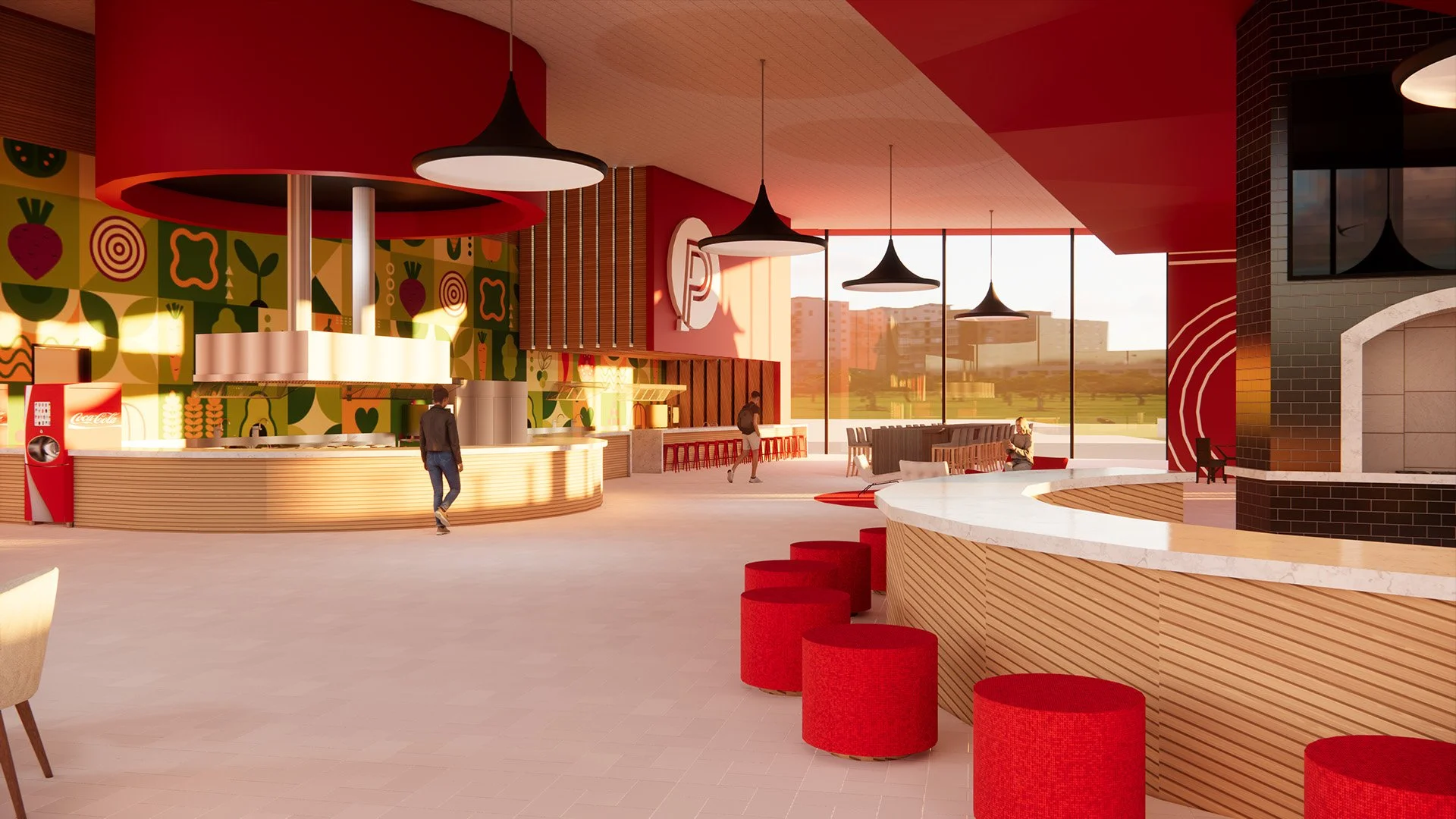
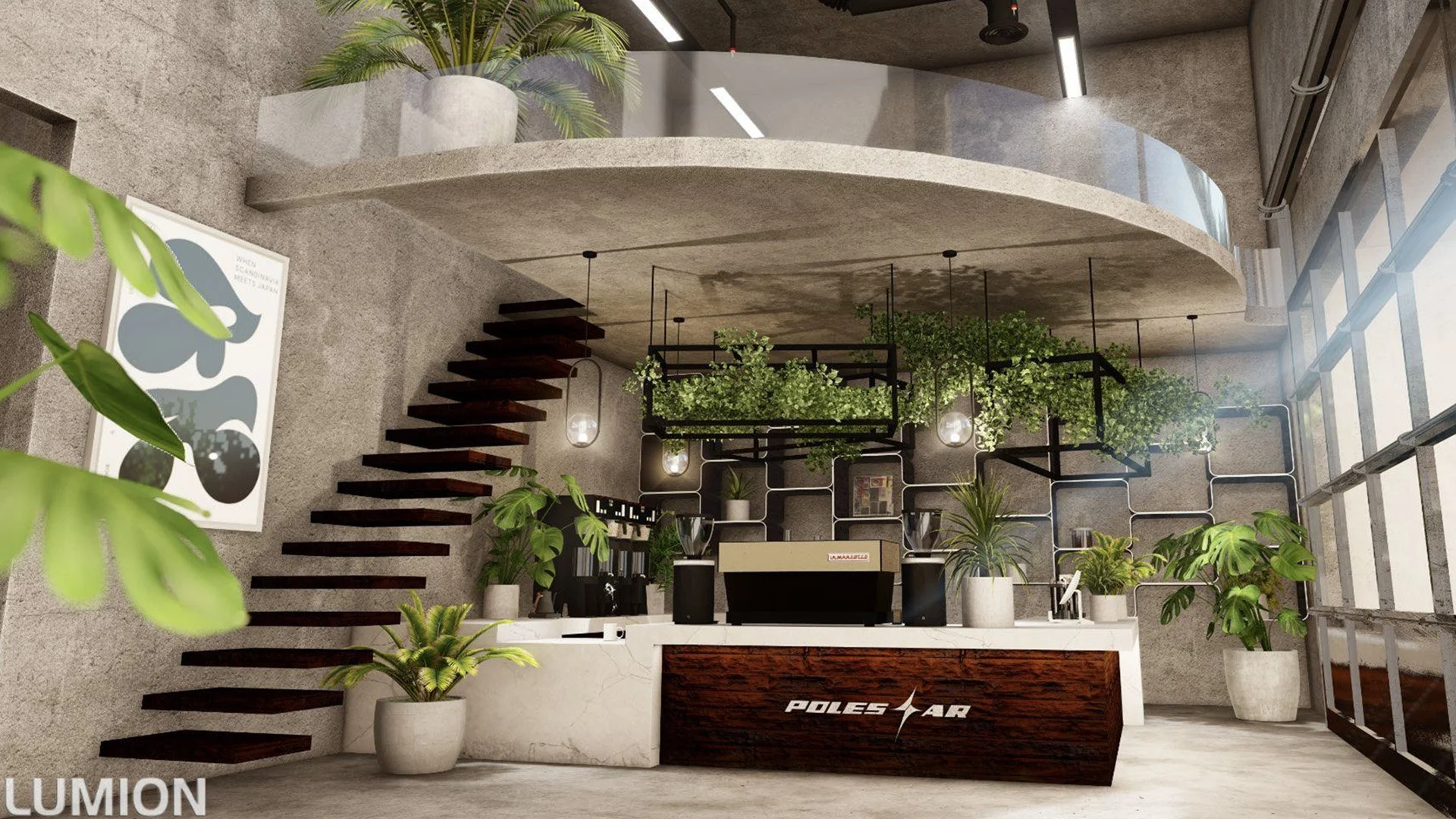
HOSPITALITY & ENTERTAINMENT SPACE DESIGN
What if you could design an experience someone remembers for the rest of their life?
Think about the last place that made you stop and look around.
Maybe it was an incredible hotel lobby. A restaurant where everything—from the lighting to the furniture—felt just right. A theme-park attraction that transported you into another world. A sports venue buzzing with energy. A museum exhibit that made a story come alive.
Those experiences don't happen by accident.
Hospitality and entertainment space designers create places people don't simply visit—they experience.
They combine space, products, lighting, furniture, graphics, technology, storytelling and human-centered design to create environments that engage the senses and influence how people move, interact, feel and remember.
For creative students interested in architecture but equally fascinated by entertainment, brands, products, storytelling and technology, it can be an extraordinary career.
An Industrial and Innovative Design degree from Cedarville University, in partnership with the International Center for Creativity (ICC), prepares you for a career in Hospitality & Entertainment Space Design.
Student Project Gallery
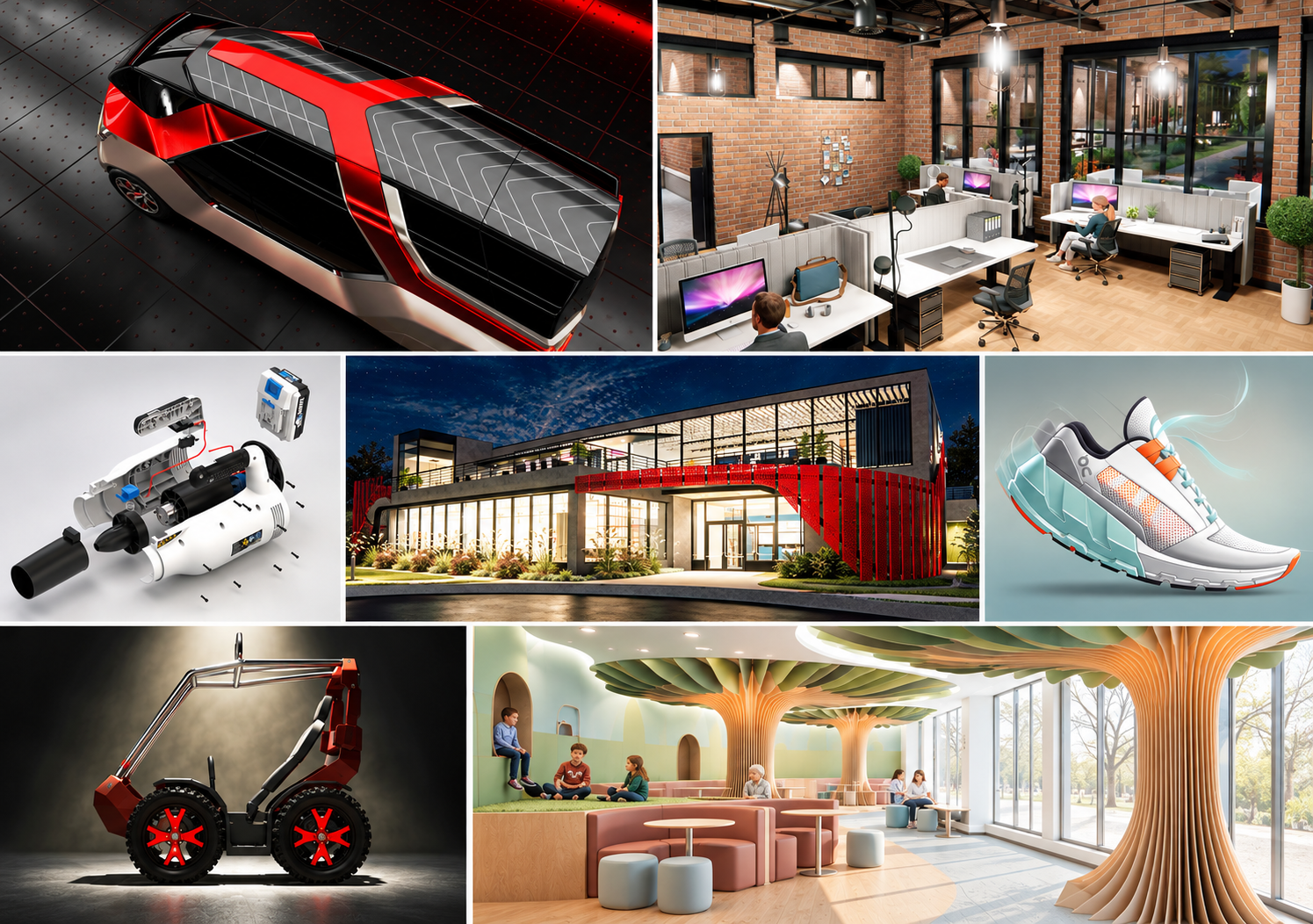
Throughout the academic year and during summer internships, students and staff at the International Center for Creativity (ICC) engage in hands-on design projects that bridge the gap between classroom learning and professional practice. Some projects are sponsored by industry partners, while others are carefully developed classroom experiences designed to replicate the challenges and expectations of the professional design world.
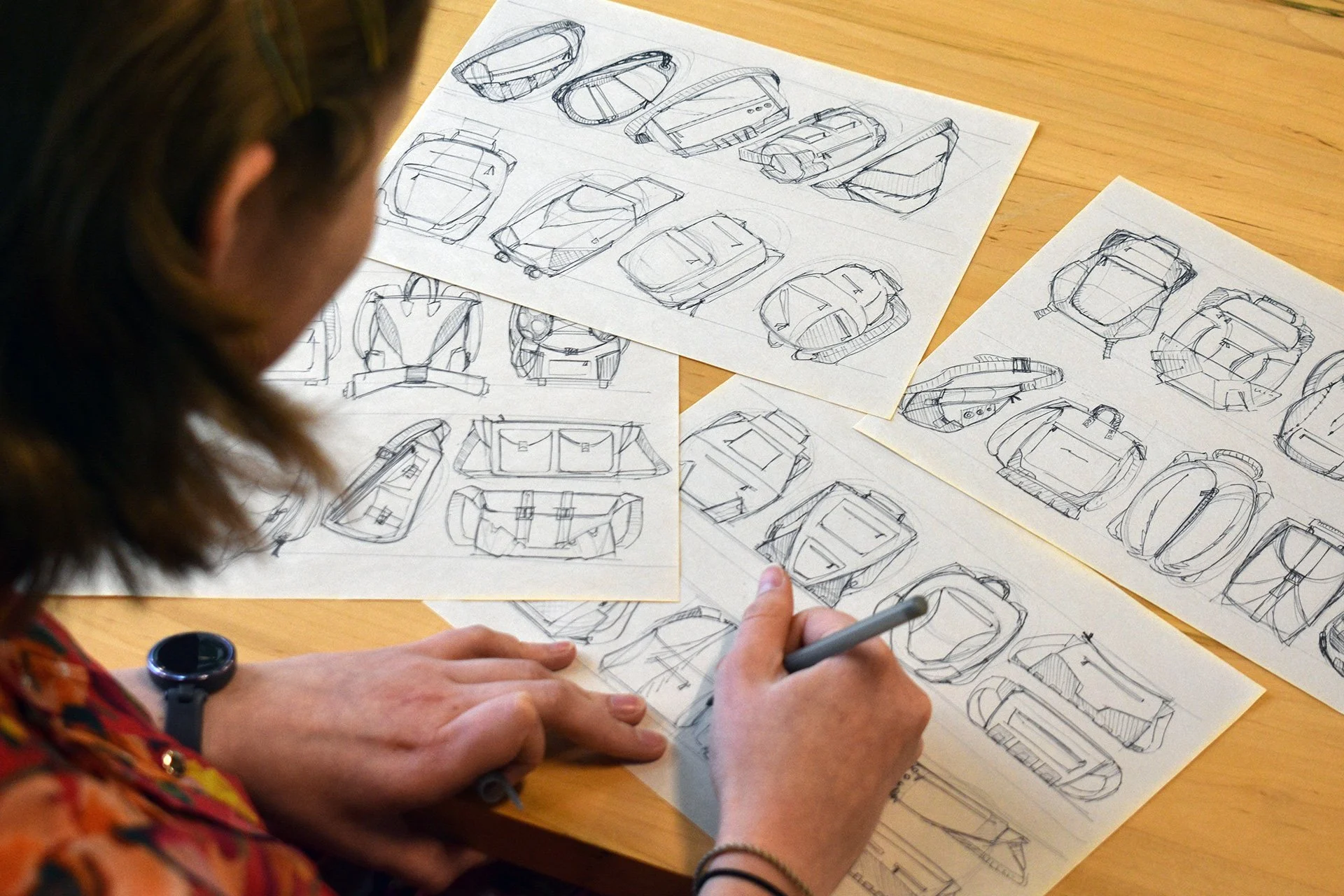
Each project follows a structured design process, beginning with a design brief and progressing through research, ideation, concept development, prototyping, and final presentation. With real deadlines, defined deliverables, and professional expectations, these experiences closely mirror the day-to-day responsibilities of an industrial designer—preparing students with the technical skills, creative problem-solving abilities, and professional confidence needed to succeed in their careers.
Explore Student Projects to discover not only the final design solutions, but also the creative thinking, exploration, and iterative process that brought them to life.
Senior Capstone Spotlight
Senior students in the Industrial and Innovative Design major bring together their acquired skills, creativity, and problem-solving abilities through a semester-long capstone project. These projects challenge students to explore a diverse range of design opportunities, applying research, human-centered design principles, and innovative thinking to develop thoughtful solutions to real-world challenges.
The video above showcases Jerod Trotti’s senior capstone project, Bible Project Experience exhibit for the Museum of the Bible in Washington, D.C. The goal of this project is to design a new eye-catching exhibit space on the top level of the museum to interest visitors with what the rest of the museum has to offer.
The video above showcases Evan Weatherly’s Senior Capstone Project, Audi Formula 1 Motorhome : Carbon Neutral by 2030. The project supports F1's ambitious mission to achieve carbon neutrality by 2030. Building upon the current regulations for car manufacturing, Evan explores designs for an Audi Formula 1 motorhome, setting a precedent for sustainable innovation in team facilities. This initiative not only promotes eco-friendly architecture across F1 circuits but also invites environmental responsibility and elevates hospitality standards for Audi F1 through creative and sustainable motorhome design.
The video above showcases Audrey Swonger’s senior capstone project, Elijah: A Sight and Sound Set Design. The goal of this project was to design an immersive set for Sight & Sound Theatres based on the biblical story of Elijah. The project aims to immerse the audience in the story while showcasing the practical aspects of set design for actors and stagehands.
ICC Grad Talk
Where are they now? Catch up with ICC graduates and discover where their creativity has taken them. These videos highlight their careers, accomplishments, and experiences since graduation—and offer a glimpse into the many paths an ICC education can inspire.
In this conversation, Gabe Pyle interviews Joe Gerber, a 2022 graduate from the ICC, about his journey into the themed entertainment industry. Joe shares his experiences transitioning from mechanical engineering to a career focused on design and technical aspects of themed entertainment, including challenges he faced in finding stable employment. He discusses his current role at Design Communications LTD, the importance of networking, and the significance of work-life balance. Joe also highlights his creative outlet as a writer, having published a book titled 'The Violinist'. Throughout the conversation, he offers valuable advice for aspiring designers and emphasizes the importance of continuous learning and understanding the design process.
Watch Joe’s senior capstone project, The Magic School Bus: Manic Field Trip. This project will propose a unique, trackless attraction that immerses riders in a new story that embodies the appeal of a classic, kids' TV show.
Two Campuses. One Exceptional Student Experience.

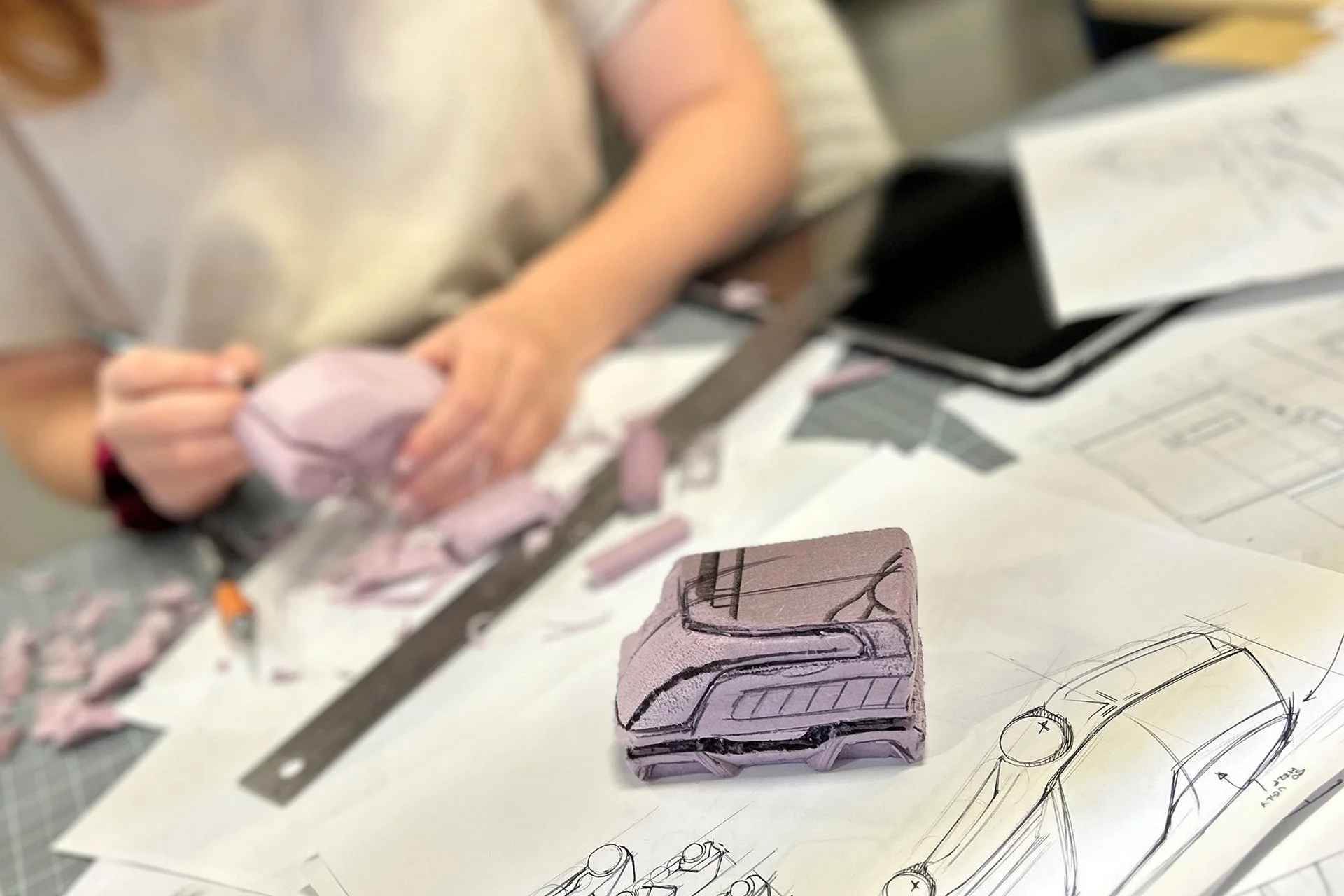
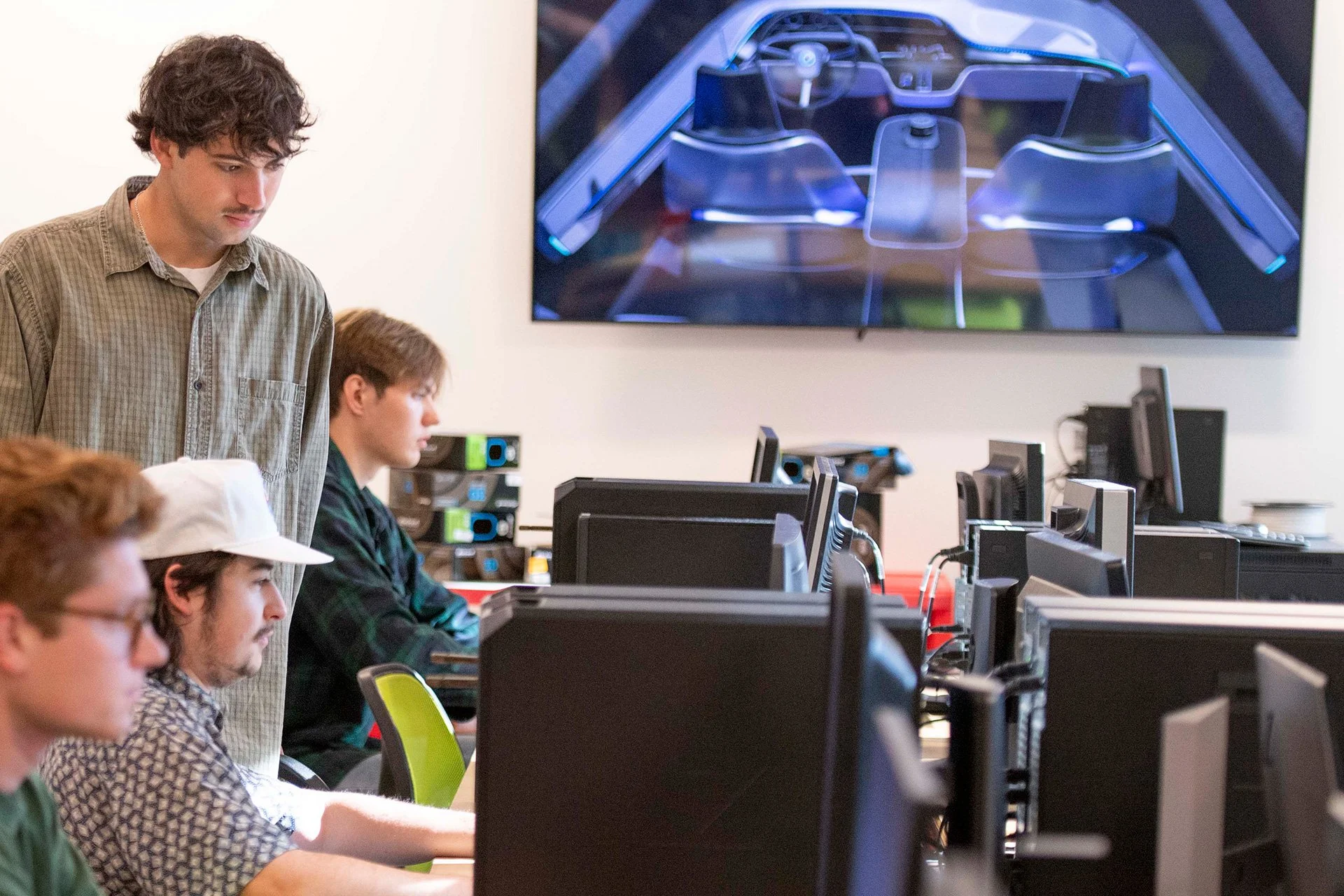
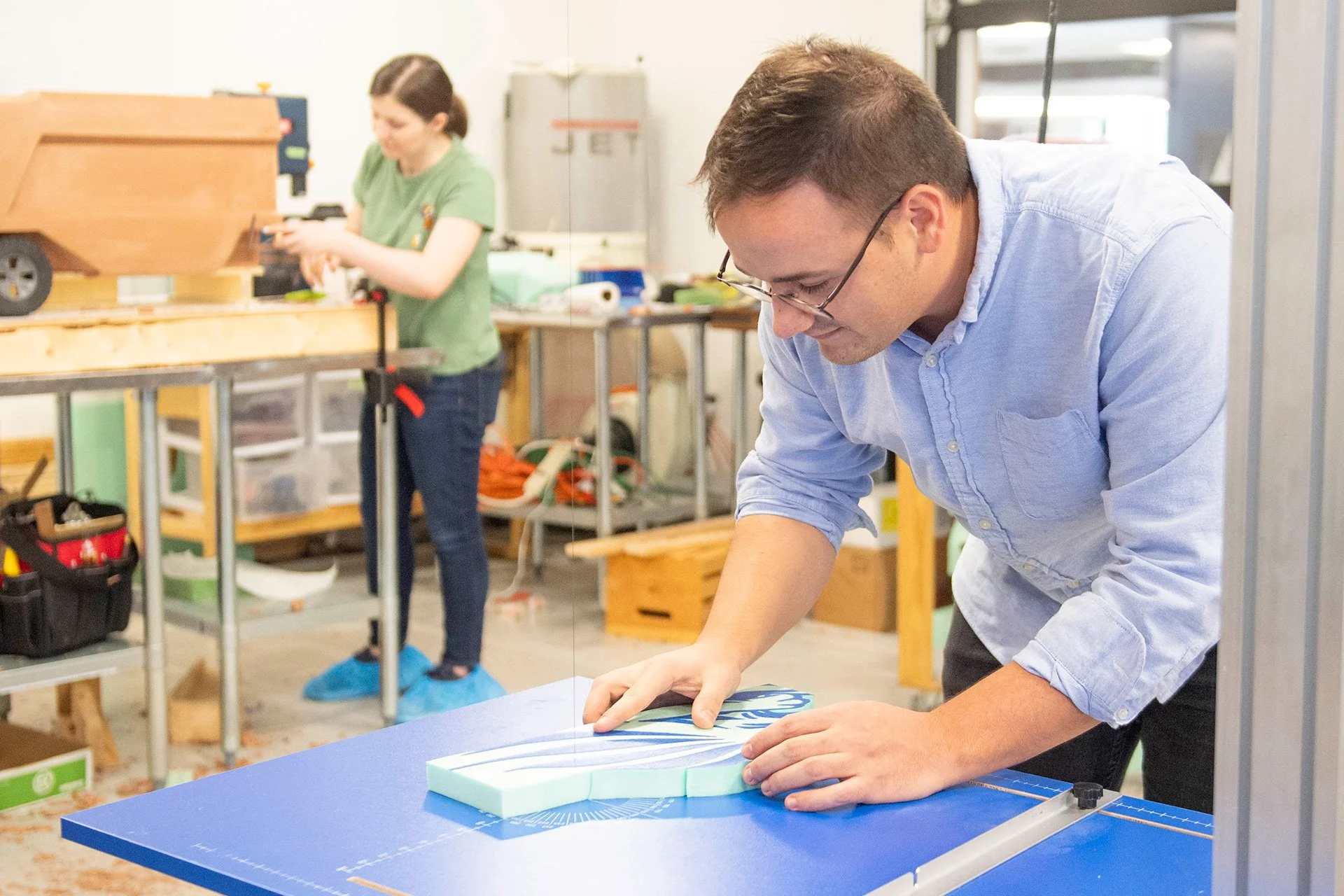
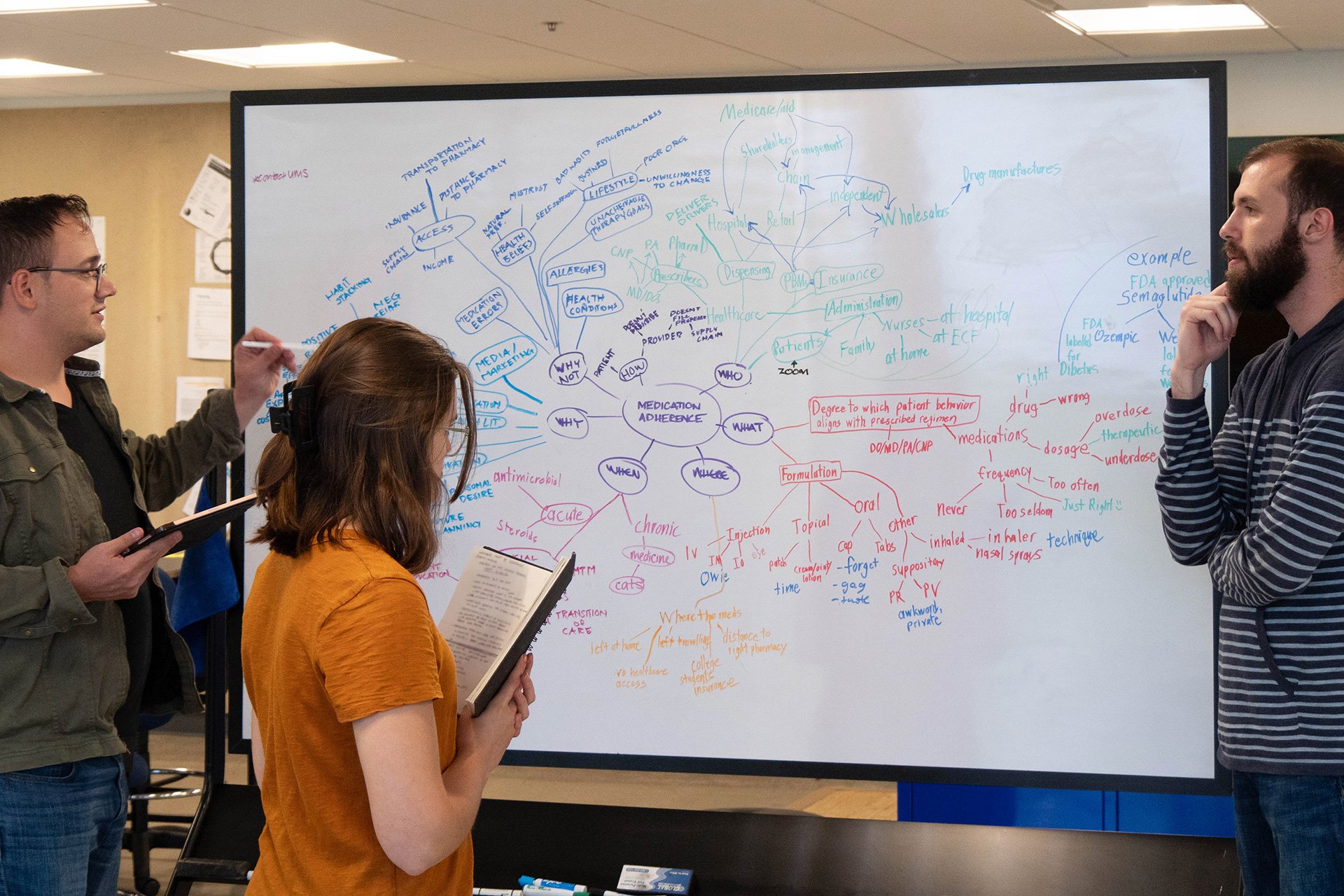
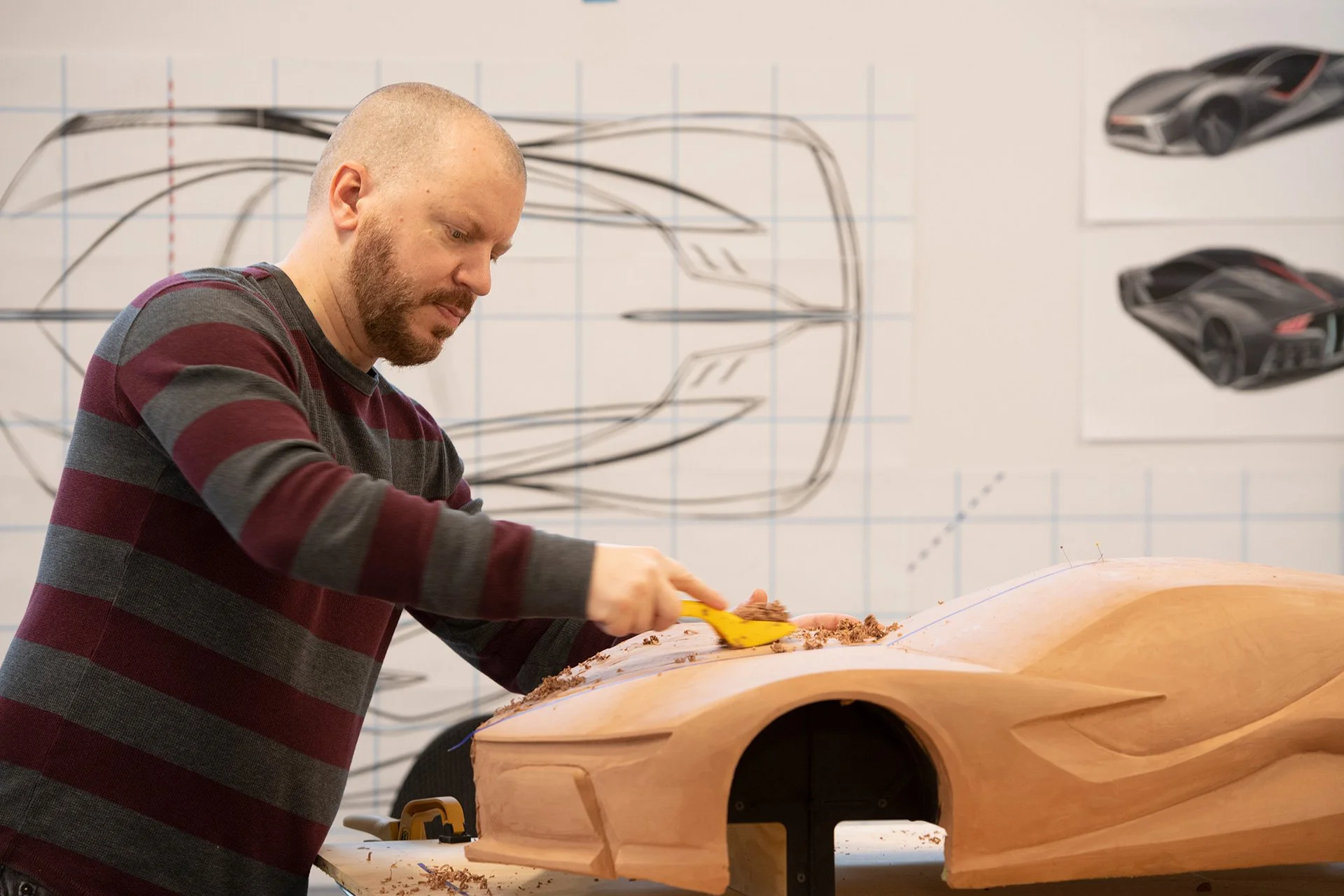
Students in the Industrial and Innovative Design program enjoy the best of both worlds through a unique four-year college experience. The first two years are spent on Cedarville University's campus in Cedarville, Ohio, building a strong academic foundation while enjoying traditional college life and a vibrant campus community. The final two years take place at the ICC Innovation Campus in Dublin, Ohio, where students immerse themselves in a collaborative, studio-based learning environment focused on creativity, innovation, and real-world design challenges.
Together, these two distinct experiences offer an exceptional blend of campus life, meaningful relationships, hands-on learning, and professional preparation.

Discover Where Our Graduates Are Making an Impact
From innovative startups to leading companies across a wide range of industries, ICC graduates are putting their creativity and design skills to work. Connect with our students and alumni on LinkedIn to explore their career journeys, discover the exciting places they're working, and see how they're impacting the world.
Simply search for “International Center for Creativity” on LinkedIn or visit our company page to connect with our community and discover where an ICC education can take you.
Explore the International Center for Creativity on LinkedIn →
What kinds of places could you design?
The possibilities are remarkably broad.
Hospitality and entertainment designers may help create hotels and resorts • restaurants and cafés • entertainment districts • theme parks and attractions • immersive experiences • theaters • concert venues • sports facilities • museums • visitor centers • cruise-ship environments • casinos • clubs and lounges • event spaces • convention centers • recreation destinations • retail-entertainment environments • branded experiences • themed restaurants • corporate visitor experiences • churches and ministry attractions.
They might design a boutique hotel's lobby one year and an interactive museum environment the next.
They can work for architecture and interior-design firms, hospitality-design consultancies, experiential-design studios, entertainment companies, theme-park and attraction designers, hotel organizations, restaurant companies, exhibit firms, branding agencies, developers or corporations with internal design teams.
Some build careers specifically in themed entertainment and experience design, where storytelling, architecture, industrial design, graphics, technology and theatrical production converge.
What does a Hospitality & Entertainment Designer actually do?
Imagine being asked to design a new restaurant.
Where does the experience begin?
At the front door?
The parking lot?
The restaurant's website?
What does the customer see when entering?
How should people move through the space?
Where do they order?
Where do they wait?
What should the lighting communicate?
How should the furniture feel?
Where should signs be located?
What does the employee experience look like?
How should the environment communicate the brand?
A designer may consider all of it.
Now imagine doing that for an entire hotel, resort, attraction or entertainment venue.
Hospitality and entertainment designers don't merely make places attractive.
They design experiences.
The Designer's Toolkit
Creating those experiences requires an unusual combination of artistic, technical and interpersonal abilities.
Hard skills can include rapid sketching and ideation, perspective drawing, space planning, floor-plan development, 2D and 3D CAD, Revit/BIM, digital modeling, rendering, visualization, materials and finishes, furniture and fixture design, lighting concepts, signage and wayfinding, brand integration, prototyping, modelmaking, storytelling and presentation development.
Depending upon the specialty, designers may use tools such as Revit, AutoCAD, SketchUp, SolidWorks, Adobe Creative Cloud, rendering and visualization platforms, digital drawing tools, VR/AR environments and AI-assisted visualization tools.
But this field demands more than software proficiency.
Hospitality is about people.
Entertainment is about emotion.
So successful designers also need empathy, curiosity, observation, communication, collaboration, storytelling, creative problem-solving, presentation skills, adaptability, organization and the ability to work effectively on interdisciplinary teams.
They may collaborate with architects, interior designers, industrial designers, engineers, graphic designers, lighting designers, marketers, chefs, hotel operators, builders, fabricators, entertainment producers and clients.
The best designers learn to speak all of those languages.
How Is AI Changing Hospitality and Entertainment Design?
AI is rapidly expanding what designers can explore during the creative process.
A designer might use AI to research trends, develop mood and experience directions, visualize early concepts, explore alternative aesthetics, accelerate repetitive workflows and communicate an idea before investing substantial time in detailed development.
Generative tools can also help designers investigate multiple solutions to a problem rather than immediately committing to their first idea.
Professional design platforms are increasingly incorporating these capabilities. Autodesk, for example, is integrating AI and generative approaches into architecture and design workflows, while Revit supports generative design processes based on goals and constraints.
But AI doesn't know whether a hotel lobby feels welcoming.
It doesn't truly understand why a child is captivated by an attraction.
It doesn't understand the nervous excitement of entering a theme park or the feeling of celebrating an anniversary at a special restaurant.
Designers understand people.
AI can help generate possibilities.
Designers decide which possibilities matter.
That's why tomorrow's hospitality and entertainment designers need both timeless creative abilities and fluency with emerging technology.
Why ICC + Cedarville?
Because experiences don't fit neatly into one design discipline.
A hotel isn't simply architecture.
A restaurant isn't simply interior design.
A theme-park attraction isn't simply entertainment.
They're complex systems of:
People + Space + Products + Furniture + Lighting + Graphics + Technology + Movement + Brand + Story + Emotion
And that makes Industrial & Innovative Design an unusually powerful foundation.
ICC students don't study only spaces. They study products, transportation, interior architectural spaces and exterior architectural spaces, while developing skills in design thinking, consumer insights, visualization, prototyping, storytelling, innovation, entrepreneurship and professional presentation. Cedarville describes the major as preparing students for 3D design careers through coursework spanning interior and exterior architectural design, product design and transportation design.
That multidisciplinary perspective matters enormously in hospitality and entertainment.
A restaurant designer needs to think about the room and the objects inside it.
An attraction designer needs to think about the environment and how people move through it.
A hotel designer considers architecture, furniture, lighting, signage, materials, technology, service and guest experience.
An entertainment designer may combine physical environments with storytelling, products, digital interfaces and immersive technology.
That's exactly the kind of boundary-crossing problem industrial designers are trained to solve.
The Best of Two Worlds
The partnership between the International Center for Creativity and Cedarville University gives students an educational experience that's difficult to duplicate.
Students begin at Cedarville University, experiencing everything expected from a vibrant residential Christian university: residence life, friendships, athletics, student organizations, chapel, campus activities, academics and community.
Then Industrial & Innovative Design students transition to ICC's professional design studios in Dublin, Ohio, for their junior and senior years. Cedarville describes the ICC facilities as a professional studio environment where students develop the knowledge and skills required for successful careers in 3D design.
It's intentionally different.
A vibrant, Christ-centered university experience + an immersive, career-intensive professional design education.
Students don't have to choose between the traditional college experience and specialized professional preparation.
They get both.
National Recognition. Professional Preparation.
Cedarville University has built a national reputation for rigorous academics, student engagement, Christian community and career preparation.
In 2026, Education Insider named Cedarville its Top Christian University, citing biblical integration, academic excellence and career outcomes. Among Cedarville's class of 2025, 98.3% were employed or enrolled in graduate school within six months.
The Industrial & Innovative Design program is nationally recognized as well. The program was ranked No. 5 in College Values Online's 2025 ranking of bachelor's degrees in industrial design. ICC reports that Cedarville was the only Ohio university in the Top 10 and the only evangelical Christian institution in the national ranking.
Cedarville's own news coverage describes Industrial & Innovative Design as a leading Christian design program, while its partnership with ICC brings active industry professionals directly into the classroom. In 2025, for example, veteran industrial designer and Chick-fil-A design lead Brian Furlong (now with Newell Brands) joined the program's teaching team, bringing more than 25 years of professional experience involving product design, customer insight, modelmaking and concept generation.
Learn Design Where Design Happens
For their upper-level design years, students transition to ICC in Dublin, Ohio, within the greater Columbus metropolitan area.
That places students near corporations, restaurants, hotels, architectural firms, retail organizations, entertainment venues, manufacturers, design consultancies and entrepreneurs.
ICC's own campus description emphasizes the advantage: its location is about 20 minutes from both John Glenn International Airport and downtown Columbus and minutes from major shopping, dining, hotels, sports and entertainment destinations.
For an aspiring hospitality or entertainment designer, the city itself becomes part of the education.
Students aren't only studying design.
They're increasingly living around the industries they hope to join.
Real Projects. Real Clients. Real Experiences.
ICC's experiential approach becomes particularly powerful in this career field.
Industrial & Innovative Design students work on projects with real-world impact and identify architectural space design—both interior and exterior—as one of the program's major design categories.
Students recently partnered with Dulci Sweets on the company's proposed expansion into a 16,000-square-foot location in Ashland, Ohio. The project involved creating a welcoming commercial environment and addressing the experience surrounding a growing destination business—exactly the kind of human-centered thinking that translates to hospitality design.
Our Students Are Already Imagining Experiences
Perhaps no ICC student project illustrates this career direction better than Joe Gerber's senior capstone.
Joe had wanted to conceptualize and design amusement-park experiences since childhood.
For his 2022 Industrial & Innovative Design capstone, he developed a Magic School Bus-themed full-immersion ride experience—turning an interest in entertainment into a sophisticated design challenge involving environment, transportation, storytelling and human experience.
That's exactly why this career belongs within Industrial & Innovative Design.
The designer isn't simply creating a chair.
Or a room.
Or a vehicle.
They're asking:
What should the person experience?
Then they're using design to make that experience possible.
ICC's alumni exhibits also demonstrate the breadth of the program, including graduate work specifically identified as Interior Design, alongside product and footwear work.
Could Hospitality & Entertainment Design Be Your Career?
Maybe you're the student who notices everything when you enter a restaurant.
The lighting.
The furniture.
The music.
The graphics.
The materials.
The way people move through the space.
Maybe you love theme parks and spend as much time wondering how the experience was created as enjoying the ride.
Maybe you're fascinated by hotels, museums, sports venues, restaurants or immersive attractions.
Maybe you love art and architecture—but you're equally interested in technology, storytelling, products and people.
Maybe you've never realized there was a career combining all those interests.
There is.
At Cedarville University and the International Center for Creativity, you'll build traditional design fundamentals while developing capabilities in human-centered problem-solving, visualization, hands-on making, digital technology, professional collaboration and emerging tools such as AI.
You'll begin with the community and energy of a vibrant Christian university.
Then you'll add an immersive professional design environment where the focus increasingly becomes your skills, your portfolio and your career.