
Home >> Industrial & Innovative Design >> Interior Architectural Space Design >> Career Path: Healthcare & Wellness Design
Design Spaces That Help People Heal, Live and Thrive
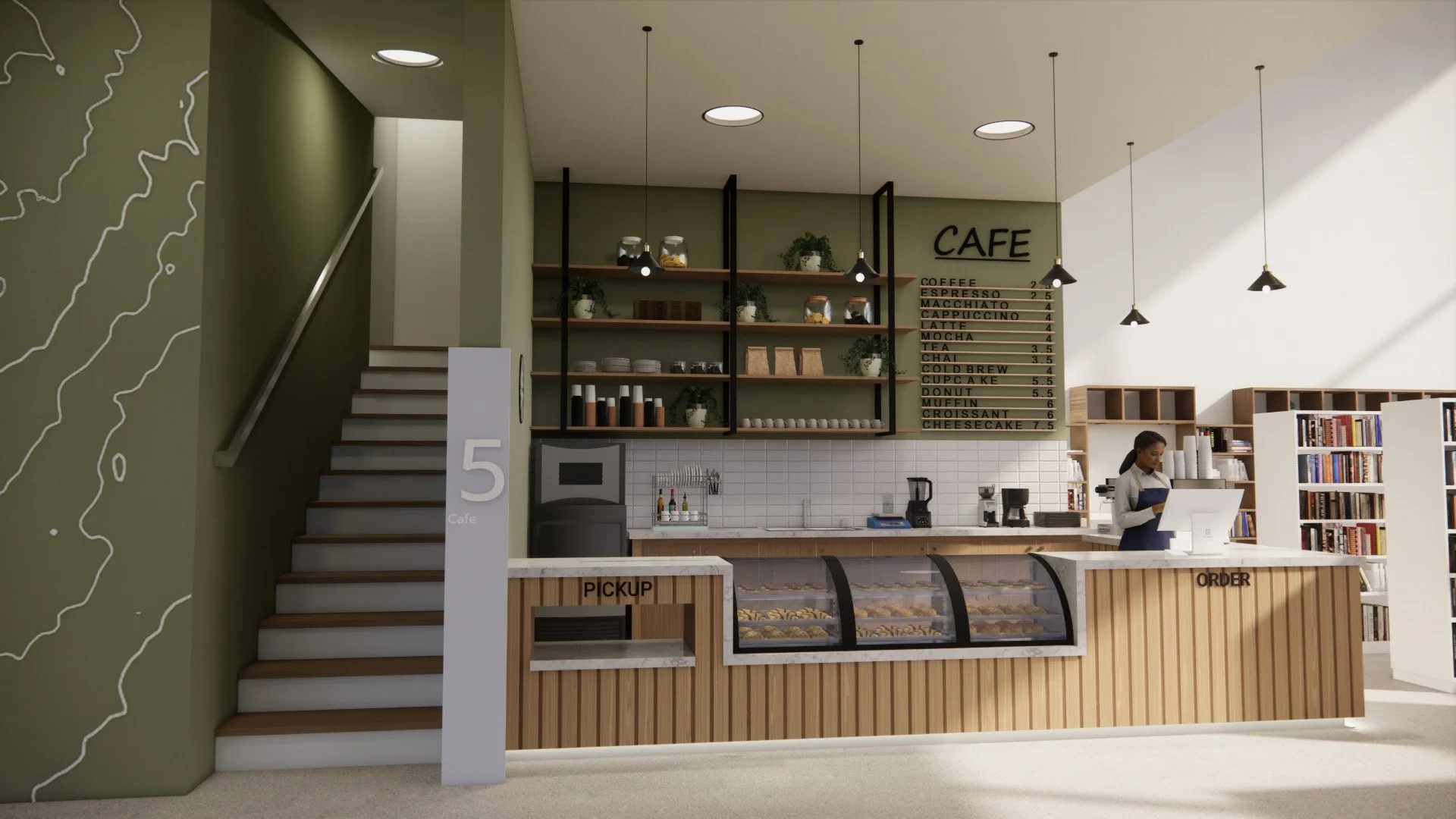
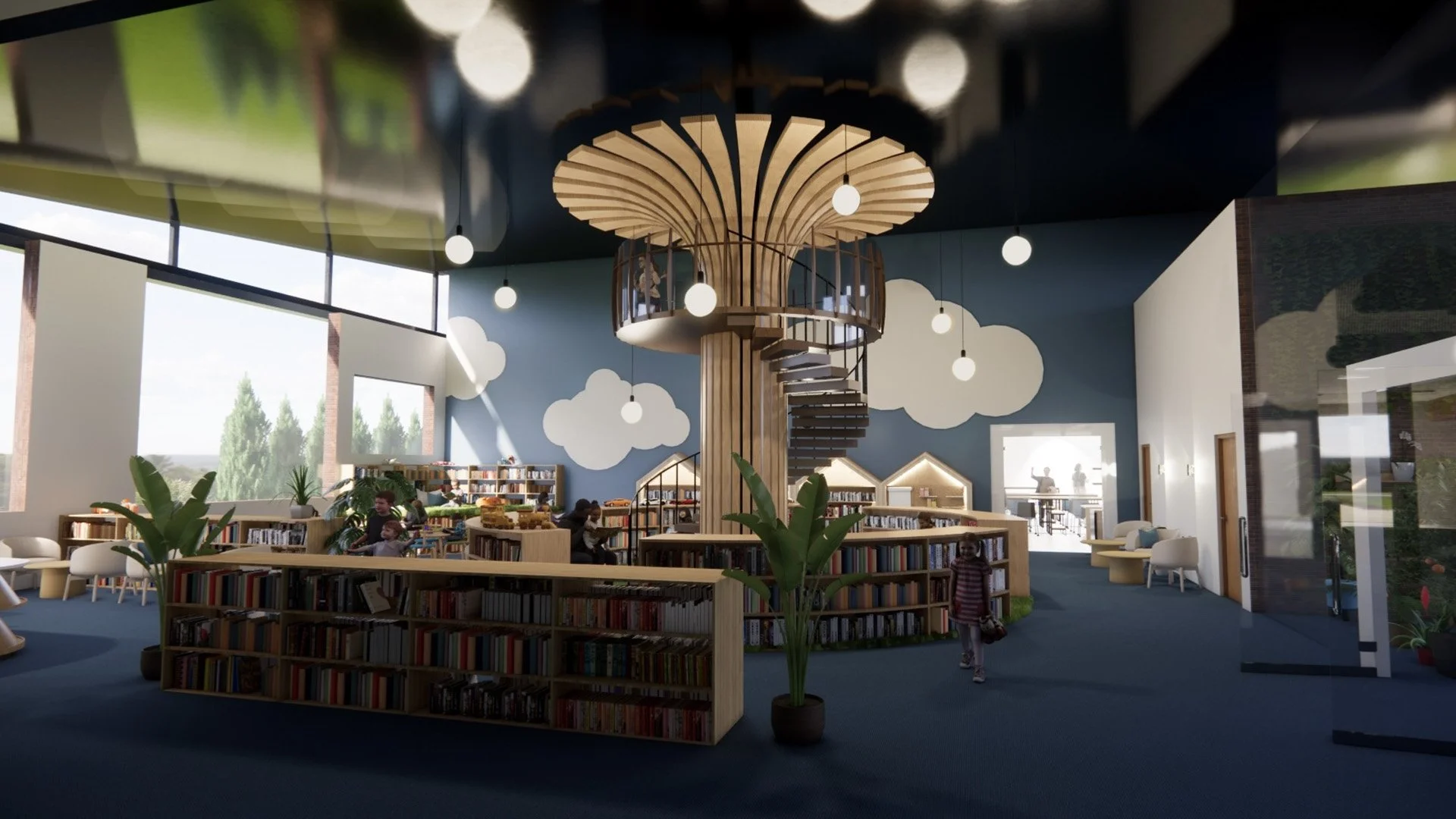
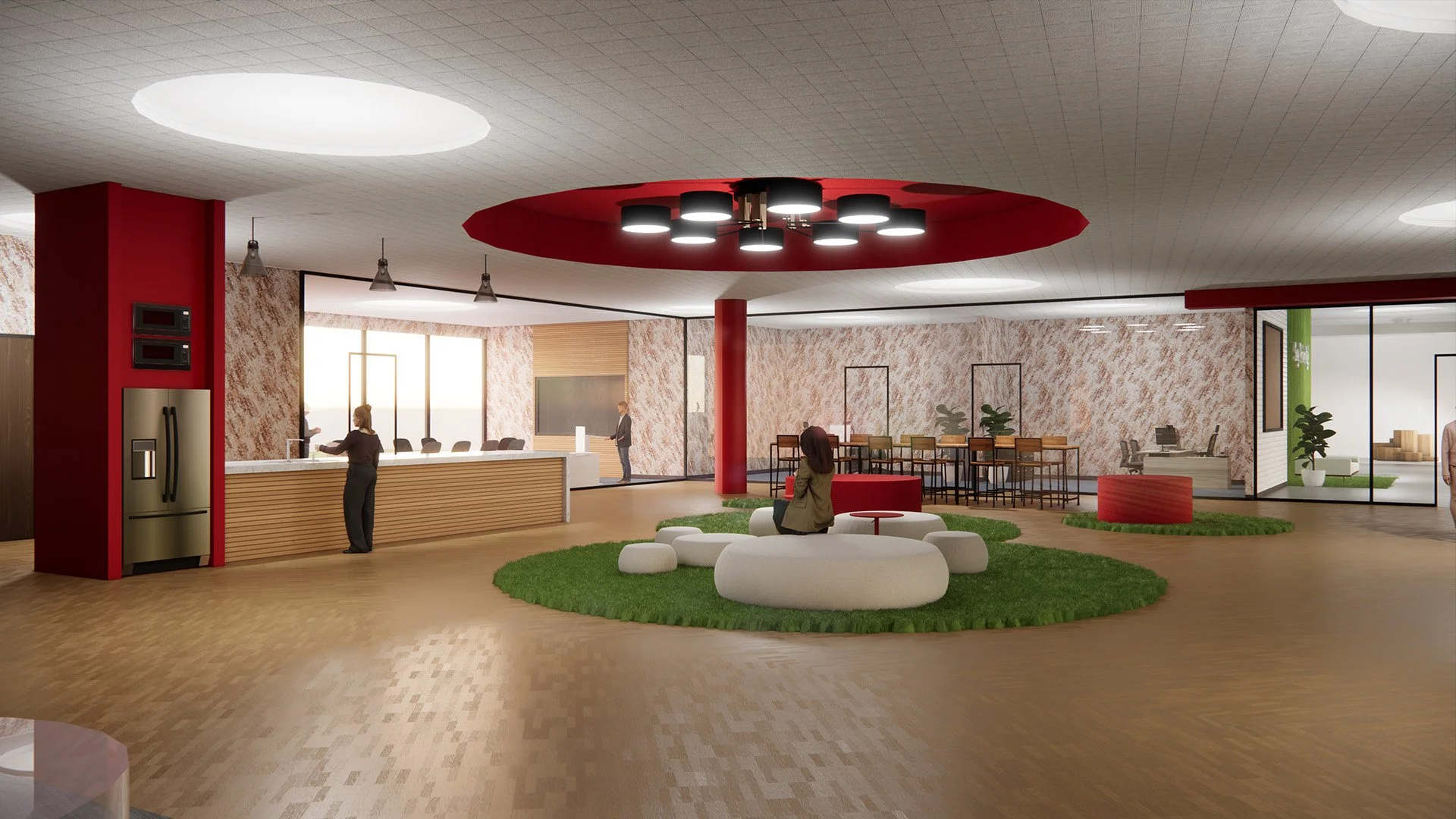
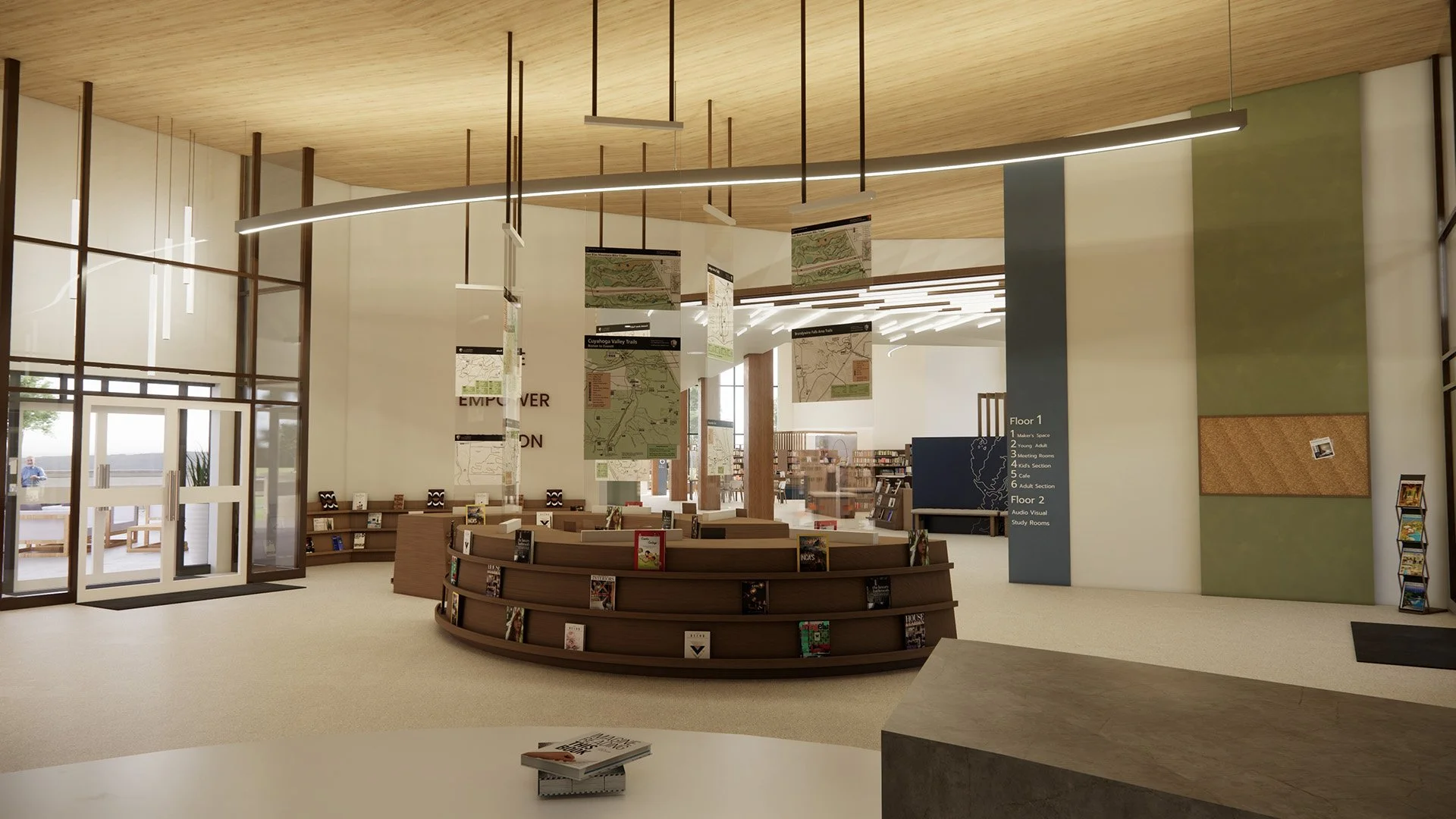
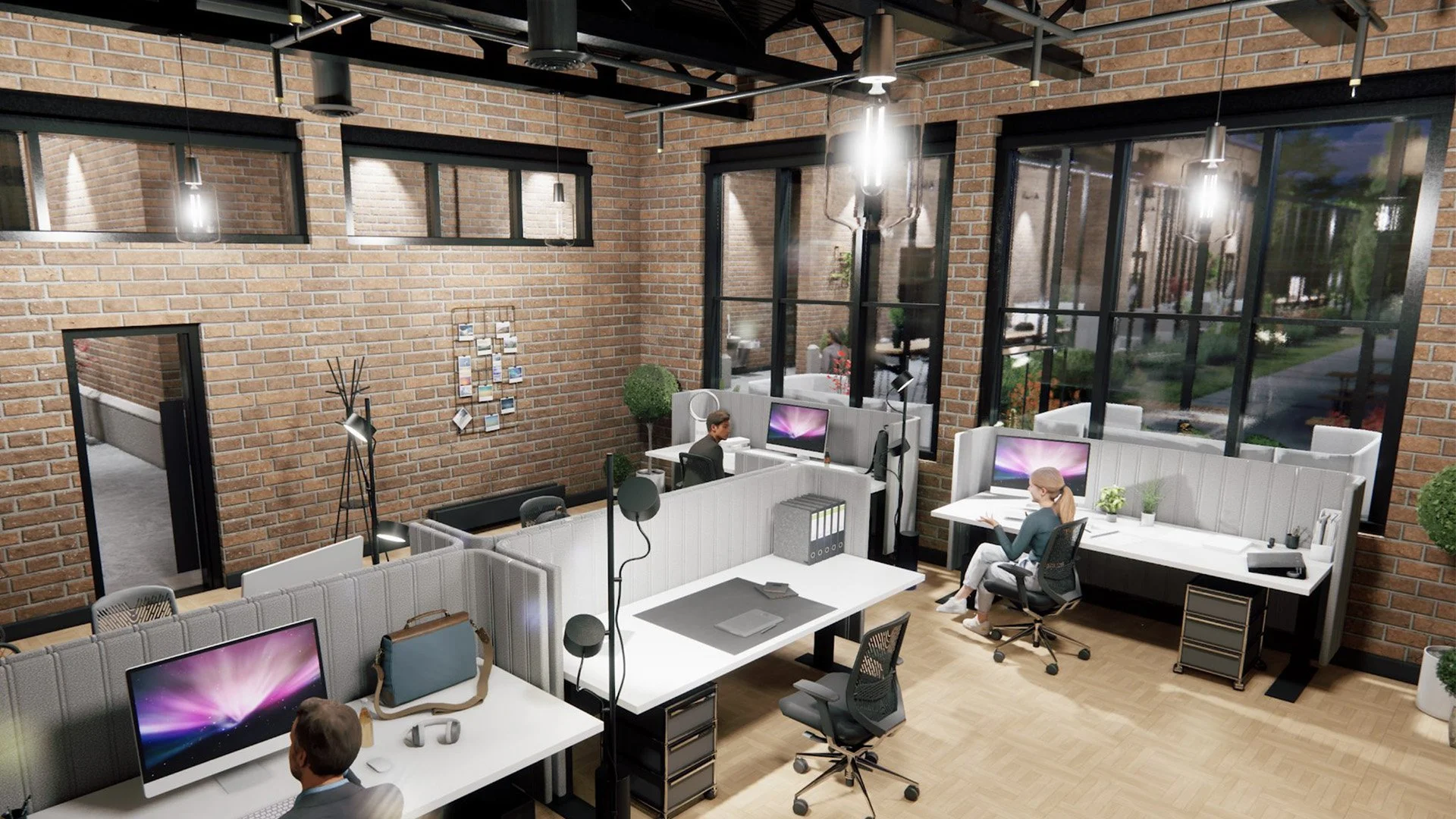
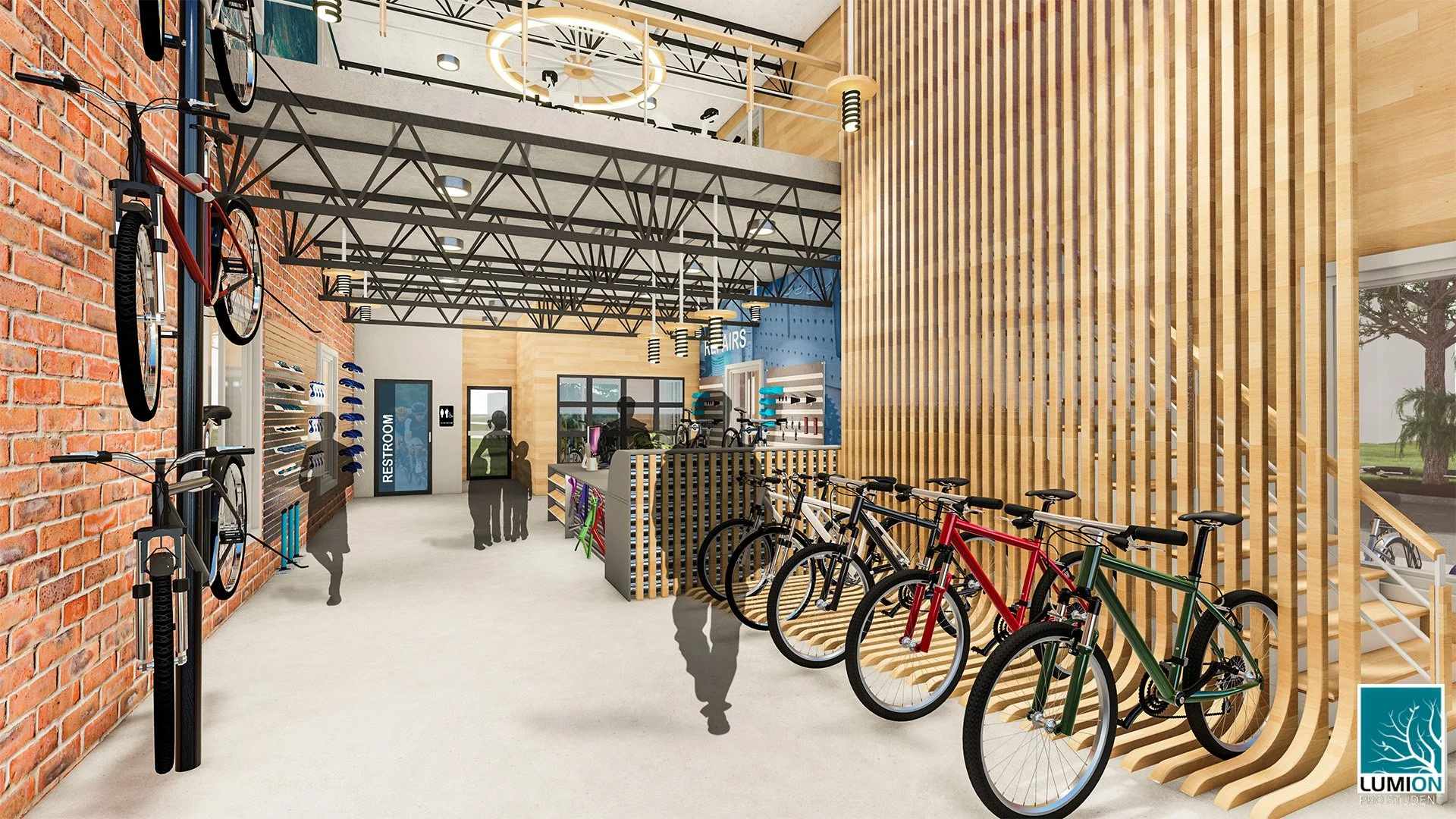
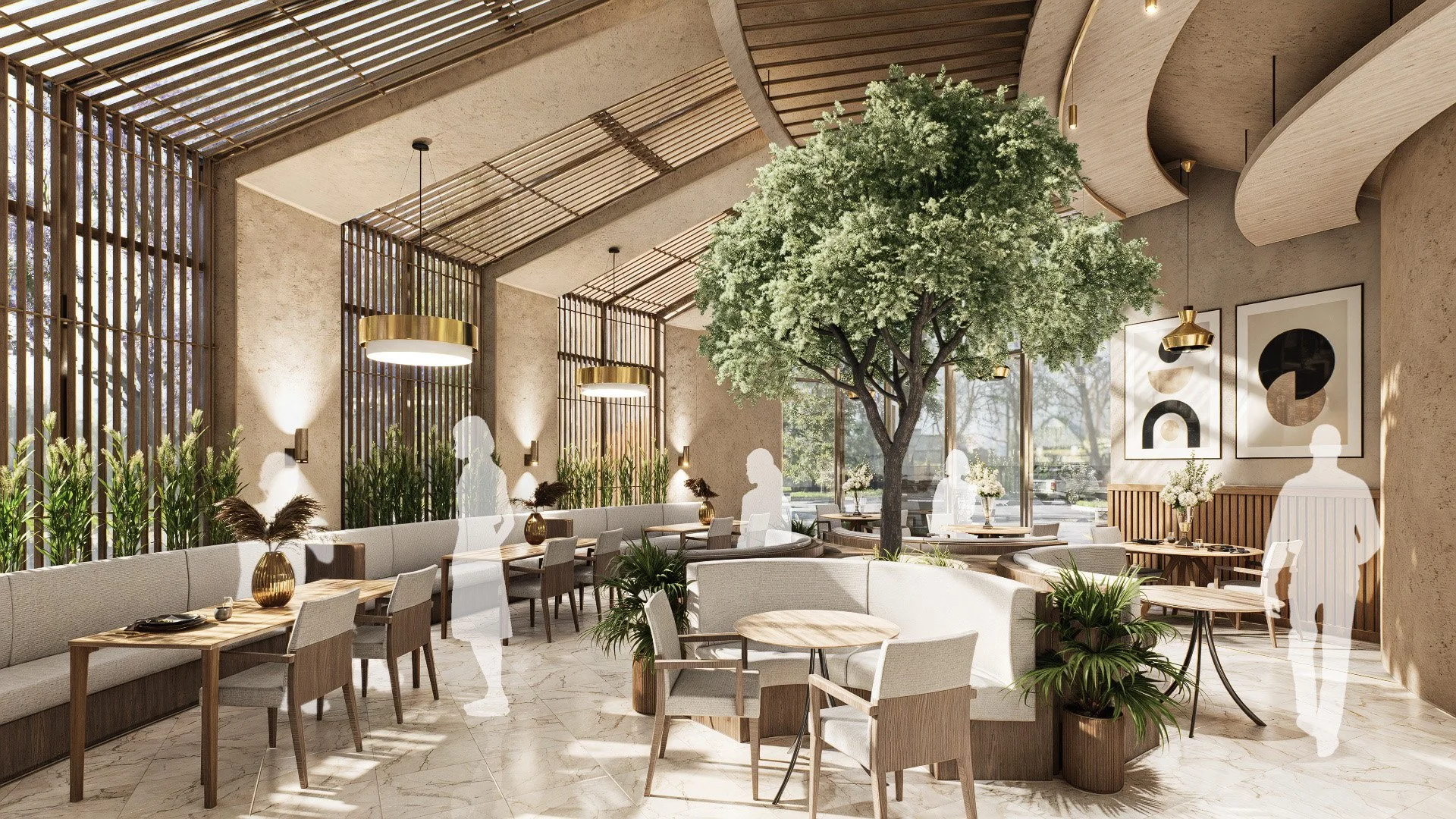
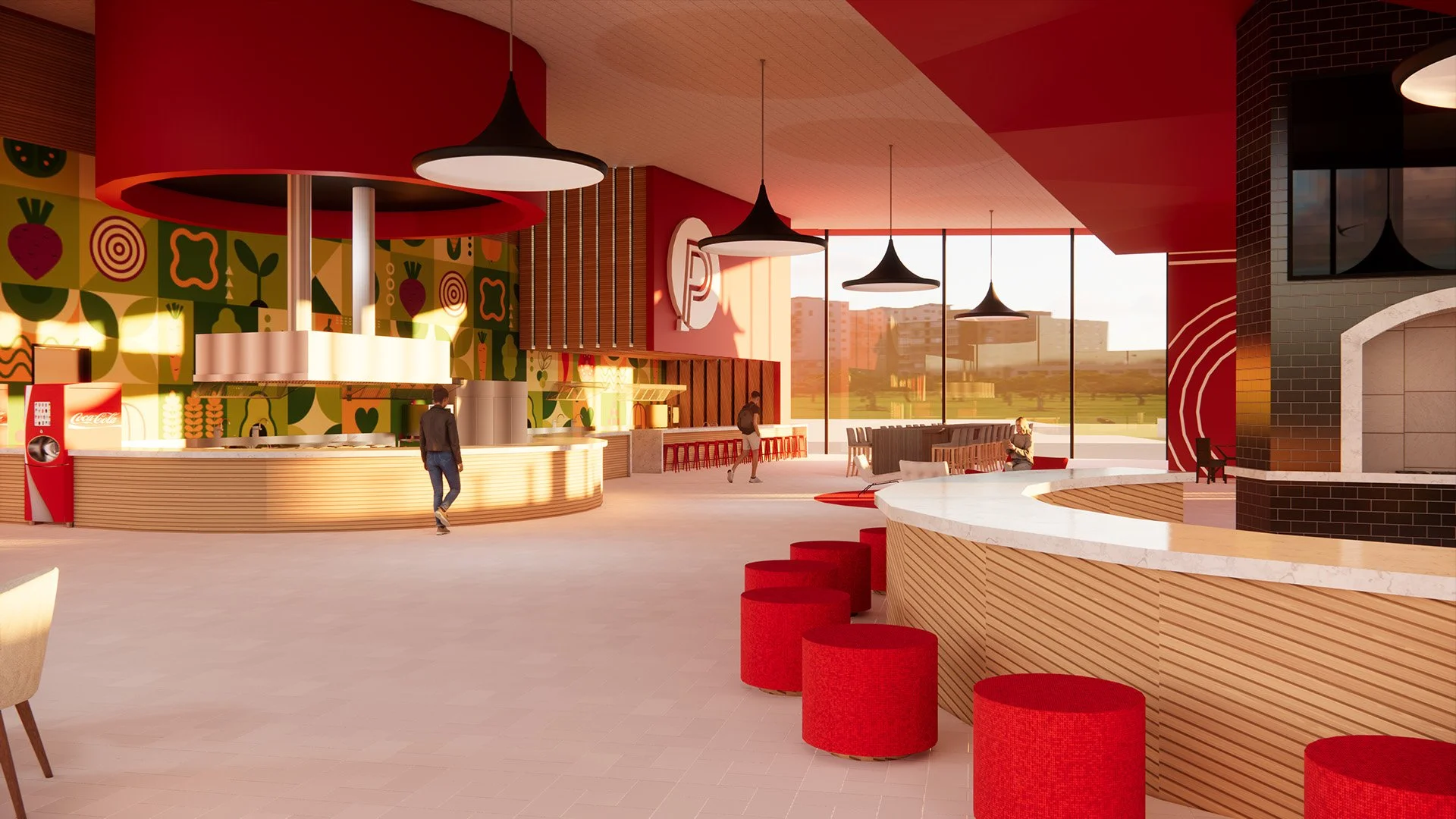
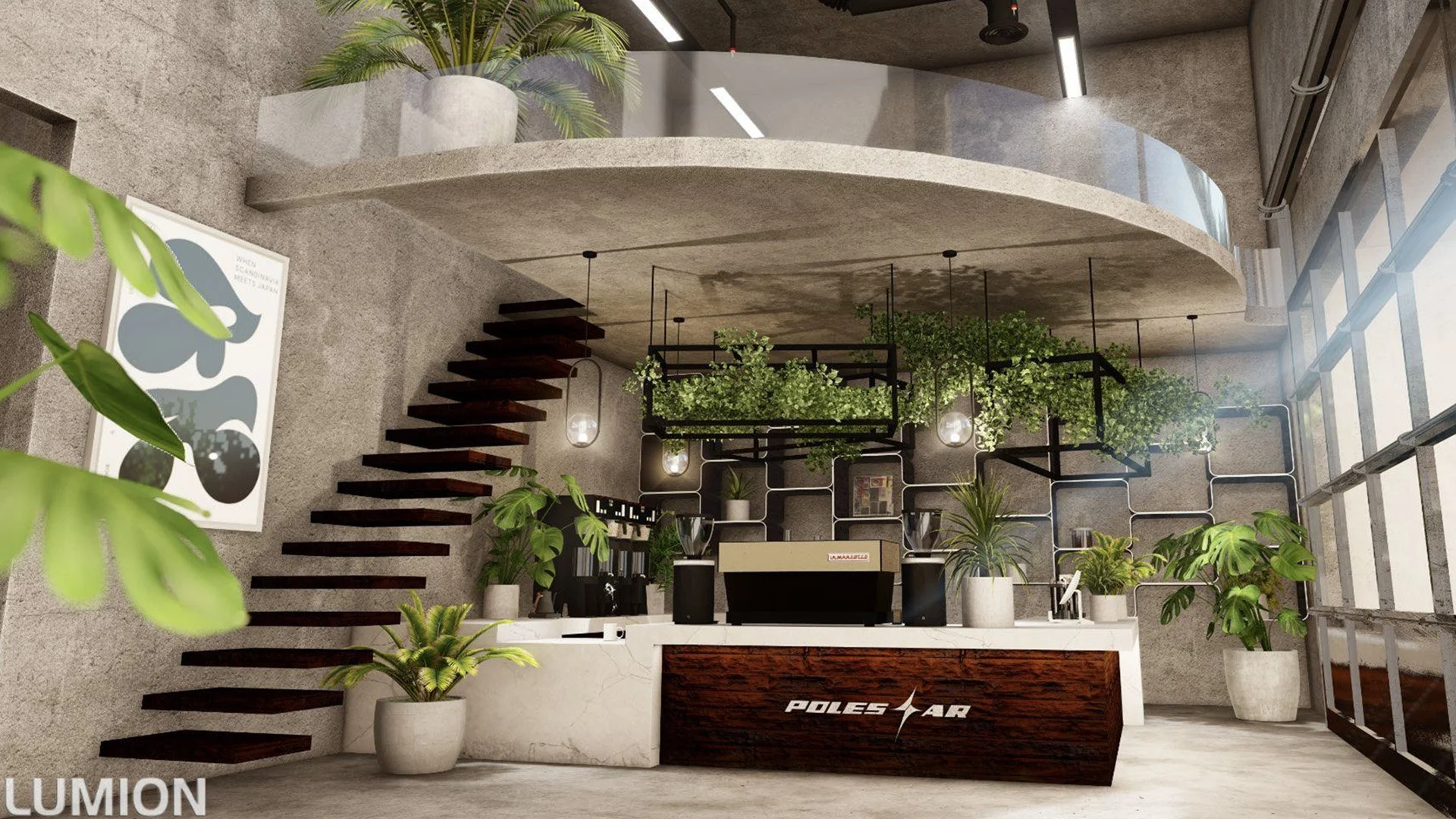
HEALTHCARE & WELLNESS DESIGN
What if your creativity could improve someone's life?
Imagine walking into a children's hospital and finding an environment that makes a frightened child feel a little less afraid.
Imagine redesigning a medical clinic so patients can find their way more easily, nurses can work more efficiently and families have comfortable places to wait.
Or imagine creating a senior-living environment that feels less institutional and more like home.
That's healthcare and wellness design.
These designers combine creativity, human-centered design, space planning, products, technology and an understanding of human behavior to create environments that support health, healing, accessibility, dignity and well-being.
It's a career for creative students who want to do more than make things look good.
They want to make things better for people.
An Industrial and Innovative Design degree from Cedarville University, in partnership with the International Center for Creativity (ICC), prepares you for a career in Health & Wellness Design.
Student Project Gallery
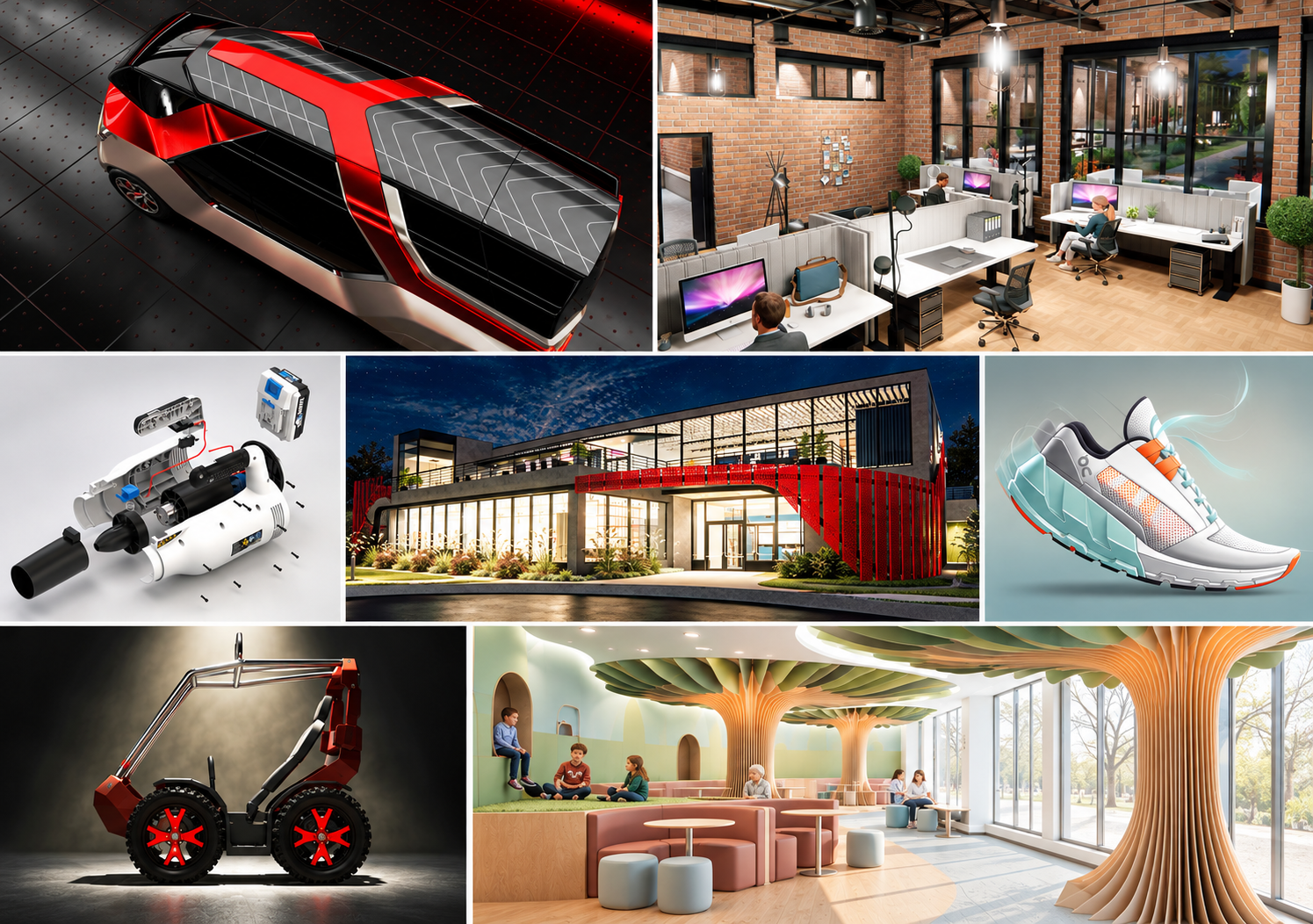
Throughout the academic year and during summer internships, students and staff at the International Center for Creativity (ICC) engage in hands-on design projects that bridge the gap between classroom learning and professional practice. Some projects are sponsored by industry partners, while others are carefully developed classroom experiences designed to replicate the challenges and expectations of the professional design world.
Each project follows a structured design process, beginning with a design brief and progressing through research, ideation, concept development, prototyping, and final presentation. With real deadlines, defined deliverables, and professional expectations, these experiences closely mirror the day-to-day responsibilities of an industrial designer—preparing students with the technical skills, creative problem-solving abilities, and professional confidence needed to succeed in their careers.
Explore Student Projects to discover not only the final design solutions, but also the creative thinking, exploration, and iterative process that brought them to life.
Senior Capstone Spotlight
Senior students in the Industrial and Innovative Design major bring together their acquired skills, creativity, and problem-solving abilities through a semester-long capstone project. These projects challenge students to explore a diverse range of design opportunities, applying research, human-centered design principles, and innovative thinking to develop thoughtful solutions to real-world challenges.
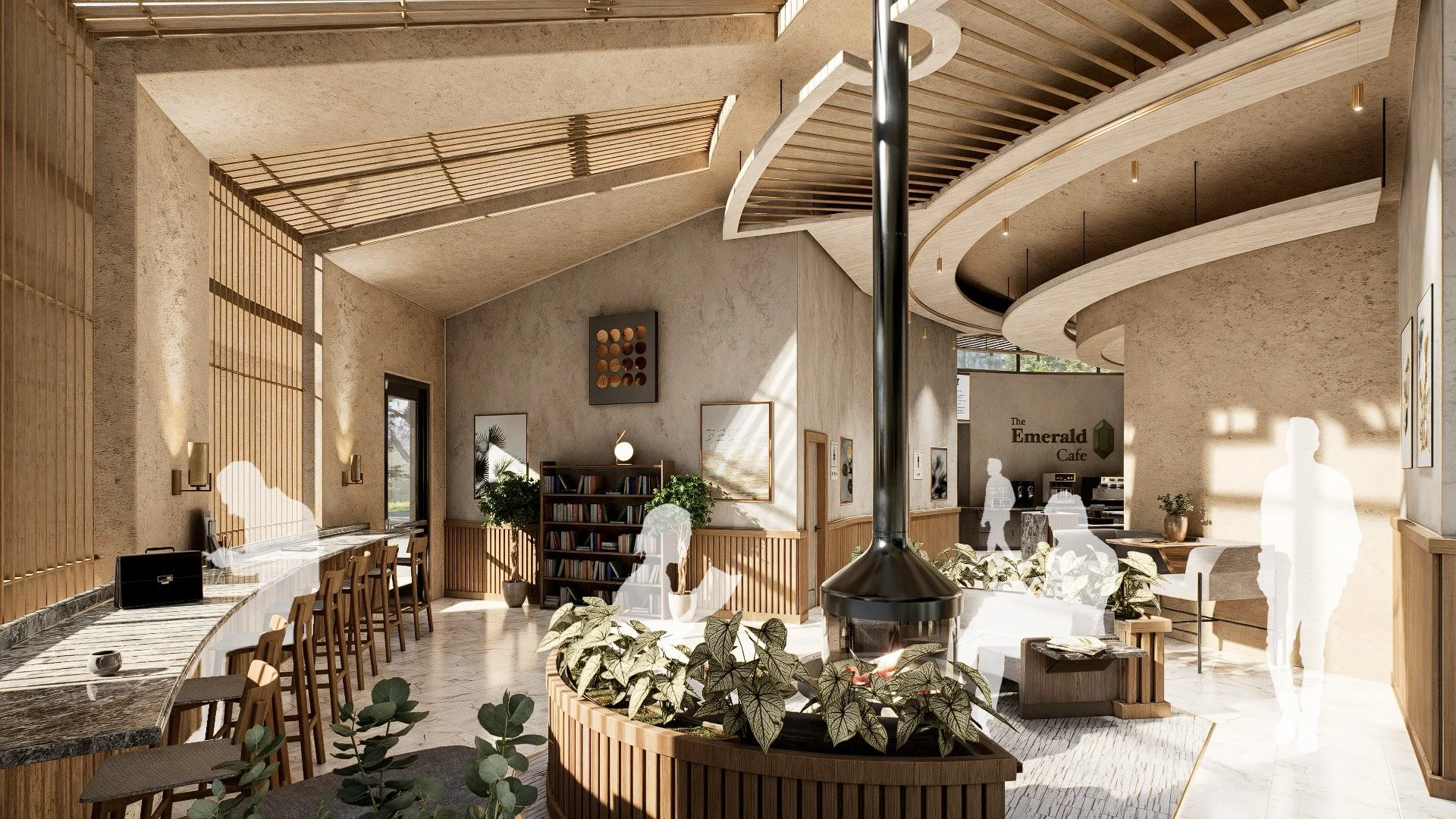
The video above showcases Aaron Cox’s senior capstone project, The Emerald Café: A Community Hub for Connection and Productivity. This project demonstrates how thoughtful interior and architectural space design can bring people together, foster collaboration, and create an inviting environment that balances social interaction with productivity.
Real-World Projects. Real-World Experience.
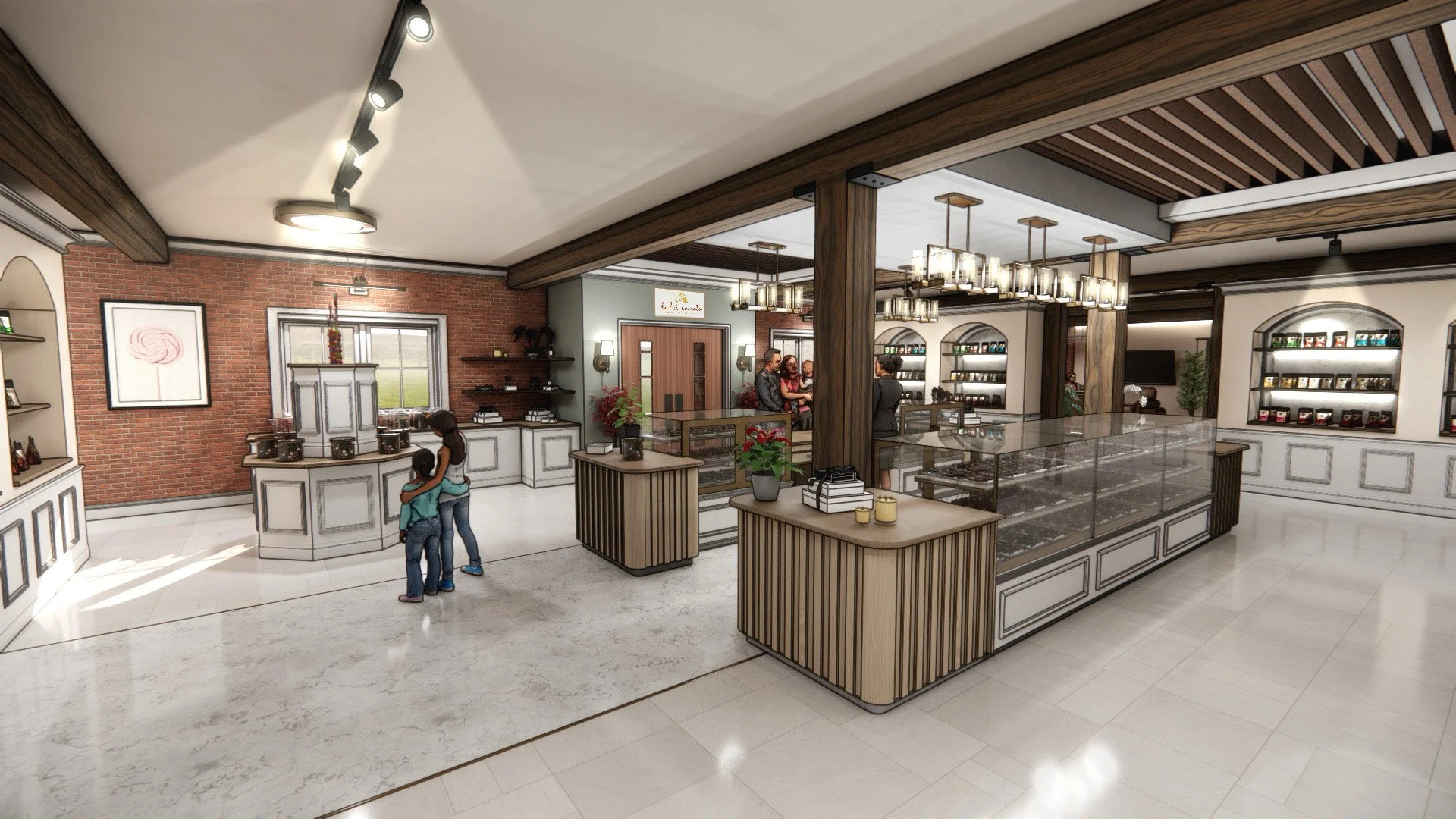
At the International Center for Creativity (ICC), experiential learning goes beyond the classroom. Students collaborate with real businesses and organizations to tackle authentic design challenges, gaining valuable hands-on experience while developing creative solutions that make a meaningful impact.
One example is ICC’s project with Dulci Sweets in Ashland, Ohio, where senior Industrial and Innovative Design students explored architectural spaces, interior design, and customer experiences to help shape a local business expansion and contribute to community revitalization.
Read the Full Story: Dulci Sweets’ Expansion Helps Revitalize Ashland
ICC Grad Talk
Where are they now? Catch up with ICC graduates and discover where their creativity has taken them. These videos highlight their careers, accomplishments, and experiences since graduation—and offer a glimpse into the many paths an ICC education can inspire.
In this interview, Alyssa (Vandegrift) Hawkins shares insights from her work as the director of graphics at Hub+Weber Architects. She discusses best practices for rendering composition, the software tools she uses in her workflow, and several recent architectural projects she has contributed to. Alyssa also offers practical advice and encouragement for current students preparing to enter the architectural design industry.
Two Campuses. One Exceptional Student Experience.

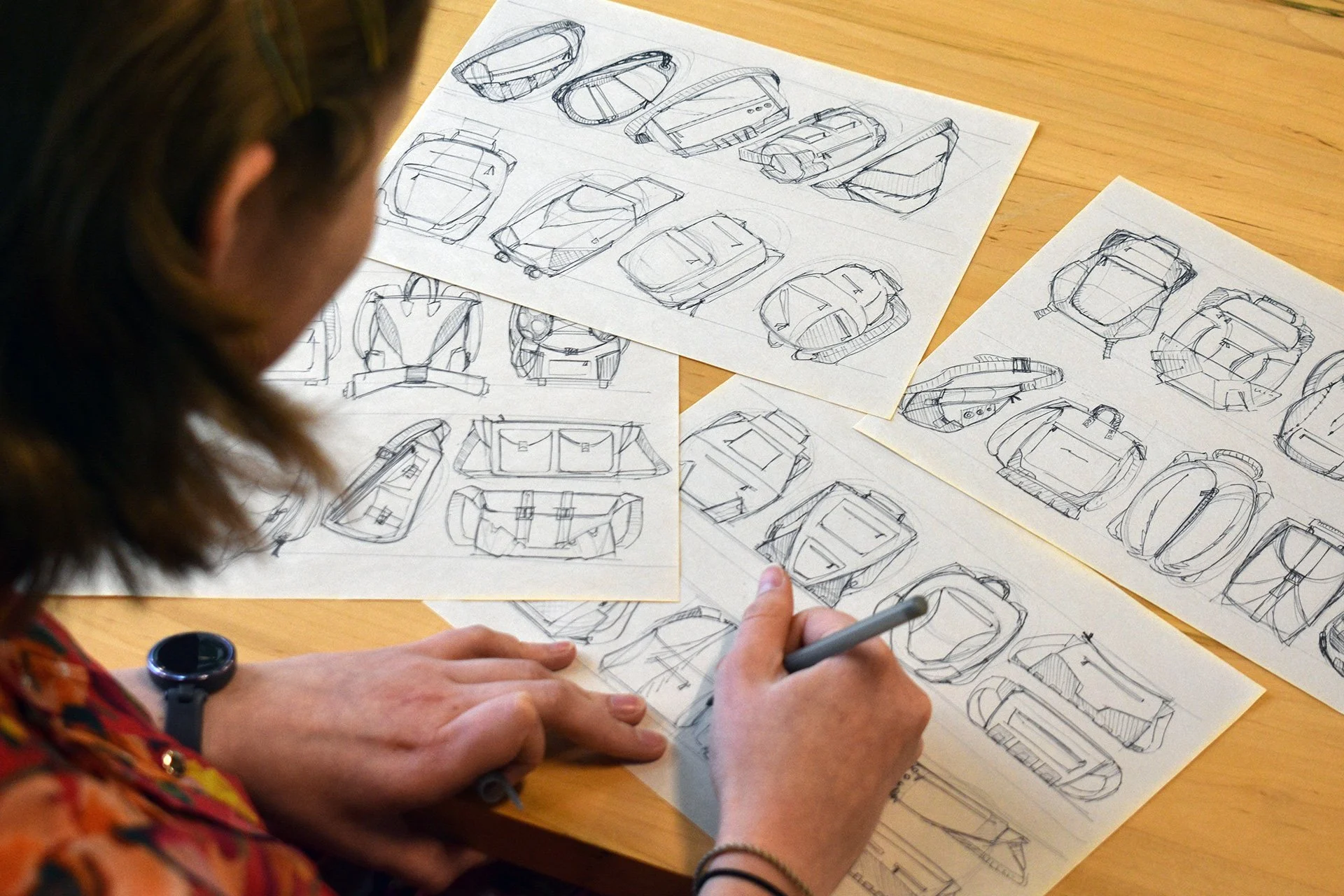
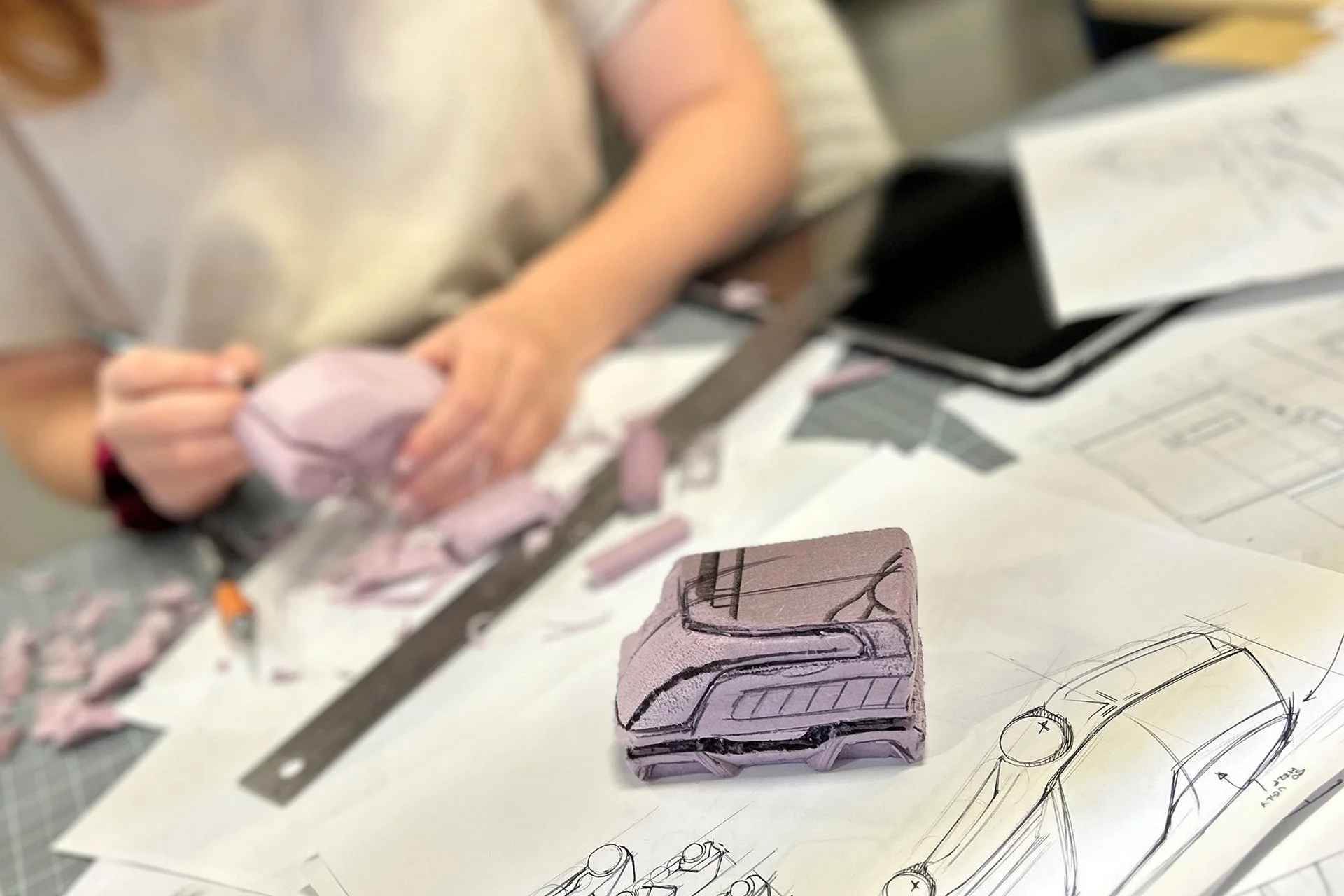
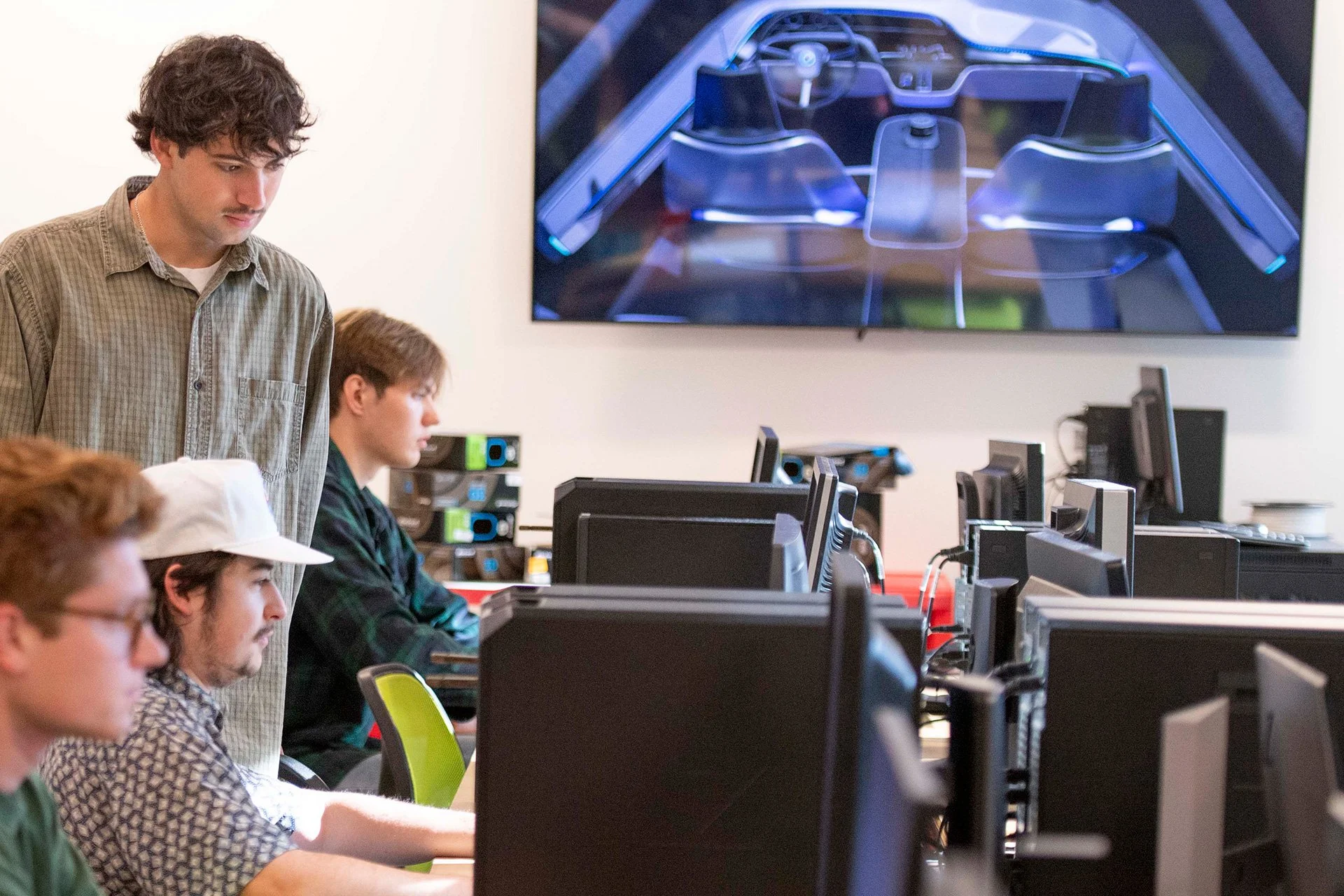
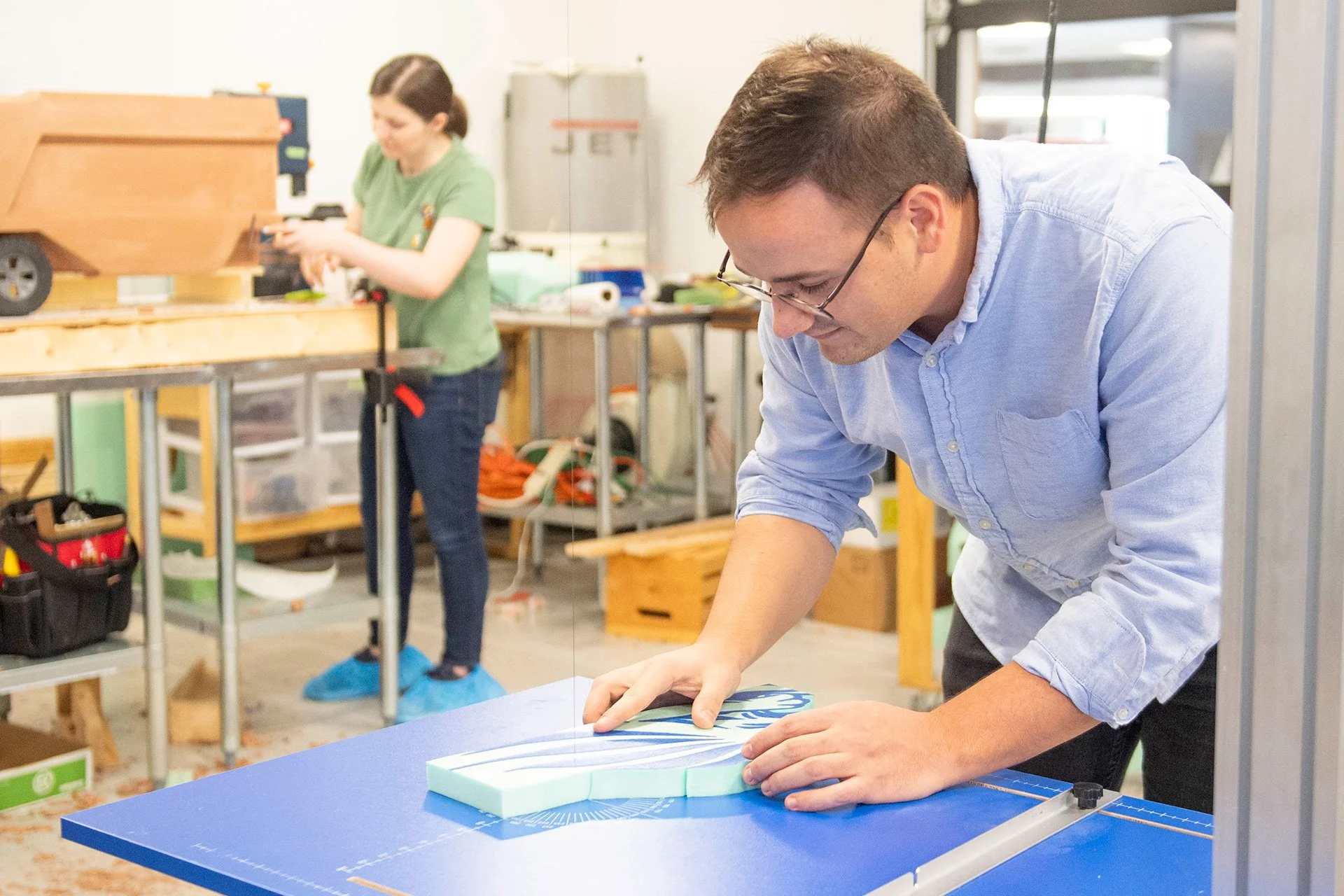
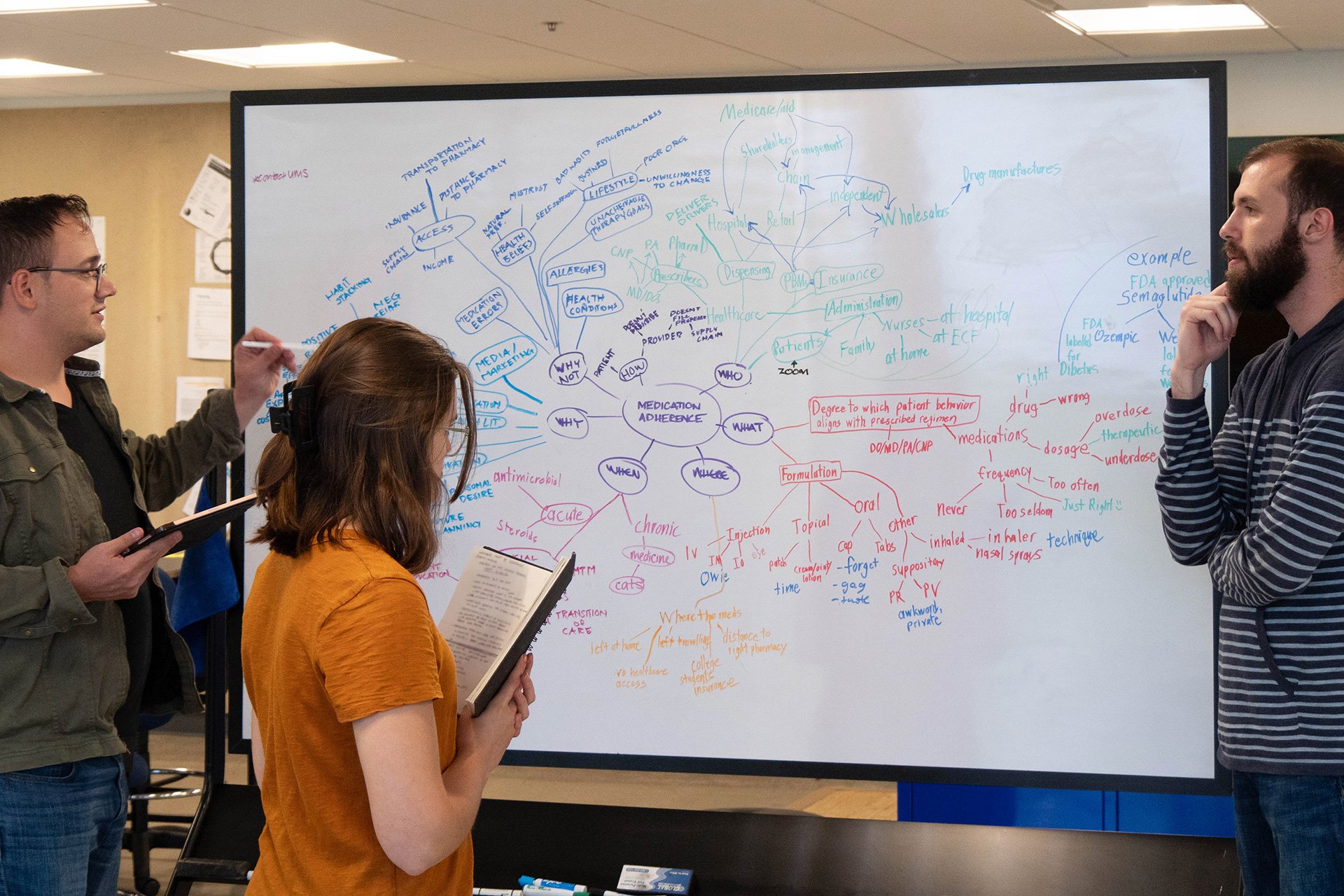
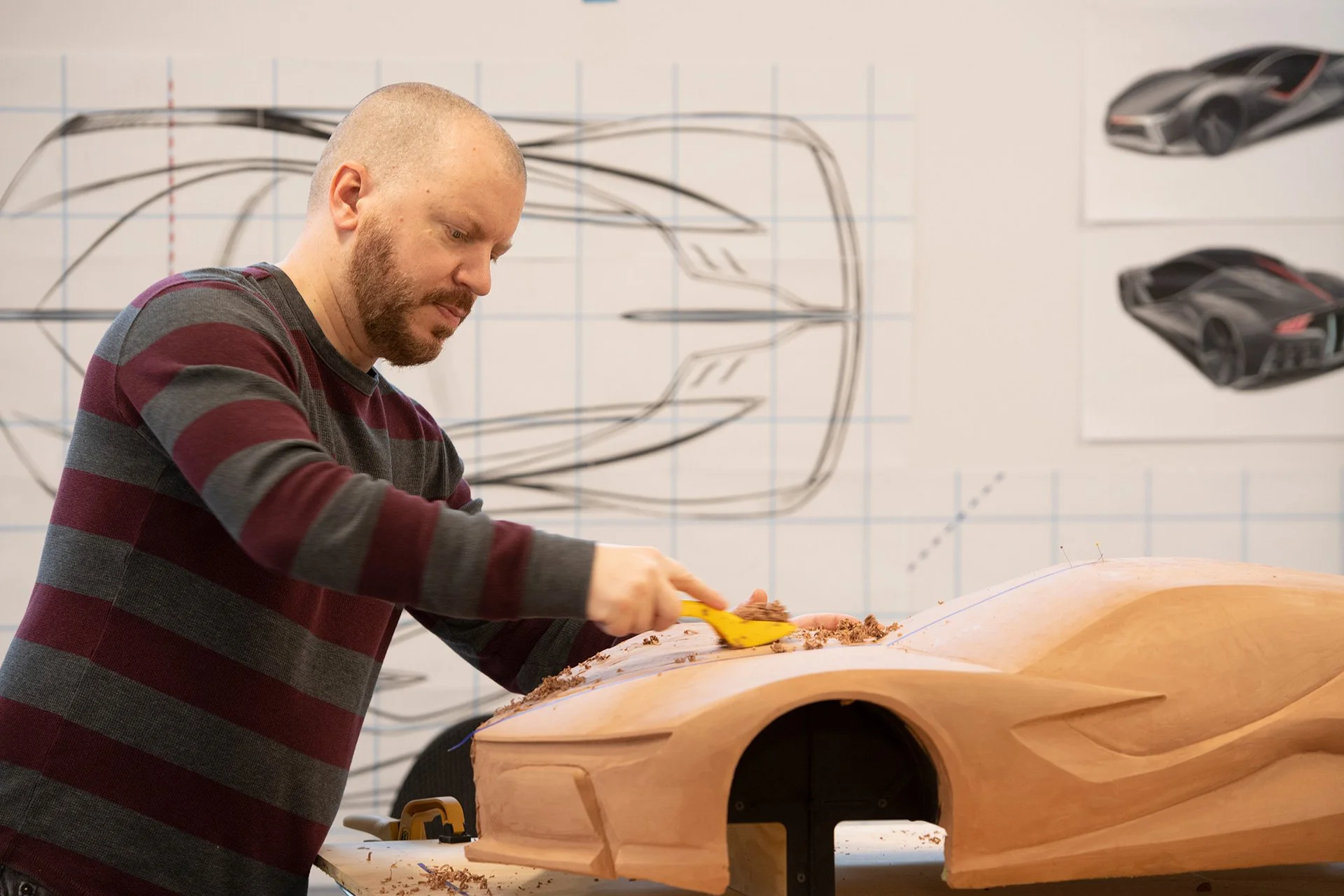
Students in the Industrial and Innovative Design program enjoy the best of both worlds through a unique four-year college experience. The first two years are spent on Cedarville University's campus in Cedarville, Ohio, building a strong academic foundation while enjoying traditional college life and a vibrant campus community. The final two years take place at the ICC Innovation Campus in Dublin, Ohio, where students immerse themselves in a collaborative, studio-based learning environment focused on creativity, innovation, and real-world design challenges.
Together, these two distinct experiences offer an exceptional blend of campus life, meaningful relationships, hands-on learning, and professional preparation.

Discover Where Our Graduates Are Making an Impact
From innovative startups to leading companies across a wide range of industries, ICC graduates are putting their creativity and design skills to work. Connect with our students and alumni on LinkedIn to explore their career journeys, discover the exciting places they're working, and see how they're impacting the world.
Simply search for “International Center for Creativity” on LinkedIn or visit our company page to connect with our community and discover where an ICC education can take you.
Explore the International Center for Creativity on LinkedIn →
What kinds of places could you design?
Healthcare and wellness designers work across an enormous range of environments:
Hospitals • children's hospitals • medical offices • outpatient clinics • urgent-care centers • rehabilitation facilities • physical-therapy centers • behavioral-health environments • dental offices • senior-living communities • assisted-living facilities • memory-care environments • wellness centers • fitness facilities • spas • community health centers • pharmacies • medical research environments • healthcare innovation centers • recovery spaces
Increasingly, healthcare design also reaches beyond the traditional medical building into home healthcare, aging-in-place environments and technology-enabled wellness spaces.
Designers may work for architecture and interior-design firms, healthcare systems, specialized healthcare-design consultancies, medical-product manufacturers, furniture companies, senior-living developers, design-build firms or innovation consultancies.
And because healthcare environments contain thousands of designed objects, some professionals move fluidly between space design and medical-product design.
That's an area where an industrial-design education becomes particularly powerful.
What Does a Healthcare Designer Actually Do?
Healthcare designers begin by understanding people.
Consider something as seemingly simple as a hospital waiting room.
Who uses it?
Patients.
Parents.
Children.
Older adults.
People using wheelchairs or walkers.
Someone who may be anxious.
Someone receiving difficult news.
Healthcare professionals moving quickly between responsibilities.
The designer has to ask:
How should people move through this space?
Is it easy to understand where to go?
Can someone with limited mobility use it comfortably?
Does the environment provide appropriate privacy?
Can surfaces be cleaned effectively?
Does the lighting help or hinder?
How can the environment reduce stress?
How does the space affect the people who work there every day?
The designer isn't merely decorating a room.
They're solving human problems through design.
The Healthcare Designer's Toolkit
Healthcare and wellness designers need a sophisticated combination of creative, technical and human-centered skills.
Hard skills may include rapid sketching and ideation, space planning, floor-plan development, perspective drawing, 2D and 3D CAD, Revit/BIM, digital modeling, rendering and visualization, materials and finishes, lighting concepts, furniture and fixture selection, ergonomics, human factors, accessibility, wayfinding, prototyping, research and professional presentations.
Depending upon the role, designers may work with Revit, AutoCAD, SketchUp, SolidWorks, Adobe Creative Cloud, digital drawing applications, visualization/rendering software, VR/AR and AI-assisted design tools.
Healthcare also demands an awareness of specialized considerations such as accessibility, infection control, safety, privacy, workflow, durability, ergonomics and the needs of different patient populations. Architects and other regulated professionals remain responsible for areas requiring professional licensure.
But technical ability is only half of the equation.
Some of the most important skills can't be measured by how well someone operates software.
Healthcare designers need empathy, listening, observation, curiosity, communication, collaboration, patience, ethical judgment, creative problem-solving, adaptability and the ability to work effectively with people from very different disciplines.
They may collaborate with patients, families, doctors, nurses, therapists, administrators, architects, engineers, contractors, medical-product designers and researchers.
In healthcare design, listening well can be every bit as important as drawing well.
How Is AI Changing Healthcare & Wellness Design?
AI gives tomorrow's designers new ways to investigate complicated problems.
Designers can use AI to help organize research, identify patterns, rapidly explore concepts, create early visualizations, compare alternatives and communicate ideas to clients and healthcare stakeholders.
Generative and computational tools can help teams investigate multiple approaches to space planning and other design problems based upon defined criteria and constraints.
AI can also help designers visualize ideas much earlier in the creative process—allowing healthcare professionals and users to respond to concepts before substantial time and money are invested in development.
But healthcare demonstrates especially clearly why human judgment remains essential.
AI doesn't genuinely understand what it feels like to be a frightened parent in an emergency department.
It doesn't experience limited mobility.
It doesn't know what it's like to work a 12-hour nursing shift.
And an attractive AI-generated image isn't necessarily safe, accessible, buildable, affordable or appropriate for patient care.
AI can accelerate exploration. Designers remain responsible for understanding people.
The future will belong to designers who can combine human empathy + creative judgment + professional knowledge + emerging technology.
Why ICC + Cedarville?
Because healthcare problems don't fit neatly into one design discipline.
A healthcare environment isn't simply a building.
It's an interconnected system of:
People + Space + Products + Furniture + Equipment + Lighting + Technology + Movement + Information + Emotion + Experience
That's precisely where Industrial & Innovative Design becomes such an interesting foundation.
ICC students don't study only spaces.
They study consumer products, transportation, architectural interior spaces and architectural exterior spaces, while developing capabilities in design thinking, consumer insights, rapid ideation, prototyping, 3D modeling, innovation, entrepreneurship, storytelling and professional presentation.
Think about a patient room.
A designer needs to consider the room itself, but also the bed, seating, storage, lighting, equipment, controls, surfaces, technology, caregiver workflow and family experience.
A rehabilitation environment includes spaces and products.
A senior-living environment combines architecture, furniture, lighting, wayfinding, accessibility, technology and human behavior.
Industrial designers are trained to see those relationships.
A University With Healthcare Expertise + A Design Program Built Around Innovation
This is where the ICC/Cedarville partnership becomes particularly distinctive.
Cedarville has established professional programs across healthcare and the health sciences, while ICC brings expertise in design thinking, innovation and human-centered creative problem-solving.
Those worlds are already intersecting.
When Cedarville developed its pioneering graduate concentration in Health Care Innovation, ICC President Jim Stevenson worked alongside faculty from Cedarville's School of Pharmacy to develop the curriculum. Cedarville described the program as connecting creativity and problem-solving to generate innovative solutions for healthcare challenges.
For a student interested in healthcare design, that's a powerful educational environment:
Design + Innovation + Healthcare + Human-Centered Problem Solving
The Best of Two Worlds
The partnership between the International Center for Creativity and Cedarville University gives Industrial & Innovative Design students an educational experience that's difficult to duplicate.
Students begin their college careers at Cedarville, experiencing the community of a traditional residential Christian university—residence life, friendships, athletics, student organizations, chapel, campus activities, academics and a vibrant campus environment.
Then, for their junior and senior design years, students transition to ICC's professional studios in Dublin, Ohio, within the greater Columbus design and business community.
Cedarville describes ICC's facilities as professional design studios where students gain the knowledge and skills needed for successful careers in 3D design.
It's the best of two worlds.
A vibrant, Christ-centered university experience + an immersive, career-intensive professional design education.
Students don't have to choose between the traditional college experience and specialized professional preparation.
They get both.
National Recognition. Personal Engagement.
Cedarville University has built a national reputation for rigorous academics, unusually strong student engagement, Christian community and career preparation.
The university has repeatedly ranked among the nation's leaders for student engagement. The Wall Street Journal ranked Cedarville No. 4 nationally for student engagement in its 2022 rankings, following earlier top-five placements. Student engagement measured students' experiences with professors, peers and their education—exactly the kind of personal interaction that matters in a studio-based design education.
And in 2026, Education Insider named Cedarville the Top Christian University, citing biblical integration, academic excellence and career outcomes. Among Cedarville's class of 2025, 98.3% were employed or enrolled in graduate school within six months of graduation.
ICC's Industrial & Innovative Design program has achieved national recognition of its own.
The program is ranked No. 5 nationally in College Values Online's ranking of bachelor's degrees in industrial design, with Cedarville appearing alongside schools including Georgia Tech and Carnegie Mellon. Cedarville is the only Ohio university in the current Top 10 and the only evangelical Christian institution represented there.
That's a compelling combination:
A nationally recognized Christian university + a nationally ranked professional design program.
Learn Design Where Design Happens
ICC students complete their upper-level design education in Dublin, Ohio, within the greater Columbus metropolitan area.
That provides access to a major ecosystem of healthcare organizations, corporations, architecture and design firms, manufacturers, technology companies, consultancies and entrepreneurs.
ICC describes the Columbus experience as providing students access to professional engagement and internship opportunities while maintaining the small classes, biblical integration and academic standards of their Cedarville education.
And the professional connection isn't theoretical.
ICC's annual Recruitment Day brings employers directly into the studio to meet junior and senior students about internships and careers. The 2026 event included companies spanning architecture, consumer brands, manufacturing and professional design.
The transition to Dublin is intentionally more than adding a new campus.
It's a transition toward professional life.
Real Problems. Real People. Real Impact.
Healthcare design isn't just another aesthetic specialization.
It asks designers to solve problems where the outcome can genuinely affect people's lives.
ICC students have already demonstrated that mindset.
In one project, Industrial & Innovative Design seniors investigated the challenge of reducing emergency-response times in rural communities. Students developed autonomous ambulance concepts around a real-world first-responder problem, applying design research and transportation design to an issue with potentially life-saving consequences.
That project demonstrates something central to ICC's philosophy:
Start with the problem—not the object.
Ask who needs help.
Understand their experience.
Generate possibilities.
Prototype ideas.
Test them.
Improve them.
That's the same human-centered mindset at the heart of healthcare design.
Our Students Are Learning to Compete Professionally
ICC students regularly present their work before professional designers.
ICC's educational model deliberately simulates professional practice, with students building portfolios and presenting solutions rather than simply completing assignments.
Active professionals also teach within the program. ICC emphasizes bringing practicing designers into its classrooms so students learn not only foundational design principles but also current professional practice.
For parents, that's an important distinction.
The goal isn't simply to earn a design degree.
It's to graduate prepared to become a designer.
Could Healthcare & Wellness Design Be Your Career?
Maybe you're fascinated by architecture and interiors—but you also care deeply about people.
Maybe you're interested in healthcare but don't see yourself becoming a doctor or nurse.
Maybe you love art, science and technology and have wondered whether there's a career where those interests can come together.
Maybe you're the person who notices when an environment is confusing, uncomfortable or inaccessible—and immediately starts imagining how it could work better.
Maybe you want your creativity to accomplish something meaningful.
It can.
At Cedarville University and the International Center for Creativity, you'll build traditional design fundamentals while developing capabilities in human-centered problem-solving, research, visualization, hands-on making, digital technology, professional collaboration and emerging tools such as AI.
You'll begin with the community and energy of a vibrant Christian university.
Then you'll transition into an immersive professional design environment where the emphasis increasingly becomes your skills, your portfolio and your career.