
Home >> Industrial & Innovative Design >> Interior Architectural Space Design >> Career Path: Furniture, Fixtures & Lighting Design
Design the Things That Make a Space Work, Feel and Come Alive
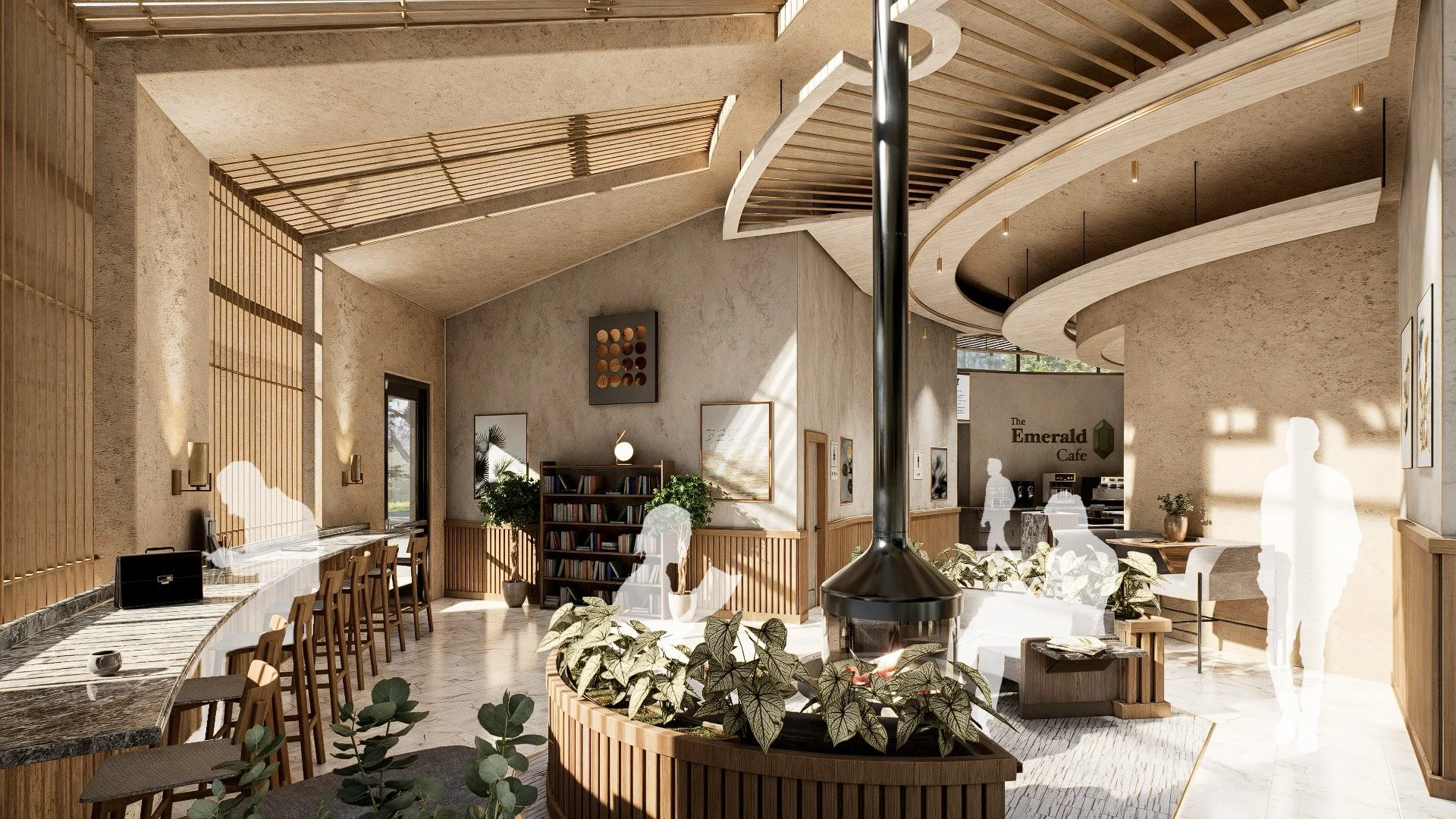
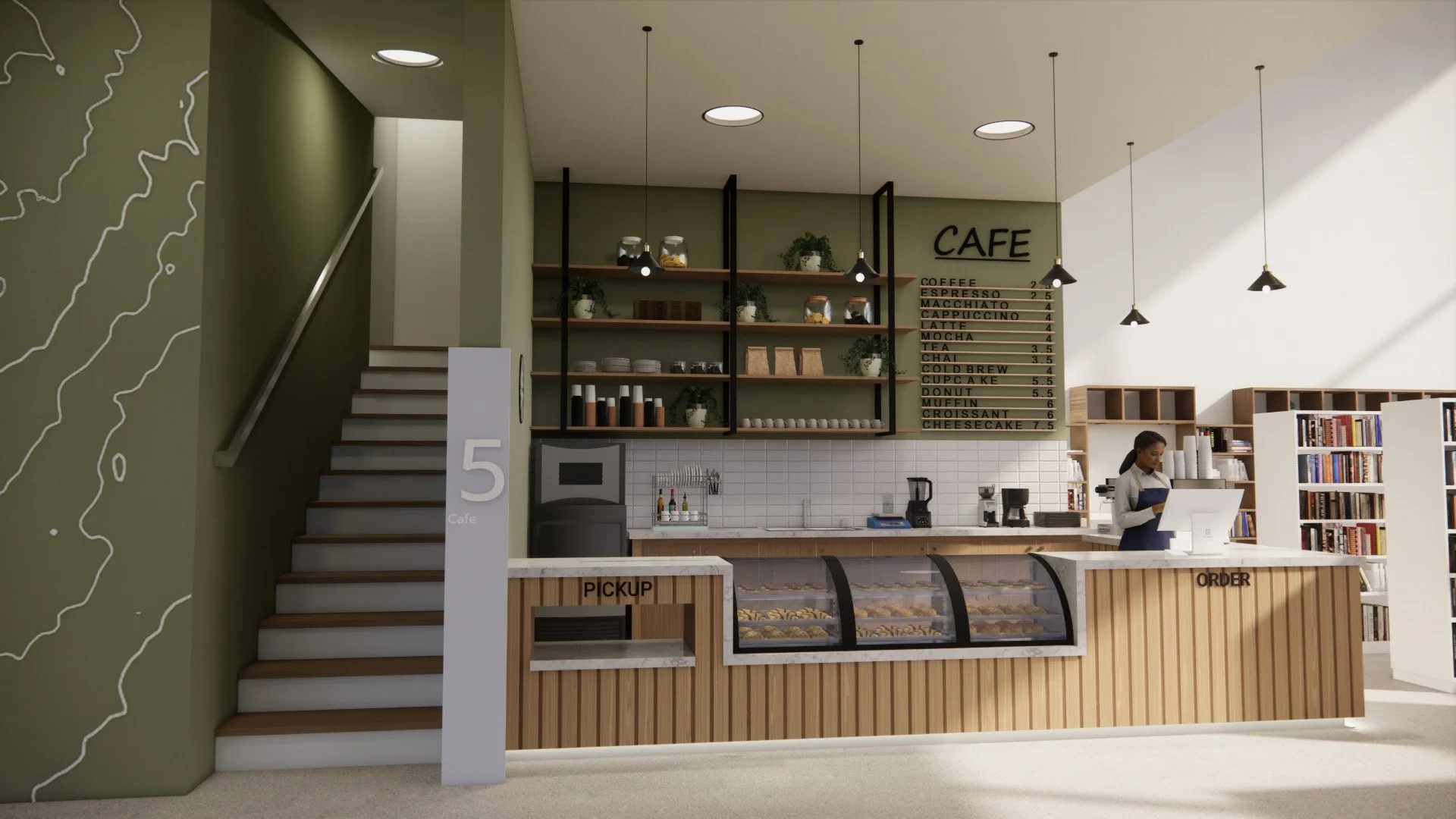
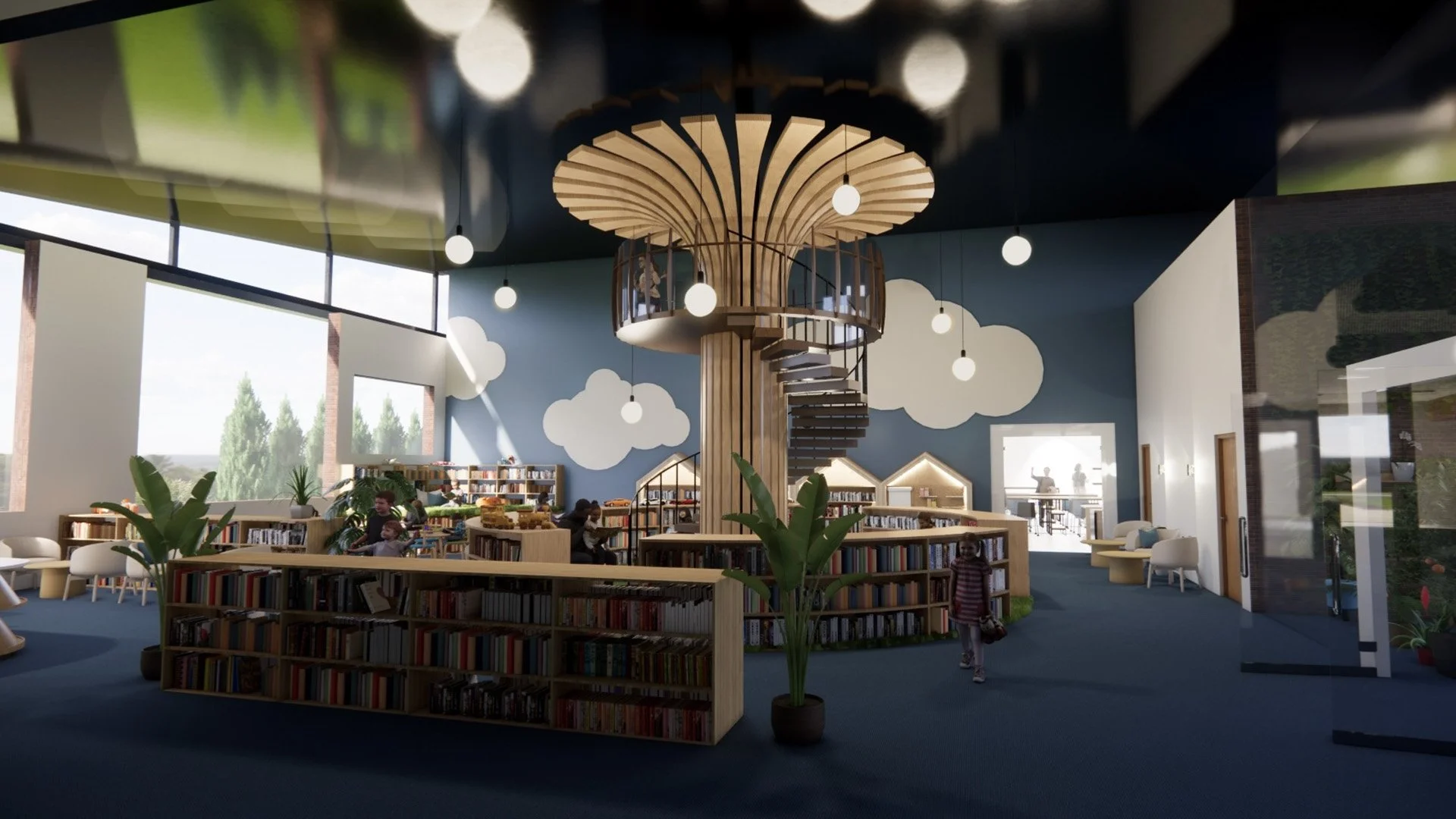
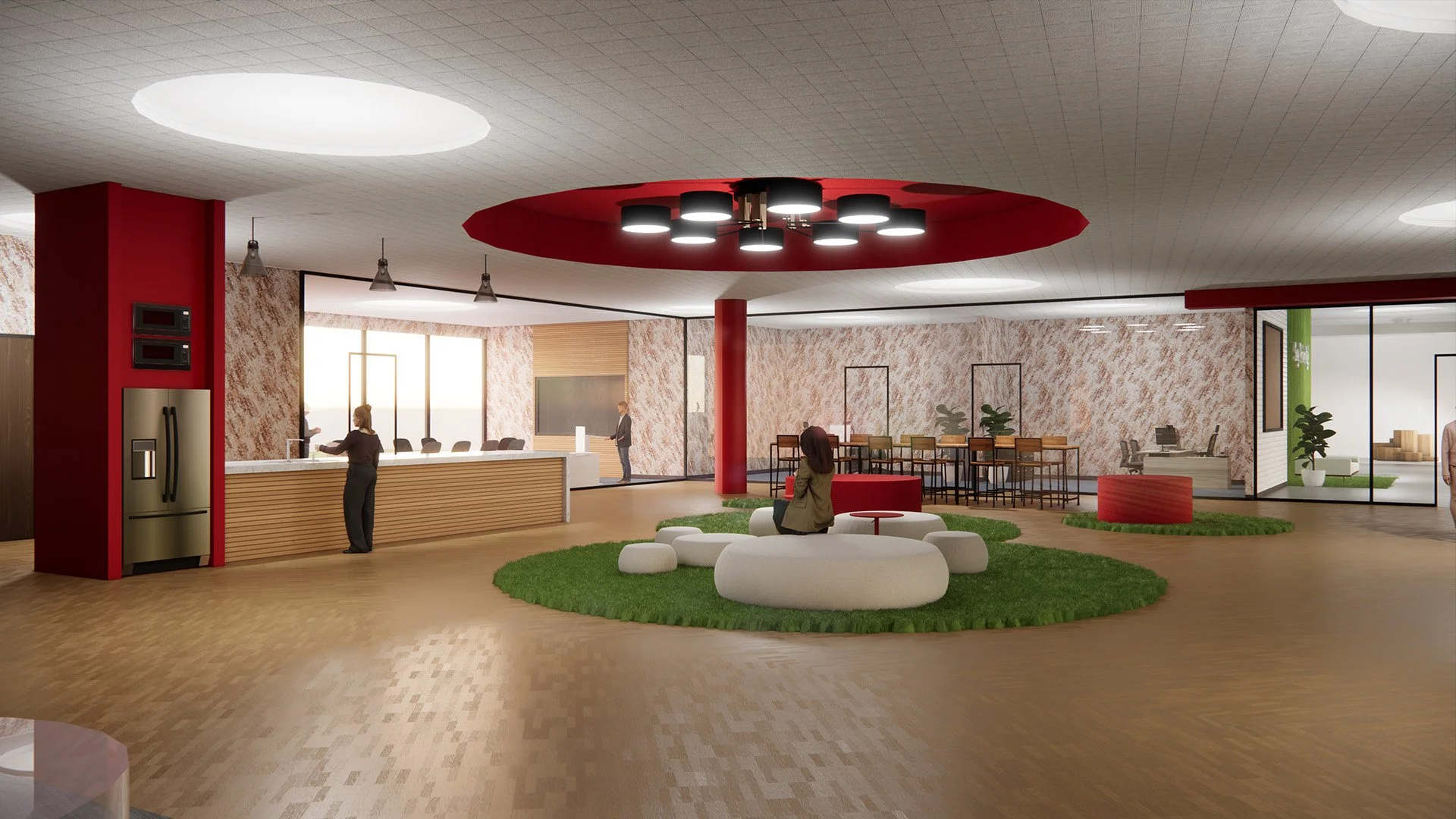
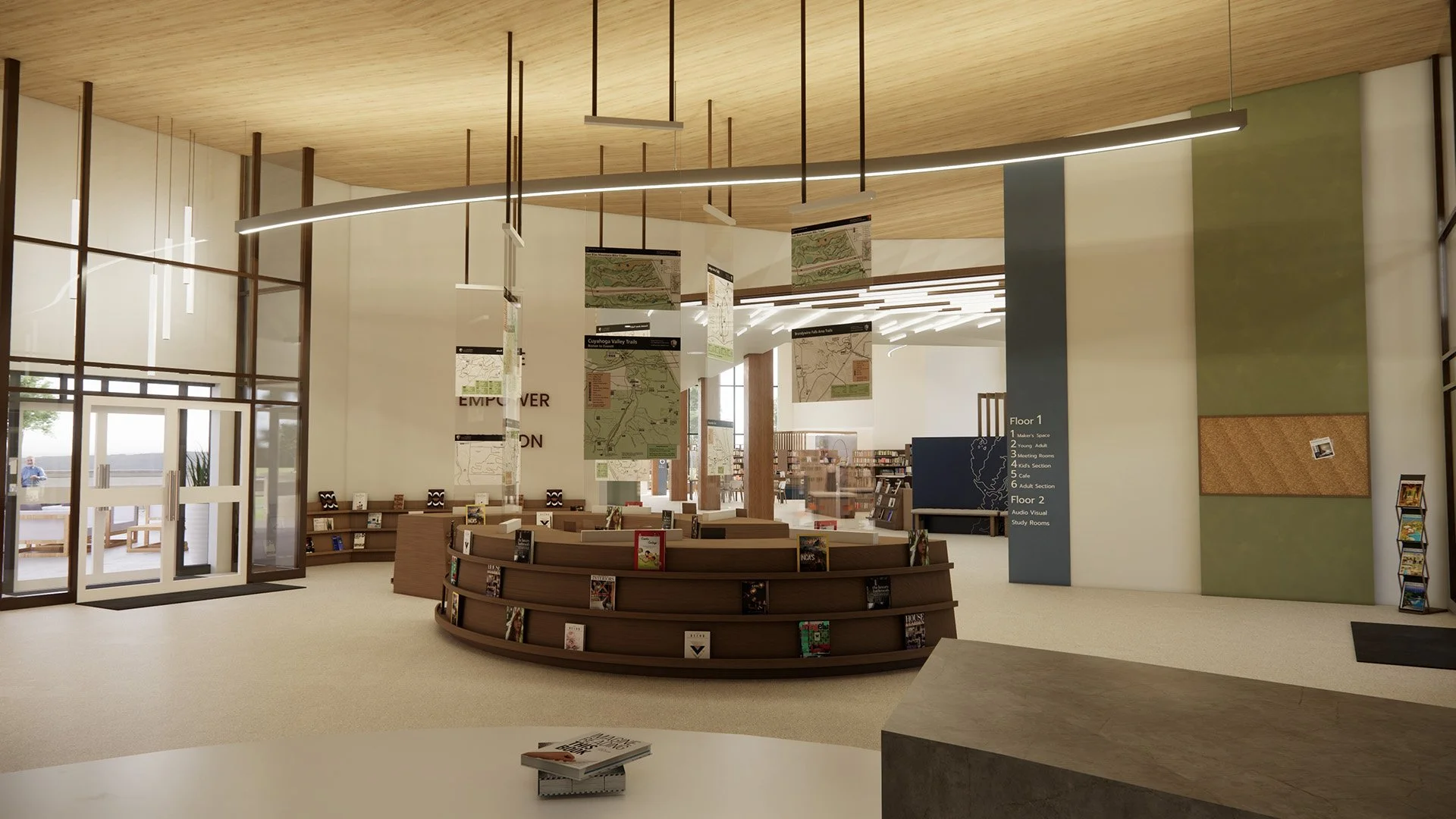
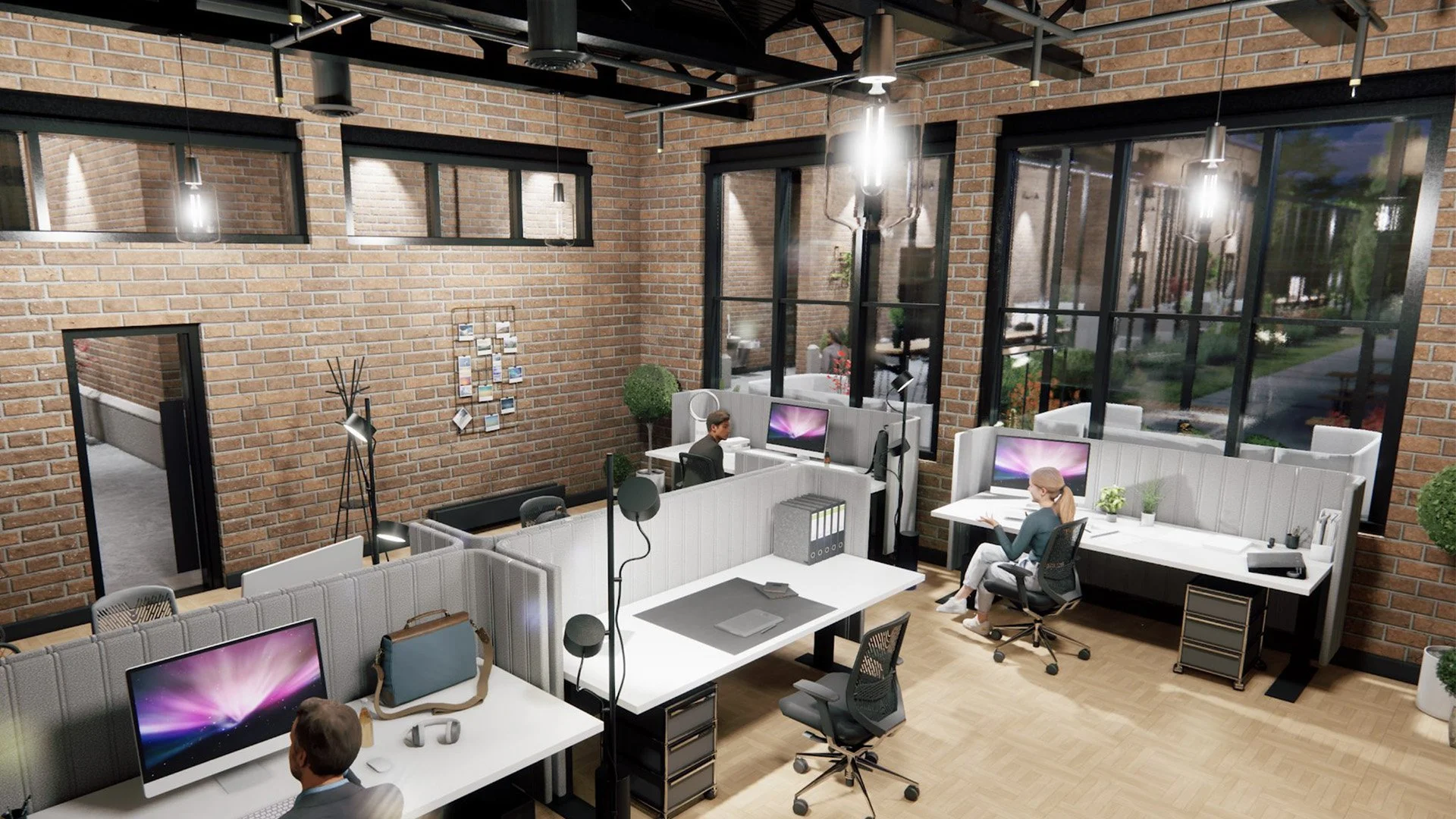
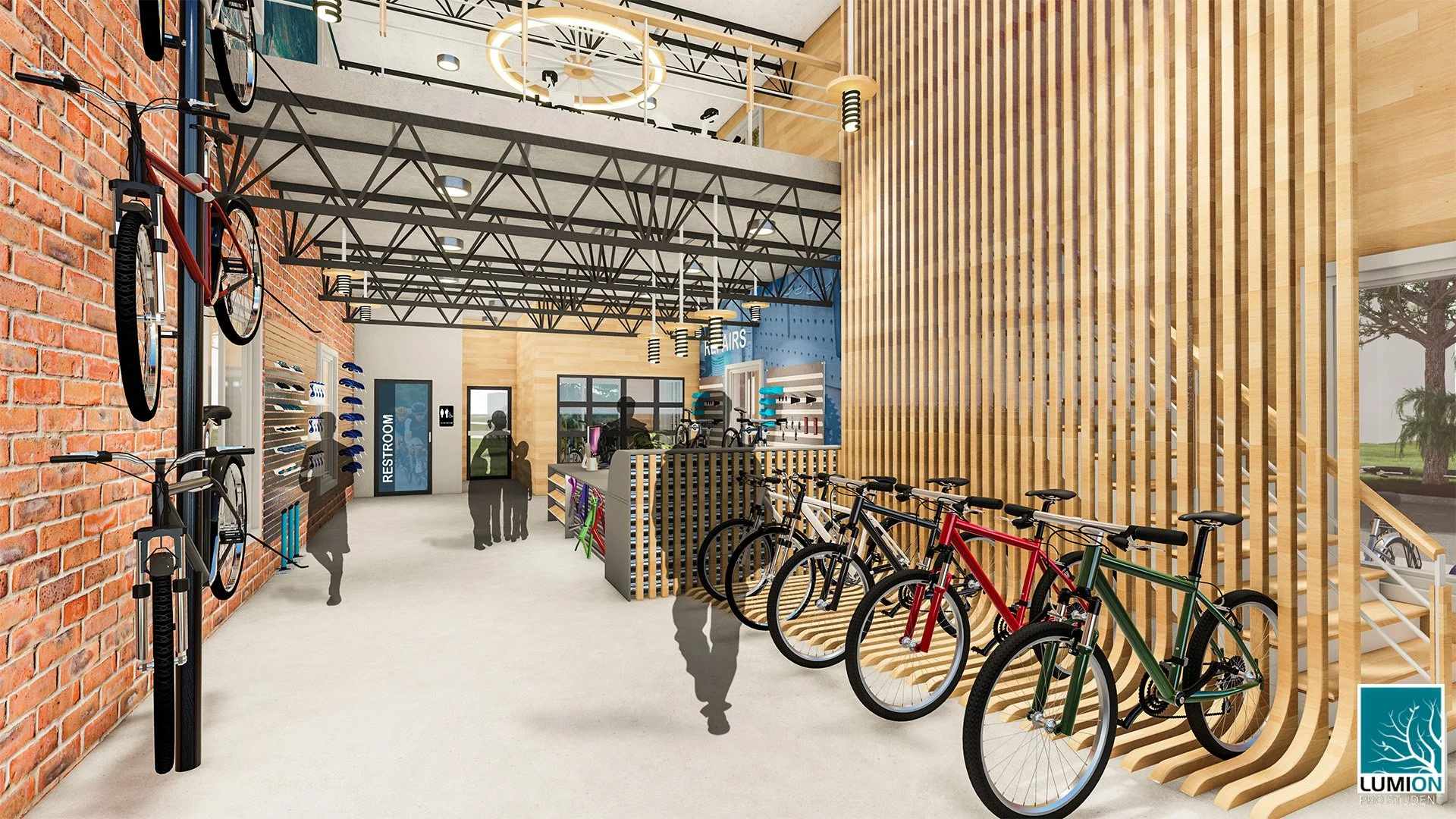
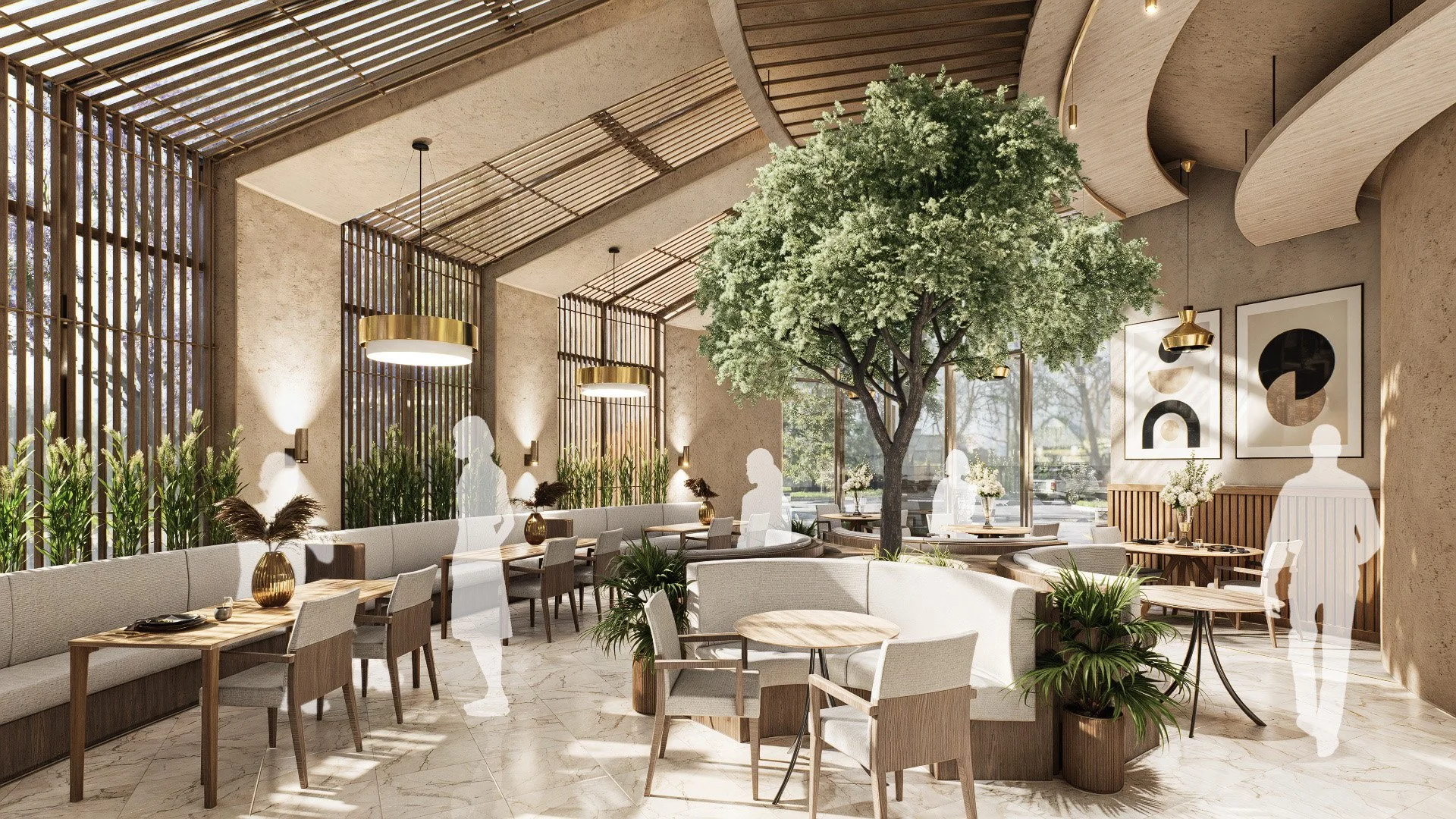
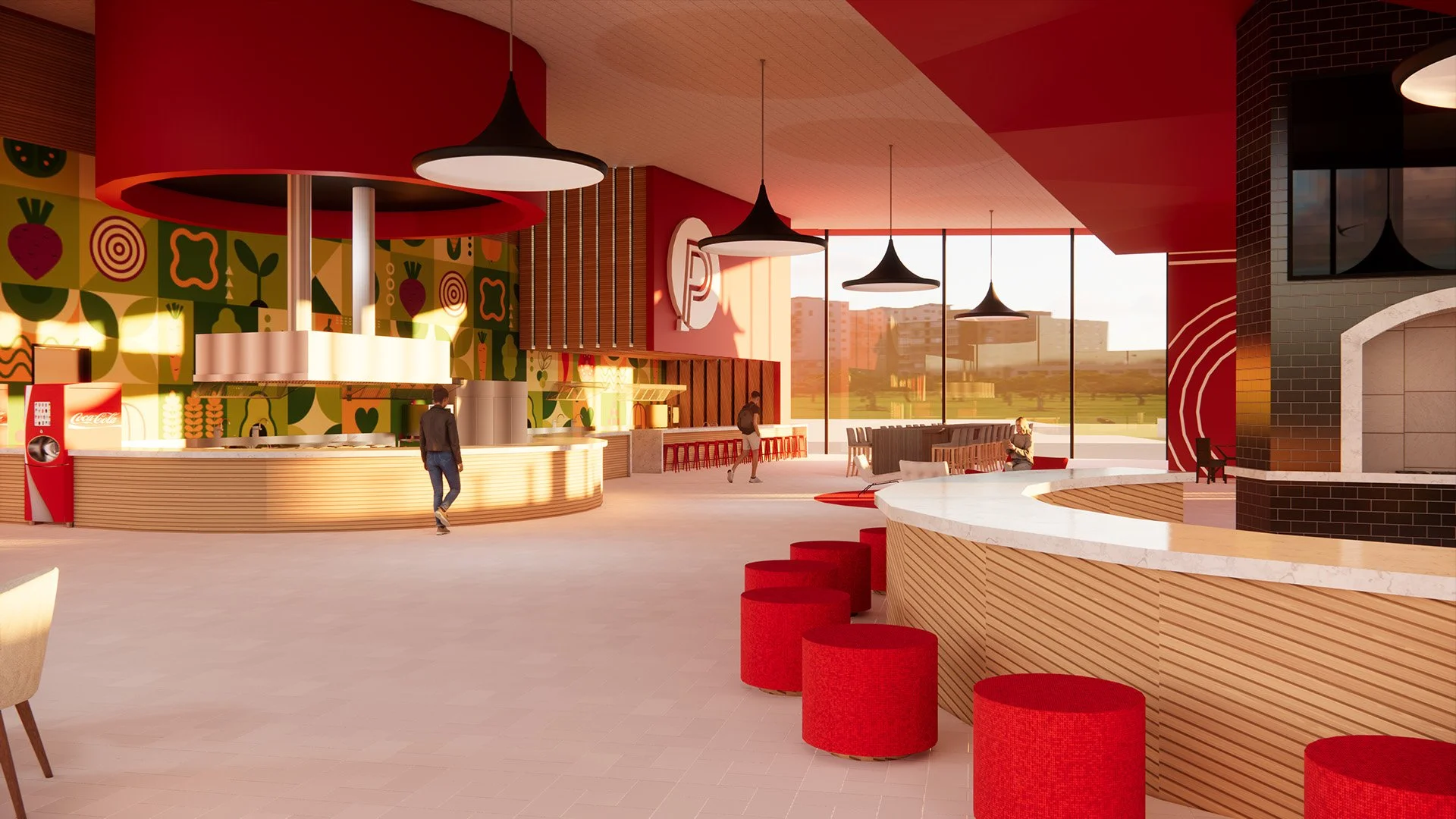
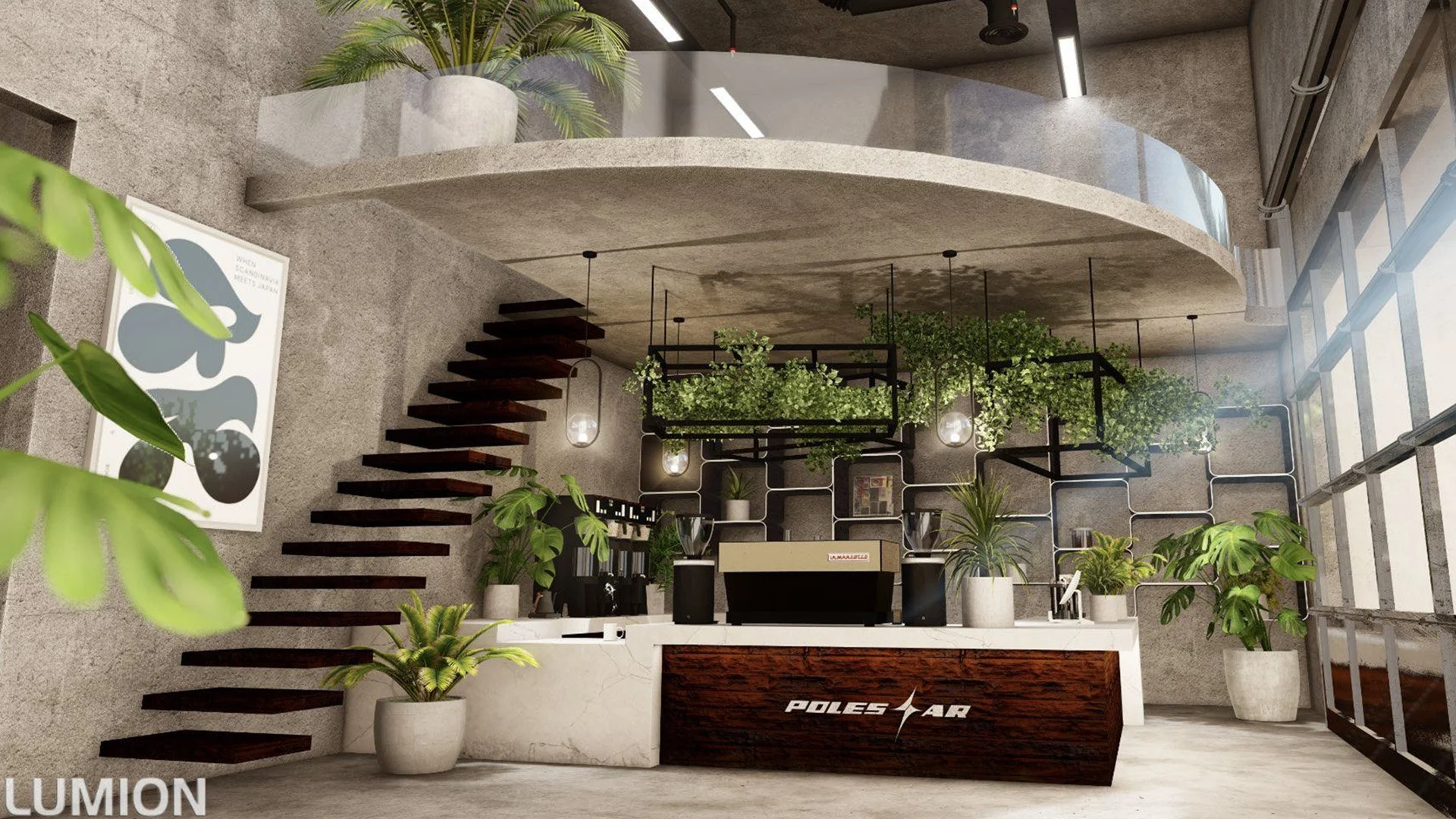
FURNITURE, FIXTURES & LIGHTING DESIGN
What if the part of a room you're most interested in isn't the room itself—but everything inside it?
The chair you're sitting in.
The pendant light above a restaurant table.
The reception desk that welcomes you into a hotel.
The shelving system displaying products in a store.
The workstation where someone spends eight hours each day.
The custom cabinetry in a home.
The bench in an airport.
Someone designed every one of them.
Furniture, fixture and lighting designers create the objects that transform architectural spaces into places people can actually use and experience.
Often grouped professionally under the term FF&E — Furniture, Fixtures & Equipment — this field lives at the intersection of industrial design, interior architecture, engineering, manufacturing, craftsmanship and human-centered design.
For students who love architecture and interiors but also want to sketch, invent, model, prototype and make physical things, it can be an exceptional career.
An Industrial and Innovative Design degree from Cedarville University, in partnership with the International Center for Creativity (ICC), prepares you for a career in Furniture, Fixtures & Lighting Design.
Student Project Gallery
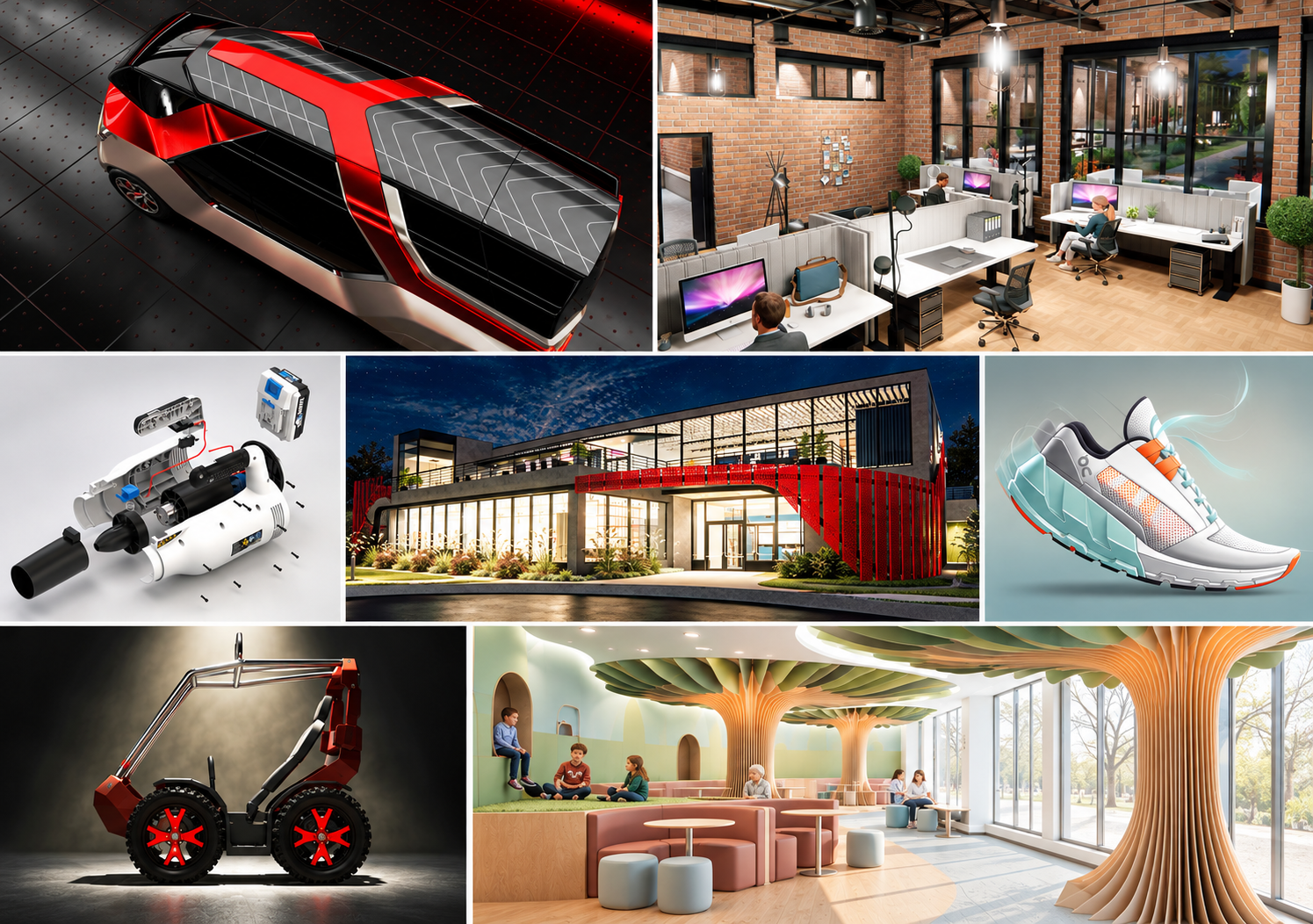
Throughout the academic year and during summer internships, students and staff at the International Center for Creativity (ICC) engage in hands-on design projects that bridge the gap between classroom learning and professional practice. Some projects are sponsored by industry partners, while others are carefully developed classroom experiences designed to replicate the challenges and expectations of the professional design world.
Each project follows a structured design process, beginning with a design brief and progressing through research, ideation, concept development, prototyping, and final presentation. With real deadlines, defined deliverables, and professional expectations, these experiences closely mirror the day-to-day responsibilities of an industrial designer—preparing students with the technical skills, creative problem-solving abilities, and professional confidence needed to succeed in their careers.
Explore Student Projects to discover not only the final design solutions, but also the creative thinking, exploration, and iterative process that brought them to life.
Senior Capstone Spotlight
Senior students in the Industrial and Innovative Design major bring together their acquired skills, creativity, and problem-solving abilities through a semester-long capstone project. These projects challenge students to explore a diverse range of design opportunities, applying research, human-centered design principles, and innovative thinking to develop thoughtful solutions to real-world challenges.
The video above showcases Aaron Cox’s senior capstone project, The Emerald Café: A Community Hub for Connection and Productivity. This project demonstrates how thoughtful interior and architectural space design can bring people together, foster collaboration, and create an inviting environment that balances social interaction with productivity.
Real-World Projects. Real-World Experience.
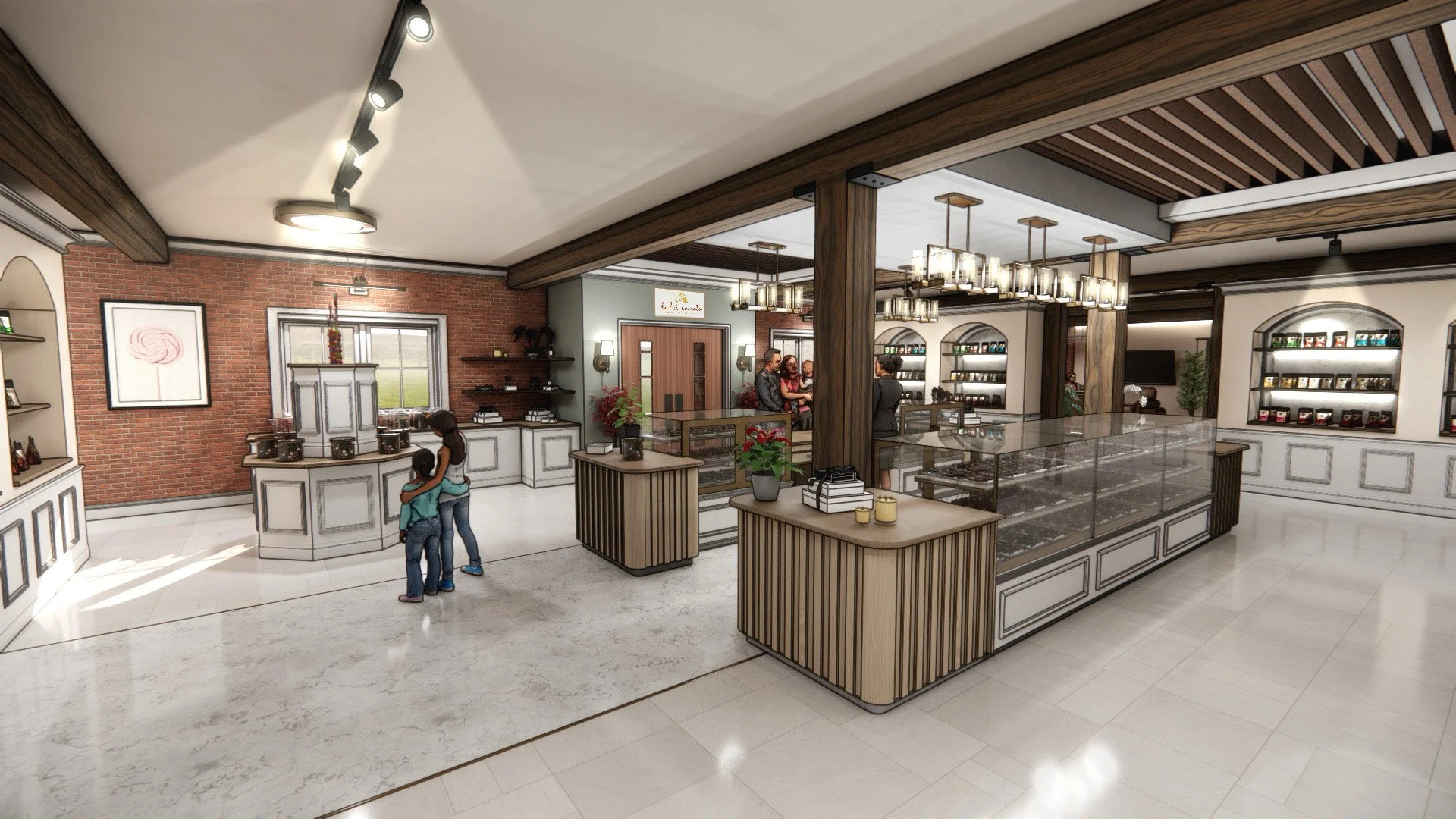
At the International Center for Creativity (ICC), experiential learning goes beyond the classroom. Students collaborate with real businesses and organizations to tackle authentic design challenges, gaining valuable hands-on experience while developing creative solutions that make a meaningful impact.
One example is ICC’s project with Dulci Sweets in Ashland, Ohio, where senior Industrial and Innovative Design students explored architectural spaces, interior design, and customer experiences to help shape a local business expansion and contribute to community revitalization.
Read the Full Story: Dulci Sweets’ Expansion Helps Revitalize Ashland
ICC Grad Talk
Where are they now? Catch up with ICC graduates and discover where their creativity has taken them. These videos highlight their careers, accomplishments, and experiences since graduation—and offer a glimpse into the many paths an ICC education can inspire.
In this interview, Alyssa (Vandegrift) Hawkins shares insights from her work as the director of graphics at Hub+Weber Architects. She discusses best practices for rendering composition, the software tools she uses in her workflow, and several recent architectural projects she has contributed to. Alyssa also offers practical advice and encouragement for current students preparing to enter the architectural design industry.
Two Campuses. One Exceptional Student Experience.

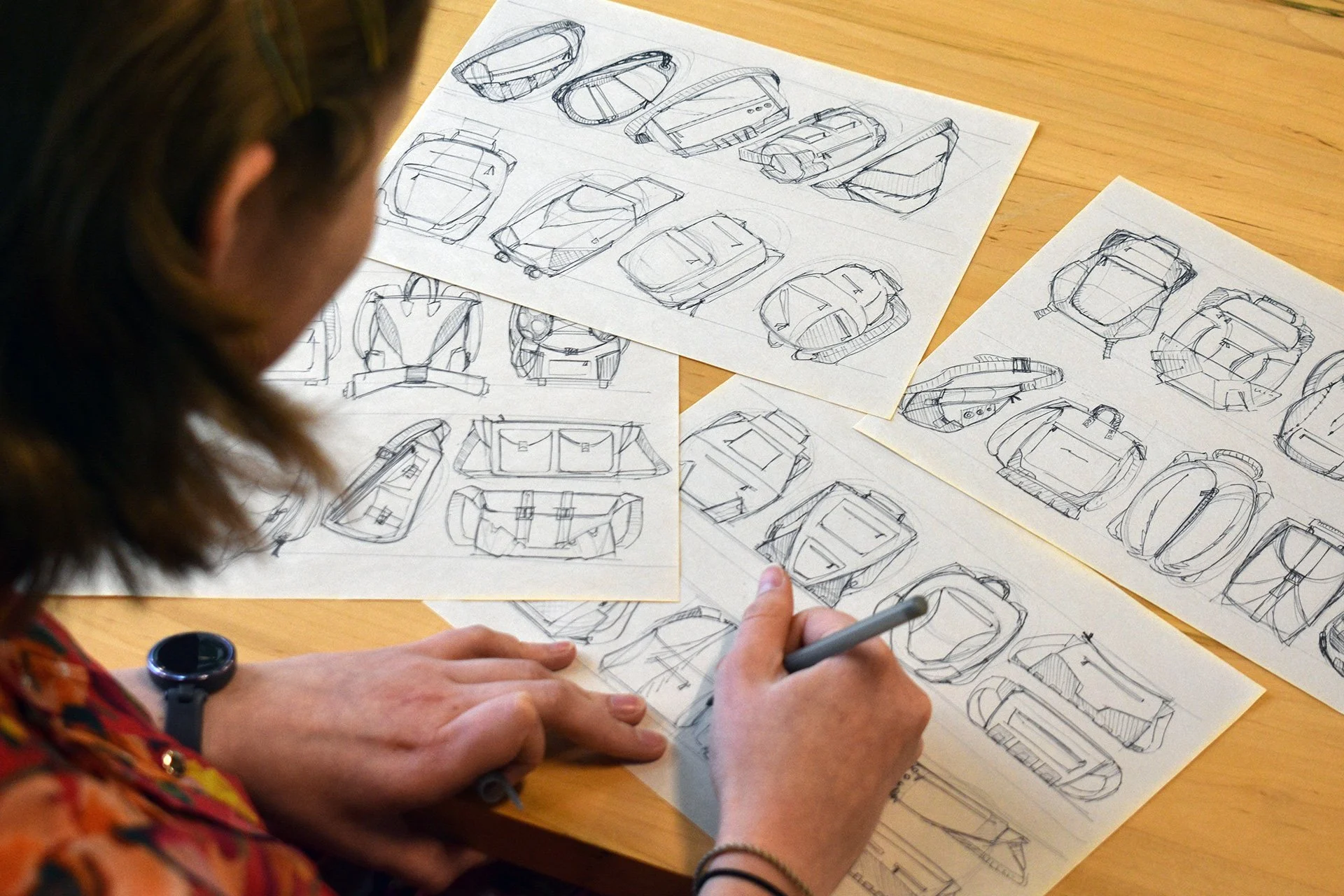
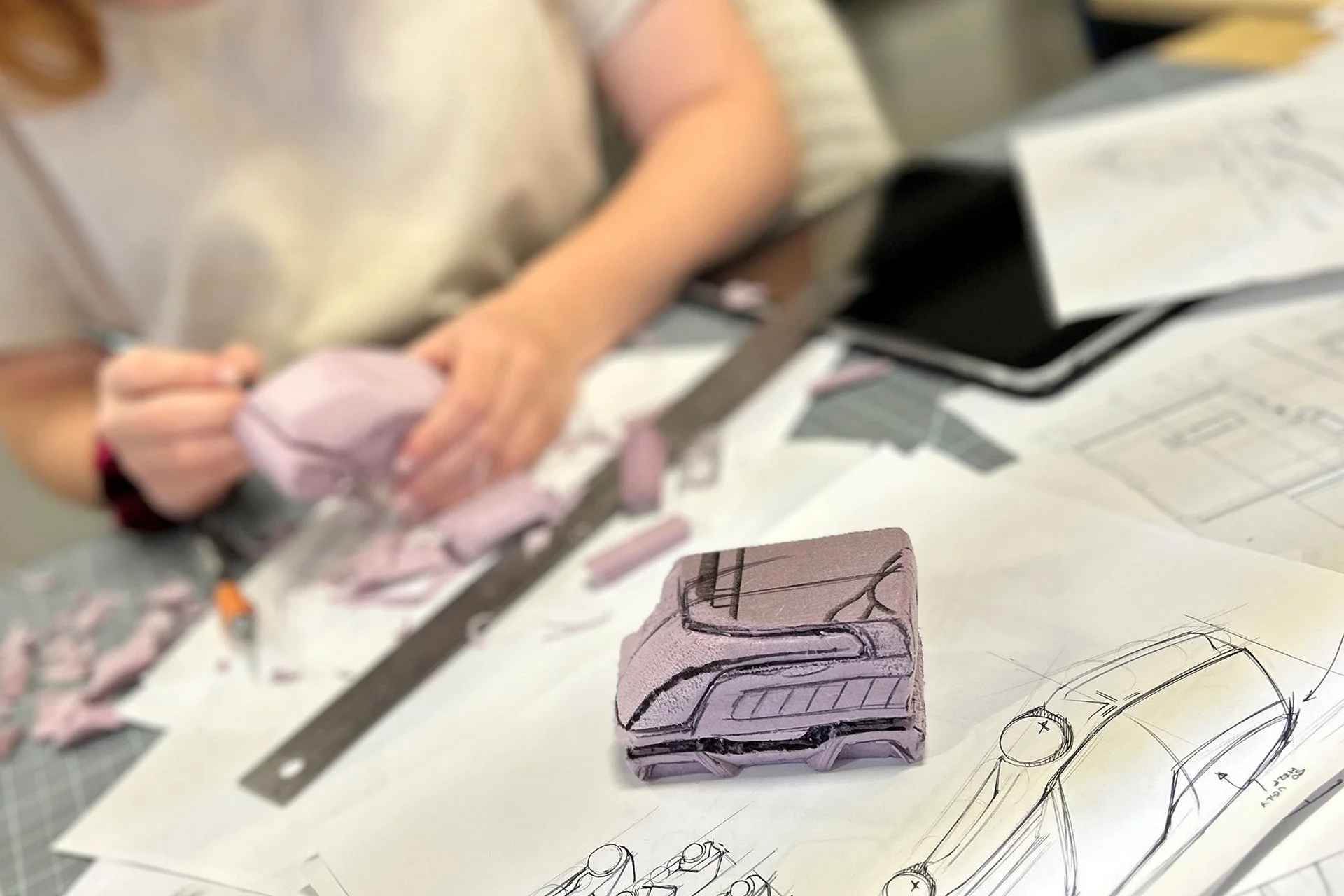
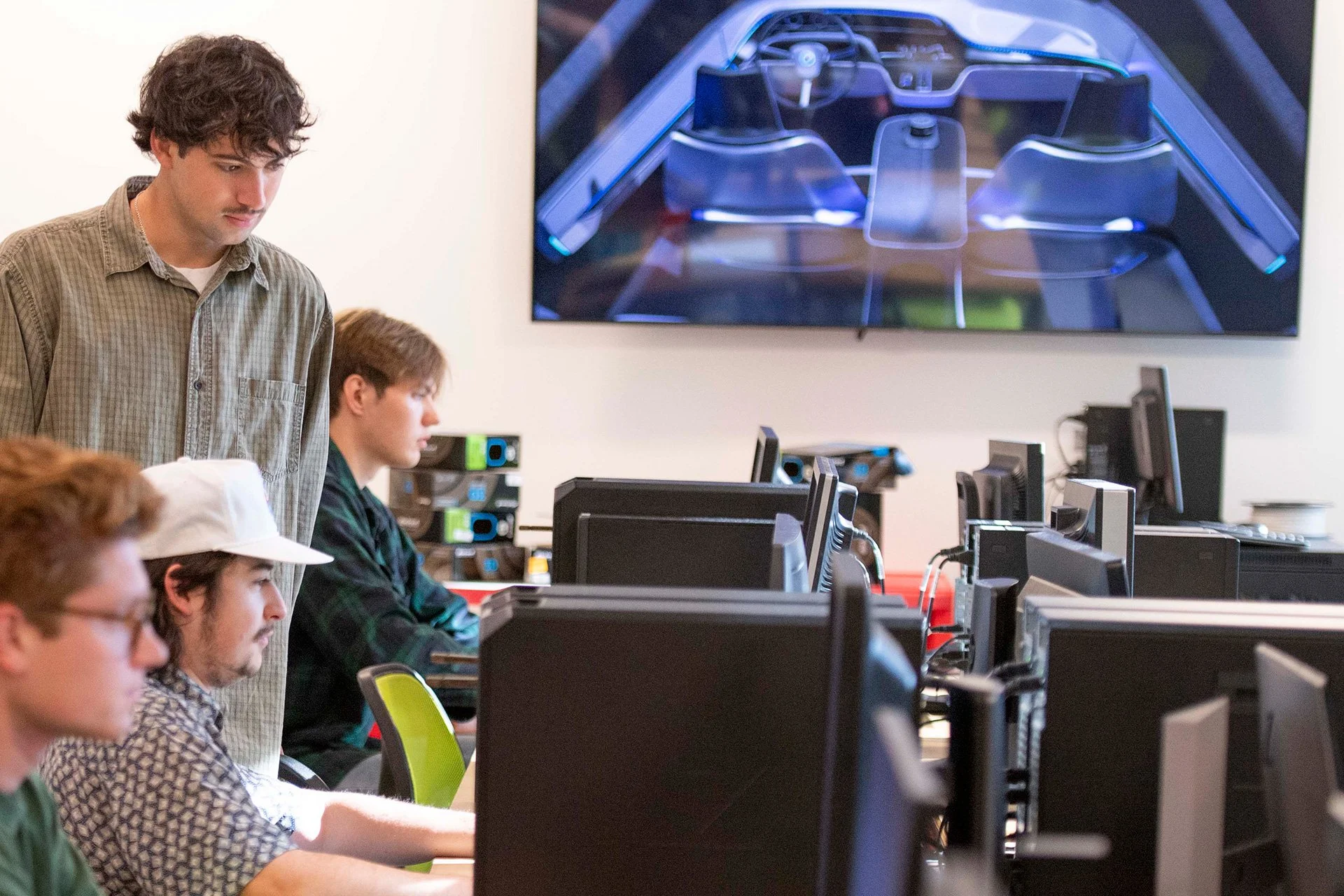
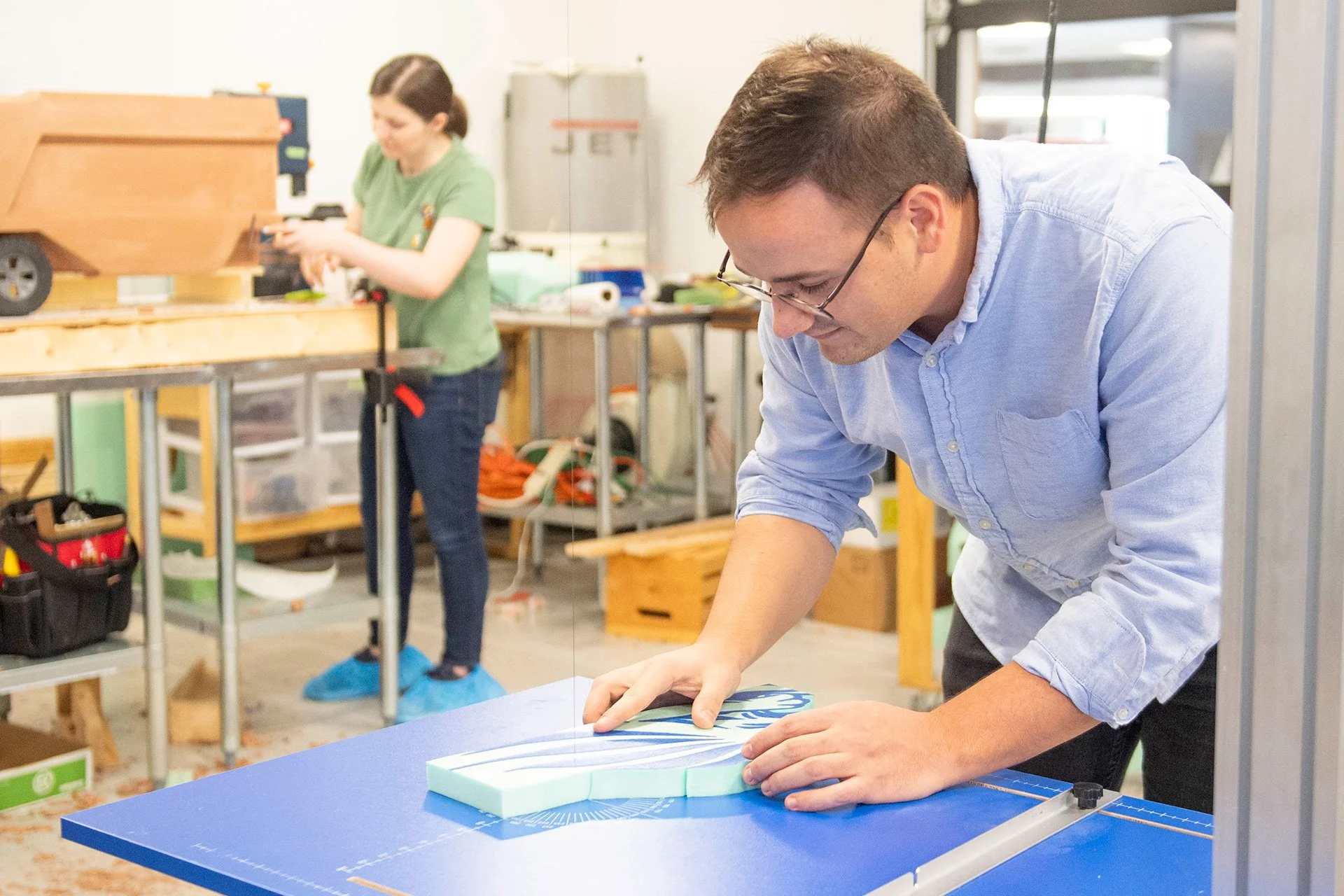
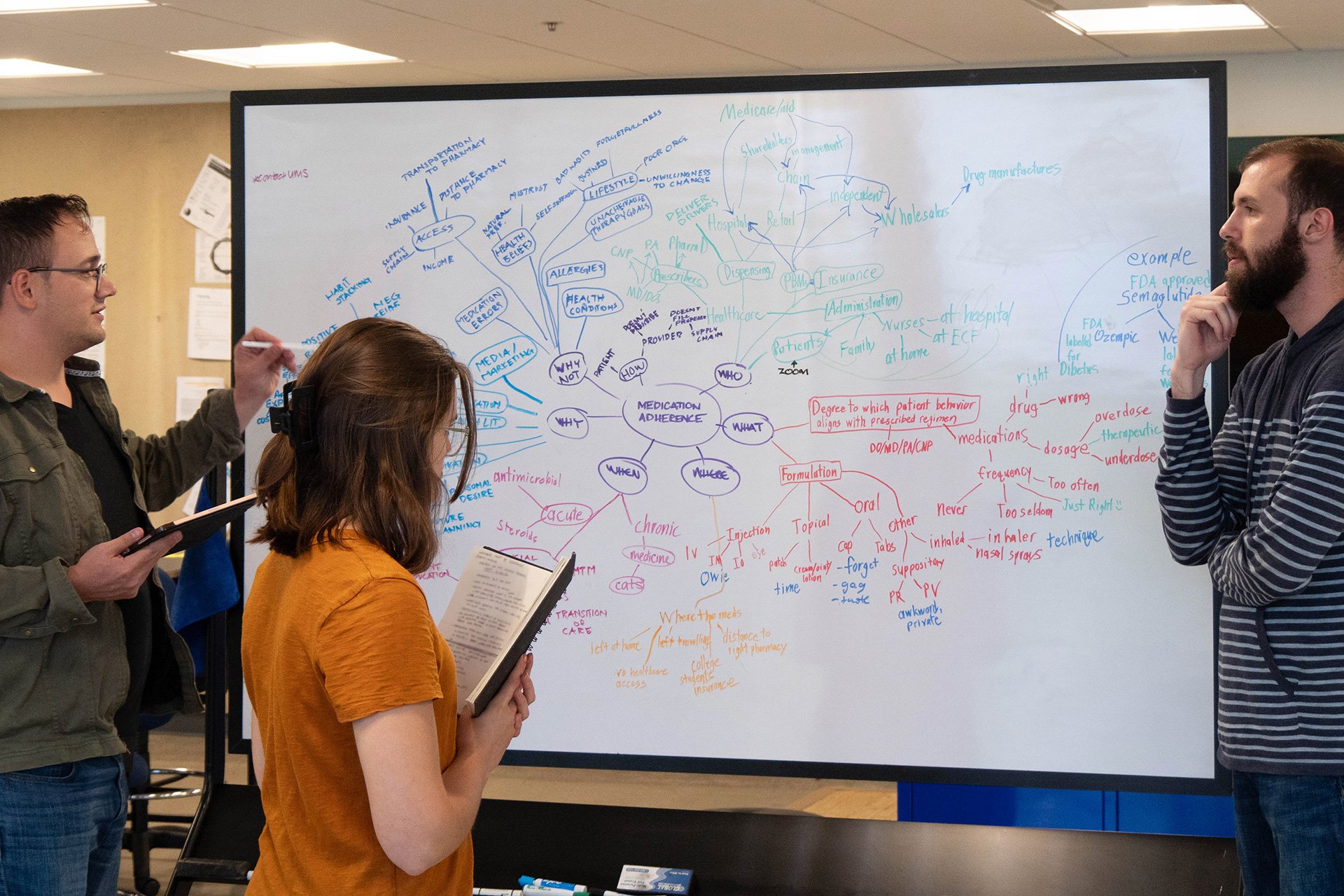
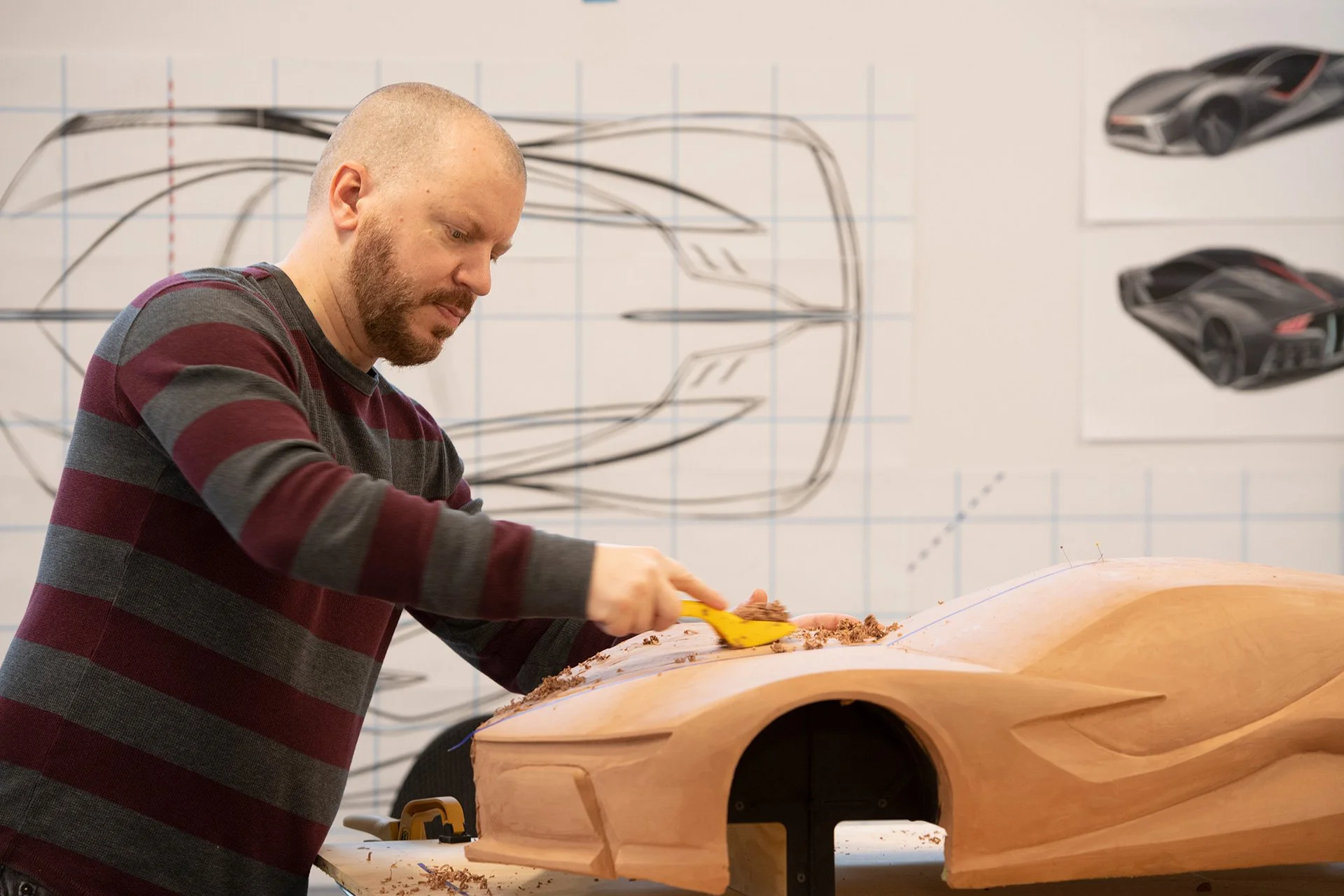
Students in the Industrial and Innovative Design program enjoy the best of both worlds through a unique four-year college experience. The first two years are spent on Cedarville University's campus in Cedarville, Ohio, building a strong academic foundation while enjoying traditional college life and a vibrant campus community. The final two years take place at the ICC Innovation Campus in Dublin, Ohio, where students immerse themselves in a collaborative, studio-based learning environment focused on creativity, innovation, and real-world design challenges.
Together, these two distinct experiences offer an exceptional blend of campus life, meaningful relationships, hands-on learning, and professional preparation.

Discover Where Our Graduates Are Making an Impact
From innovative startups to leading companies across a wide range of industries, ICC graduates are putting their creativity and design skills to work. Connect with our students and alumni on LinkedIn to explore their career journeys, discover the exciting places they're working, and see how they're impacting the world.
Simply search for “International Center for Creativity” on LinkedIn or visit our company page to connect with our community and discover where an ICC education can take you.
Explore the International Center for Creativity on LinkedIn →
What could you design?
The range is enormous.
Furniture, fixture and lighting designers may create chairs • tables • desks • sofas • benches • stools • workstations • conference furniture • classroom furniture • healthcare furniture • outdoor furniture • cabinetry • shelving • storage systems • retail displays • reception desks • hotel furnishings • restaurant fixtures • architectural millwork • exhibit components • decorative lighting • task lighting • architectural lighting fixtures • ceiling systems • custom installations and integrated interior products.
Some products are designed for mass production and may eventually be used in thousands of homes, offices or schools.
Others are one-of-a-kind pieces created for a particular restaurant, hotel, workplace, store or residence.
Designers might work for furniture manufacturers, lighting companies, architectural-product companies, industrial-design consultancies, architecture and interior-design firms, workplace-design companies, retail-fixture companies, custom fabricators or corporations with internal design teams.
Others establish their own furniture, lighting or product brands.
Where Does Furniture & Fixture Design Show Up?
Almost everywhere people spend time.
Homes. Offices. Hotels. Restaurants. Schools. Universities. Hospitals. Stores. Airports. Museums. Libraries. Churches. Entertainment venues. Corporate headquarters. Outdoor public spaces.
Consider a hotel lobby.
The architect may help establish the building and overall environment.
But someone also has to think about the lounge seating, tables, reception desk, lighting, decorative fixtures, charging solutions, storage, materials and countless physical touchpoints that allow people to actually use that environment.
That's where furniture, fixture and product thinking become inseparable from space design.
Great spaces depend on great objects.
What Does a Furniture, Fixture or Lighting Designer Actually Do?
Imagine you're asked to design a new chair for a university learning commons.
You don't begin by simply drawing a cool-looking chair.
You begin with questions.
Who will use it?
For how long?
What posture should it support?
Should students be able to move it?
Does it need power or charging?
Could it be grouped with other chairs?
What materials make sense?
How will it be manufactured?
Can damaged components be replaced?
How much can it cost?
What should it communicate aesthetically?
And—most importantly—
Is it comfortable?
The designer then moves from research → sketches → concepts → dimensions → digital models → physical prototypes → testing → refinement → manufacturing specifications → final production.
Now imagine applying that same thinking to a light fixture, retail display, restaurant booth or custom hotel reception desk.
That's furniture, fixture and lighting design.
The Designer's Toolkit
FF&E designers combine artistic ability with technical knowledge.
Hard skills can include design research, rapid sketching, perspective drawing, ergonomics and human factors, anthropometrics, form development, materials and manufacturing processes, joinery, fabrication, 2D drafting, 3D CAD, digital surfacing, rendering, visualization, prototyping, modelmaking, color and finish specification, lighting concepts and professional presentations.
Depending upon their specialty, designers may use SolidWorks, Rhino, AutoCAD, Revit, SketchUp, Adobe Creative Cloud, digital sketching tools, rendering platforms, CNC equipment, laser cutters, 3D printers, woodworking and fabrication tools, VR/AR and increasingly AI-assisted design applications.
Lighting adds another fascinating layer involving light quality, distribution, color temperature, controls, energy efficiency, fixture construction and the emotional effect light has on an environment.
But professional success requires much more than software.
Designers need curiosity, empathy, observation, collaboration, communication, creative problem-solving, attention to detail, storytelling, presentation skills, adaptability and the ability to accept critique.
They also need to communicate effectively with architects, interior designers, engineers, manufacturers, fabricators, contractors, sales teams and clients.
A beautiful concept isn't enough.
Eventually, somebody has to build it.
How Is AI Changing Furniture, Fixture & Lighting Design?
AI is creating powerful new tools for designers.
A designer can use AI to help research trends and materials, explore visual directions, rapidly generate alternative concepts, investigate forms, create early renderings and communicate possibilities to clients.
Imagine sketching an idea for a hotel lounge chair and rapidly exploring how the concept might look with different proportions, materials or aesthetic directions before investing hours developing detailed CAD.
Or imagine exploring dozens of conceptual approaches to a pendant fixture before determining which three deserve further development.
That's where AI can be extremely useful.
But an AI-generated chair doesn't know whether someone can actually sit comfortably in it.
It doesn't automatically understand structural loads.
It doesn't know whether a joint can be manufactured reliably.
It doesn't know whether the material will wear well in a hotel.
And it doesn't know whether the product can hit the client's cost target.
AI can accelerate imagination. Designers still have to make ideas work.
The future designer will need both traditional sketching, form development, materials and prototyping skills—and fluency with emerging digital and AI tools.
Why ICC + Cedarville?
Because ICC teaches students to design both the space and the things inside it.
This may be one of ICC's strongest advantages for students interested in FF&E.
Cedarville's Industrial & Innovative Design curriculum spans interior and exterior architectural design, product design and transportation design. ICC describes industrial designers as using human-centered design methods to develop consumer products, furniture, interior spaces, architectural structures and mobility solutions.
That creates an unusually relevant educational foundation.
A conventional product designer might understand the chair but not fully understand the room.
A conventional space designer may understand the room but may not be trained to develop the chair as a manufacturable product.
ICC students learn to think about both.
Consider designing a restaurant.
The environment includes:
Space + Tables + Seating + Lighting + Millwork + Fixtures + Materials + Products + Graphics + People + Movement + Experience
Or consider a workplace:
Space + Workstations + Seating + Storage + Lighting + Technology + Acoustics + Ergonomics + Human Behavior
ICC's multidisciplinary approach trains students to understand these relationships rather than seeing each element in isolation.
From Sketch to Object to Environment
Furniture and lighting design are also unusually well matched to the way ICC teaches design.
Students don't simply create attractive computer renderings.
Cedarville describes the IID program as emphasizing real-world projects, hands-on problem-solving, modelmaking and digital design. Its professional-studio structure is intended to create greater intensity and simulate actual professional demands and deadlines.
That means students learn the progression professional designers actually use:
Research it.
Sketch it.
Model it.
Prototype it.
Evaluate it.
Improve it.
Present it.
For a furniture or fixture designer, that's essential.
A chair ultimately has to become something someone can sit in.
A light has to illuminate something.
A fixture has to attach to something.
A cabinet has to open.
Design becomes real.
ICC Graduates Are Already Designing Products for Interior Environments
This career pathway isn't theoretical.
Julia Shaffer, a 2019 Industrial & Innovative Design graduate, joined Hunter Fan as an associate industrial designer in 2020. Her designs subsequently reached the marketplace. Hunter operates in exactly the intersection this page describes: designed products that become part of architectural interior environments.
The same Cedarville feature reports that more than 85% of ICC graduates were employed in design-related fields, with graduates working for organizations including Nike, Reebok, Crocs, Bose, Chick-fil-A and others.
And Cedarville's current program page identifies employers of IID graduates including Steelcase and Continental Office—companies directly connected to workplace furniture and interior environments.
Those are important examples for prospective students and parents because they demonstrate that furniture and interior-product design is not simply an elective interest.
It can become a professional career.
From ICC Student to Professional Furniture Designer
Joshua Stover, a 2023 Cedarville graduate works as an industrial designer and project manager with Fortner Custom Furniture in Columbus.
And the connection has come full circle.
Fortner was one of the employers participating in ICC's 2026 Recruitment Day, where companies came directly to ICC to meet students about internships and career opportunities. Other participating employers included Bath & Body Works, Goken, Sutphen Fire Trucks and Hub + Weber Architects.
That illustrates the career-development ecosystem ICC is building:
Student → Portfolio → Employer Connection → Professional Designer.
The Best of Two Worlds
The partnership between the International Center for Creativity and Cedarville University creates an educational model that's difficult to duplicate.
Students spend their first two years on Cedarville's main campus, experiencing everything expected from a vibrant residential Christian university:
Residence life. Friendships. Athletics. Student organizations. Chapel. Campus activities. Academics. Community.
Then, during their junior and senior years, Industrial & Innovative Design students transition to ICC's professional design studios in Dublin, Ohio, within greater Columbus.
Cedarville describes ICC's facilities as professional design studios where students develop the skills needed for successful careers in 3D design, with the concentrated structure creating greater intensity and closer simulation of real-world design projects, demands and deadlines.
It's the best of two worlds.
A vibrant, Christ-centered university experience + an immersive, career-intensive professional design education.
Students don't have to choose between the traditional college experience and specialized professional preparation.
They get both.
National Recognition. Exceptional Engagement.
Cedarville University has developed a national reputation for academic quality, Christian community and exceptional student engagement.
In The Wall Street Journal's 2022 college rankings, Cedarville was ranked No. 4 nationally for student engagement and was the only Ohio university in the Top 10. The ranking examined students' experiences with their education, professors and peers.
In 2026, Education Insider named Cedarville its Top Christian University, citing biblical integration, academic excellence and strong career outcomes. Among Cedarville's class of 2025, 98.3% were employed or enrolled in graduate school within six months.
ICC's Industrial & Innovative Design program has earned national recognition of its own.
College Values Online ranked the program No. 5 nationally for academic excellence and career-earning power, placing Cedarville among institutions including Georgia Tech, Rochester Institute of Technology and Carnegie Mellon. Cedarville was the only Christian university in that ranking's Top 25.
A nationally recognized Christian university + a nationally ranked professional design program.
That's a powerful combination.
Learn Design Where Design Happens
During their upper-level design years, students study at ICC in Dublin, Ohio, within the greater Columbus metropolitan area.
That's particularly valuable for students interested in furniture, fixtures and lighting because Columbus connects students to a diverse professional ecosystem of architecture firms, interior-design firms, furniture companies, manufacturers, retailers, hospitality organizations, corporate workplaces, design consultancies and custom fabricators.
The program deliberately connects students with working professionals. Cedarville describes ICC faculty as experienced professionals with real-world backgrounds, and current instructors include designers simultaneously working in corporate industry.
ICC's Recruitment Day further brings companies directly into the studio to meet students about internships and jobs—including, most recently, a custom furniture manufacturer and an architecture firm.
For students, moving to Dublin isn't simply changing campuses.
It's an intentional transition toward professional life.
Design at the Intersection of Product and Space
Furniture, fixtures and lighting demonstrate something important about industrial design.
Sometimes the designer creates the entire environment.
Sometimes the designer creates the object inside the environment.
And sometimes the most interesting career exists right at the intersection.
That's why ICC's breadth matters.
A student can learn to think about form like a product designer, people like a human-centered designer, space like an architectural-space designer, feasibility like a manufacturer and opportunity like an entrepreneur.
That combination can lead to careers in furniture, lighting, fixtures, workplace products, architectural products, custom fabrication and countless related fields.
Could Furniture, Fixtures & Lighting Design Be Your Career?
Maybe you're the student who notices the chair before the room.
Maybe you've always liked building things.
Maybe you sketch furniture, lamps, rooms or objects in the margins of your notebook.
Maybe you love architecture—but you'd rather design something you can hold, prototype and manufacture.
Maybe you're fascinated by materials, woodworking, 3D printing or fabrication.
Maybe you love both art and engineering.
Maybe you've walked through a furniture store and thought:
“I could design that.”
You can.
At Cedarville University and the International Center for Creativity, you'll build traditional design fundamentals while developing capabilities in human-centered problem-solving, sketching, form development, digital modeling, visualization, hands-on making, professional collaboration and emerging tools such as AI.
You'll begin with the community and energy of a vibrant Christian university.
Then you'll transition into an immersive professional design environment where the emphasis increasingly becomes your skills, your portfolio and your career.