
Home >> Industrial & Innovative Design >> Interior Architectural Space Design >> Career Path: Educational & Institutional Design
Design the Places Where People Learn, Discover and Belong
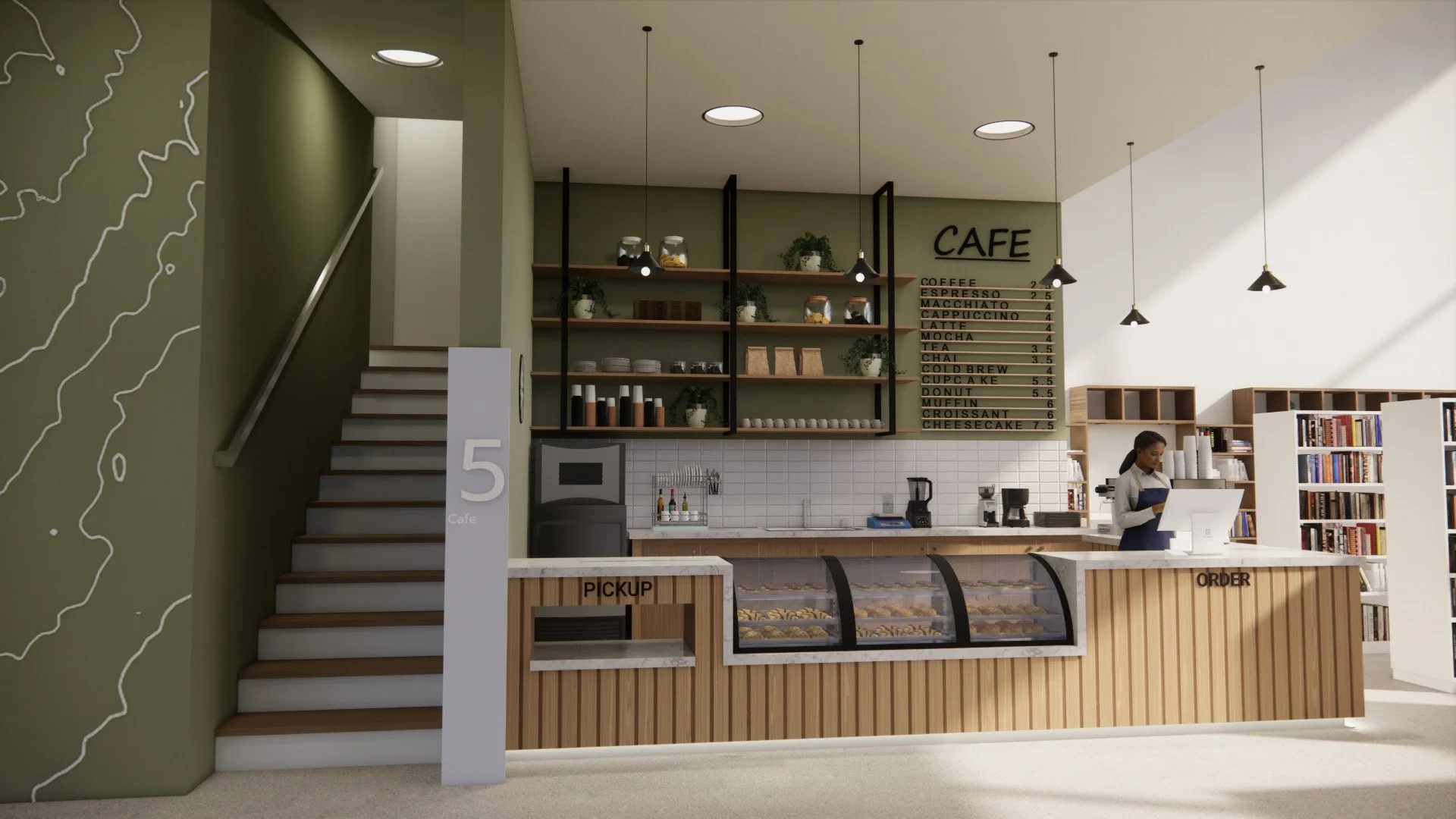
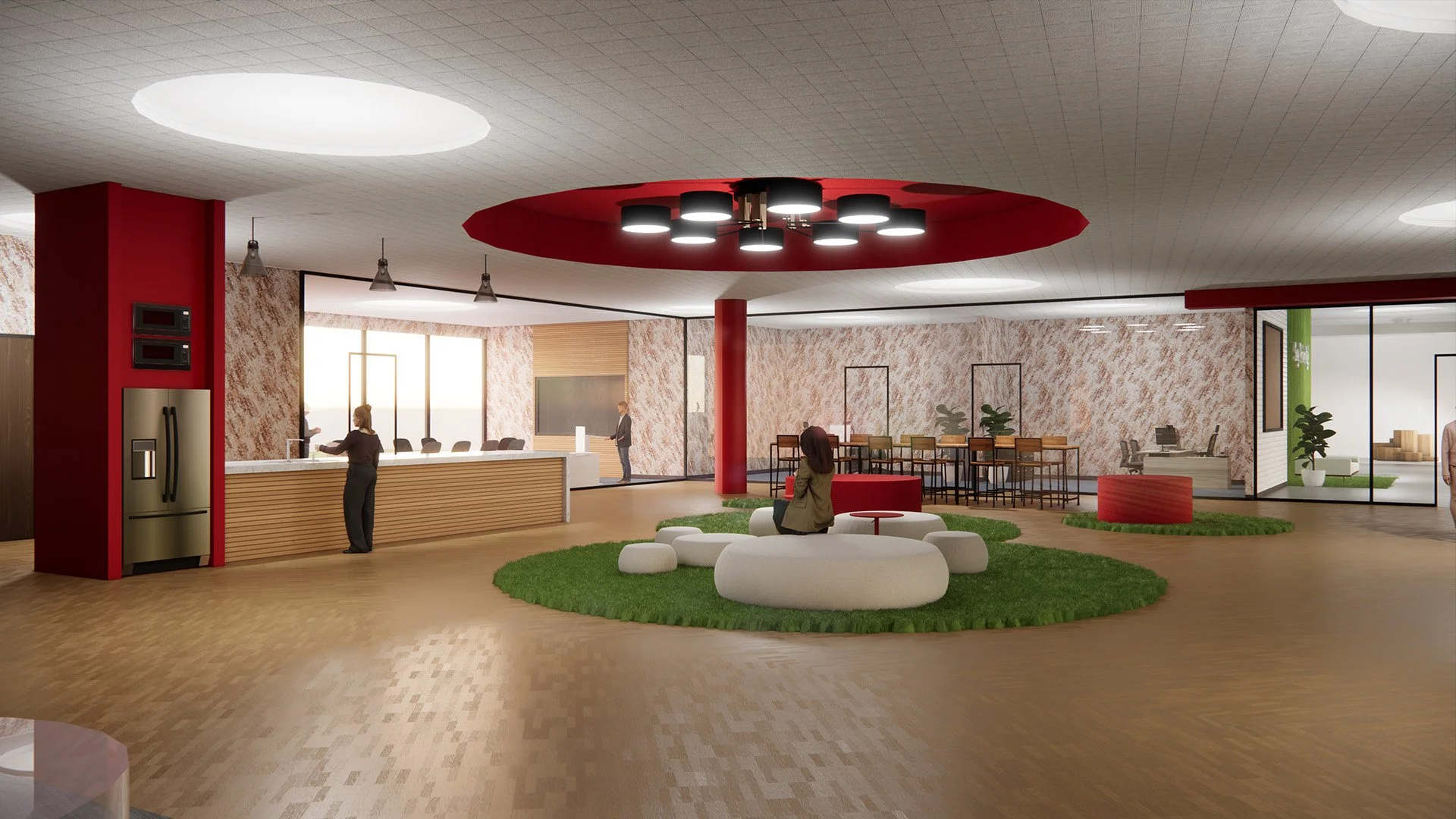
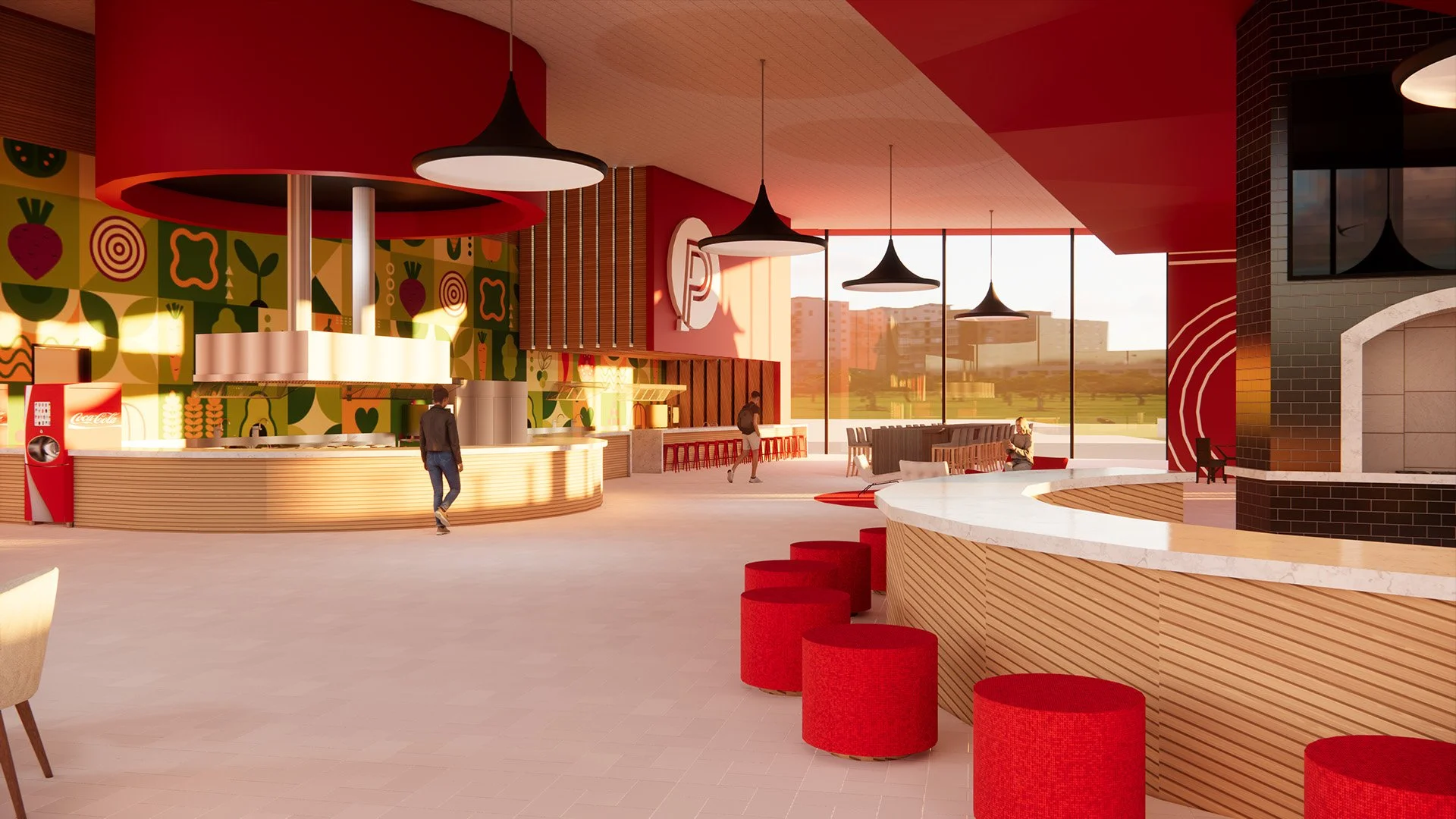
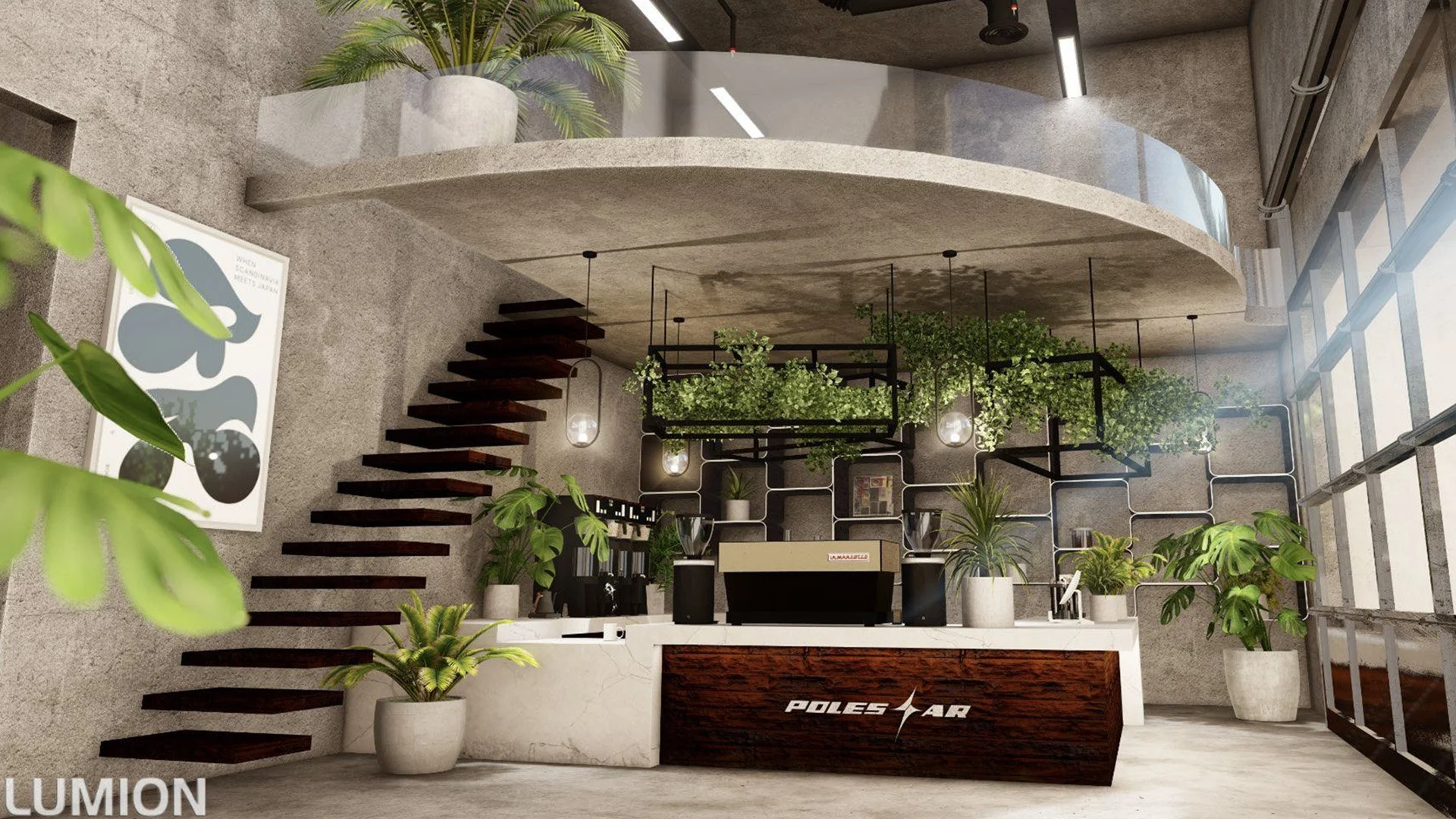
EDUCATIONAL & INSTITUTIONAL DESIGN
What if you could design a place that helps someone learn?
Think about the spaces that have shaped your own life.
A classroom where a great teacher inspired you.
A library where you discovered something new.
A university student center where friendships began.
A church where people gathered.
A museum that made history come alive.
A community center that brought people together.
Someone helped design each of those experiences.
Educational and institutional space designers create environments where people learn, gather, discover, collaborate and belong.
They combine creativity, human-centered design, architecture, products, furniture, graphics and technology to create spaces that aren't simply attractive—they help the organizations inside them accomplish their missions.
For creative students interested in architecture, education, technology, people and solving meaningful problems, it can be an exciting and rewarding career.
An Industrial and Innovative Design degree from Cedarville University, in partnership with the International Center for Creativity (ICC), prepares you for a career in Educational & Institutional Design.
Student Project Gallery
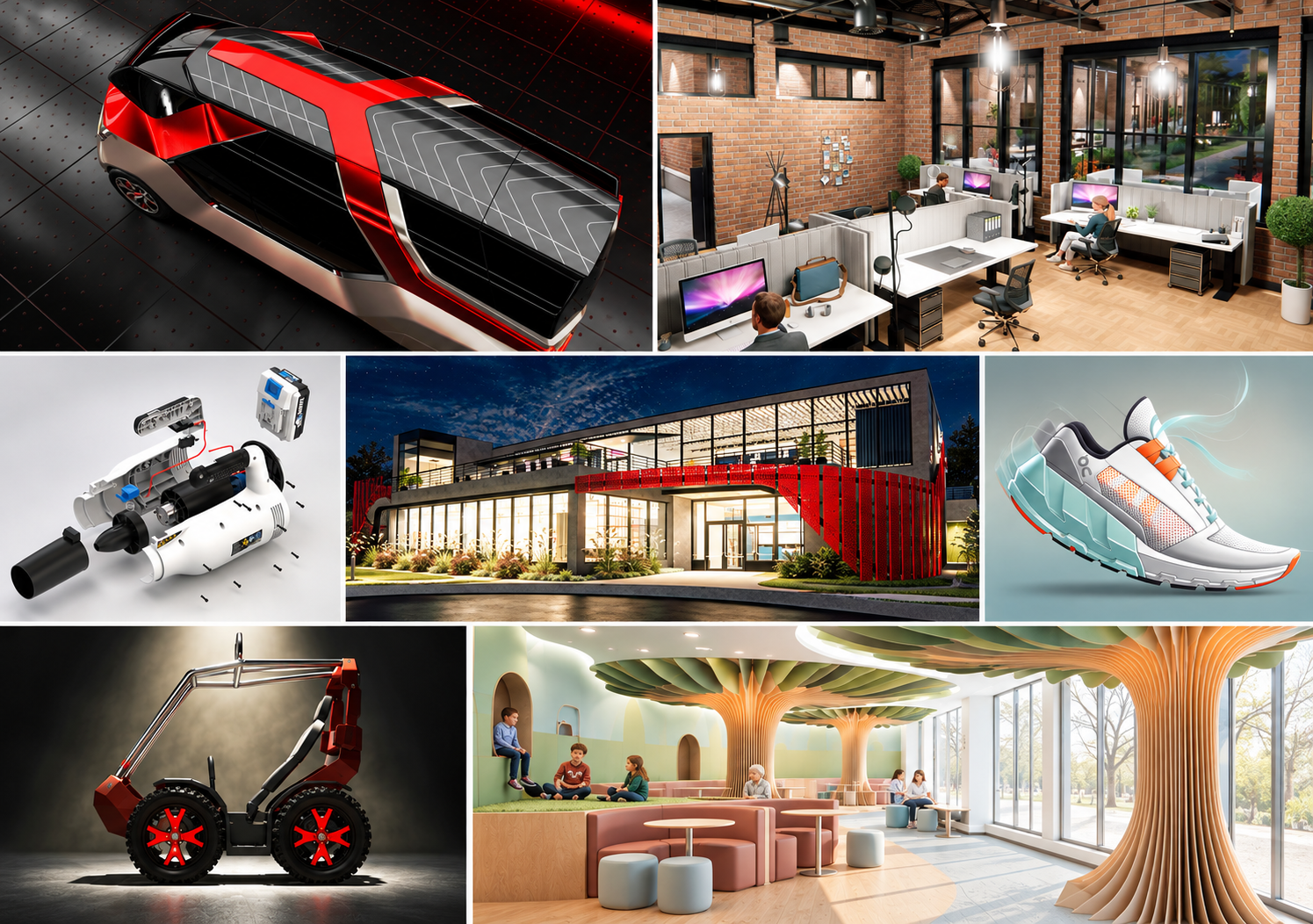
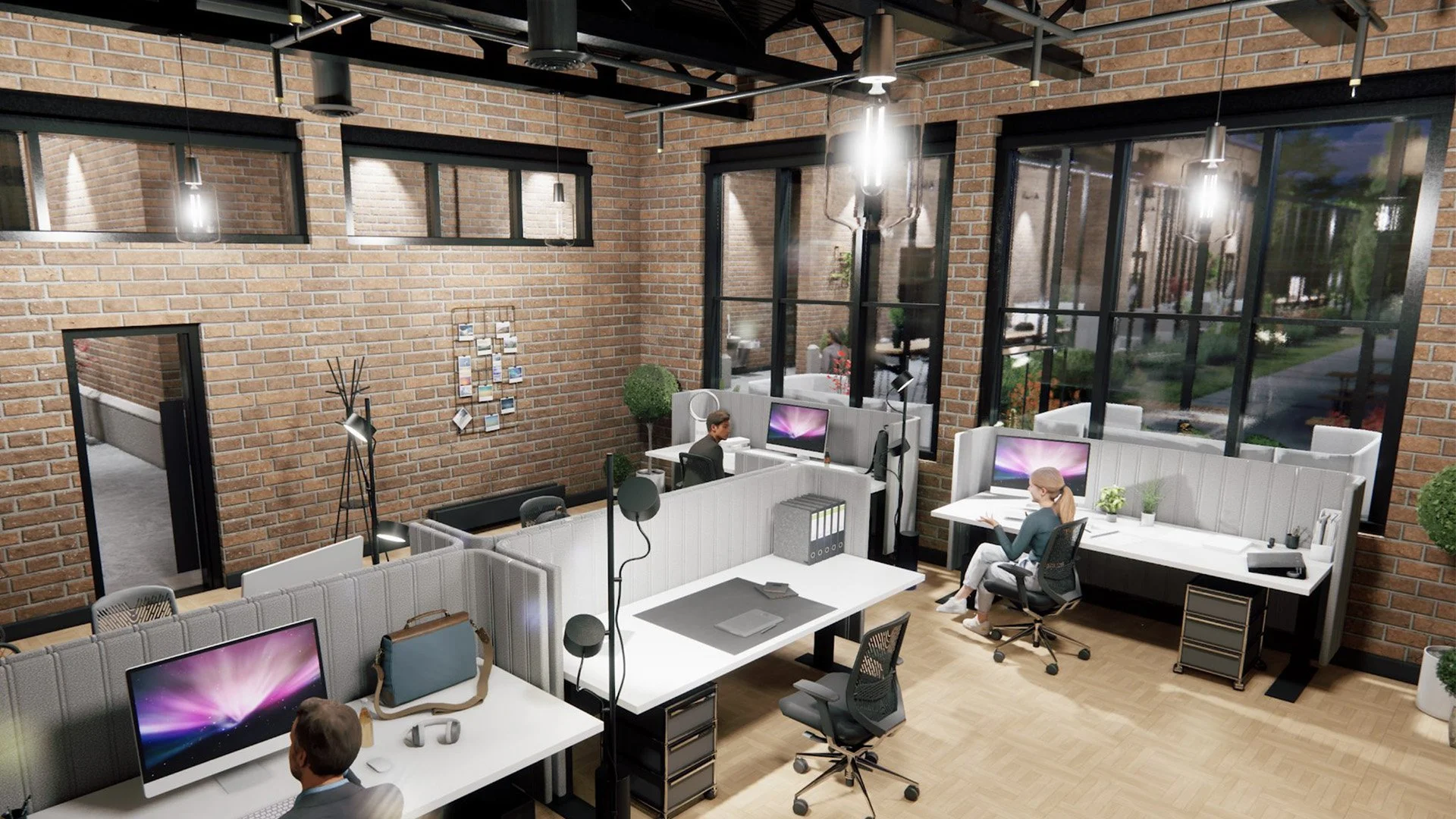
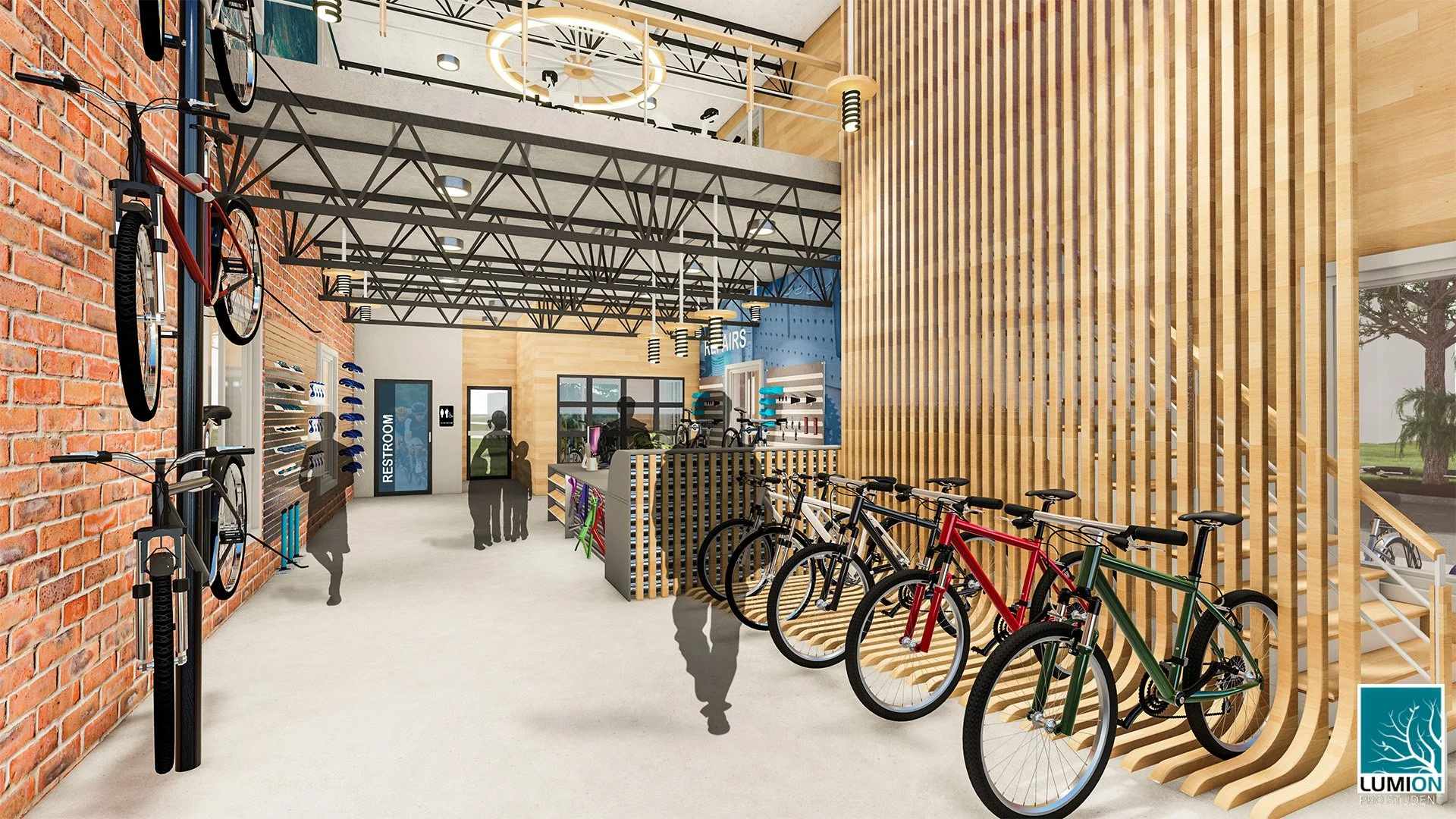
Throughout the academic year and during summer internships, students and staff at the International Center for Creativity (ICC) engage in hands-on design projects that bridge the gap between classroom learning and professional practice. Some projects are sponsored by industry partners, while others are carefully developed classroom experiences designed to replicate the challenges and expectations of the professional design world.
Each project follows a structured design process, beginning with a design brief and progressing through research, ideation, concept development, prototyping, and final presentation. With real deadlines, defined deliverables, and professional expectations, these experiences closely mirror the day-to-day responsibilities of an industrial designer—preparing students with the technical skills, creative problem-solving abilities, and professional confidence needed to succeed in their careers.
Explore Student Projects to discover not only the final design solutions, but also the creative thinking, exploration, and iterative process that brought them to life.
Senior Capstone Spotlight
Senior students in the Industrial and Innovative Design major bring together their acquired skills, creativity, and problem-solving abilities through a semester-long capstone project. These projects challenge students to explore a diverse range of design opportunities, applying research, human-centered design principles, and innovative thinking to develop thoughtful solutions to real-world challenges.
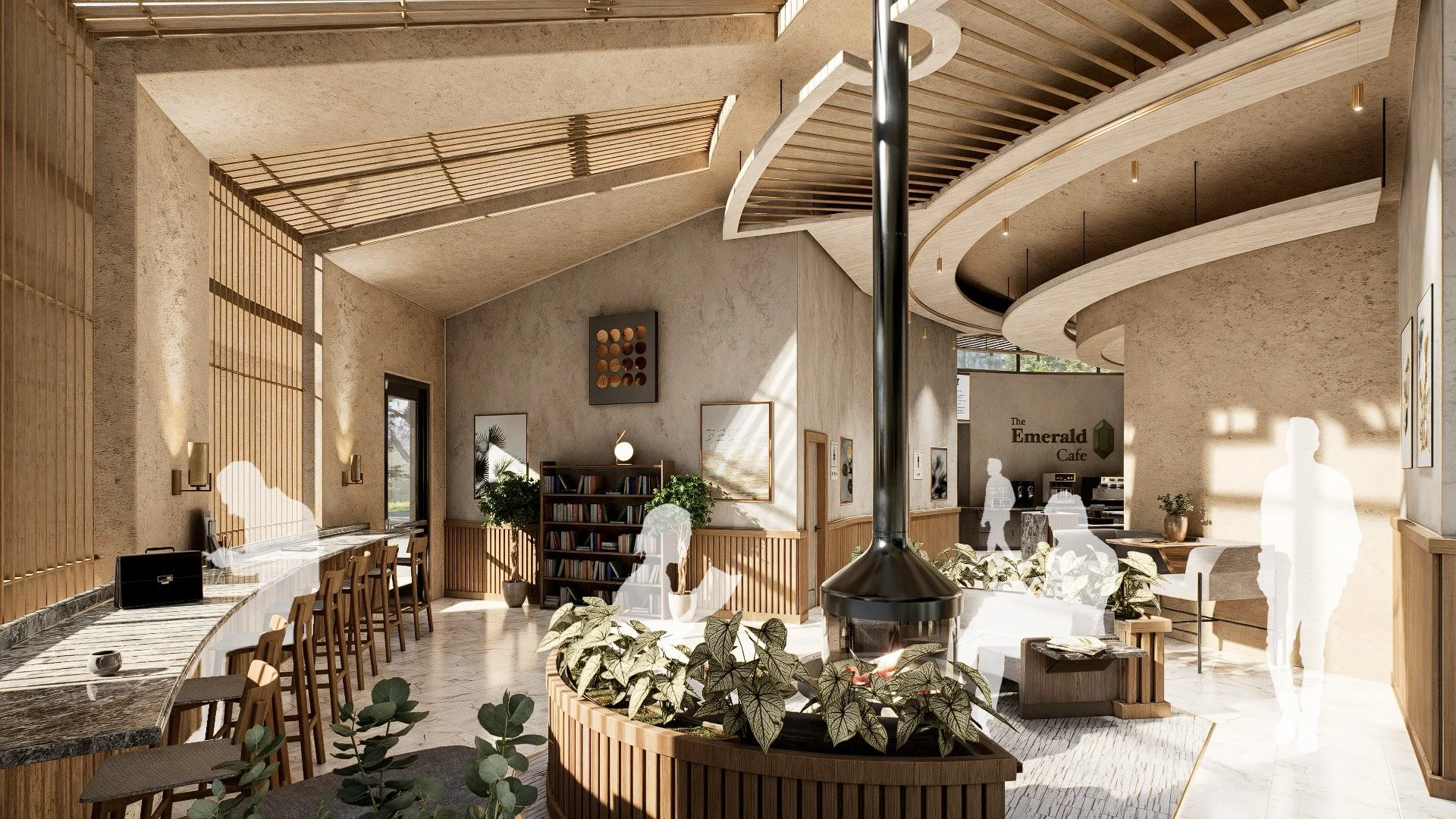
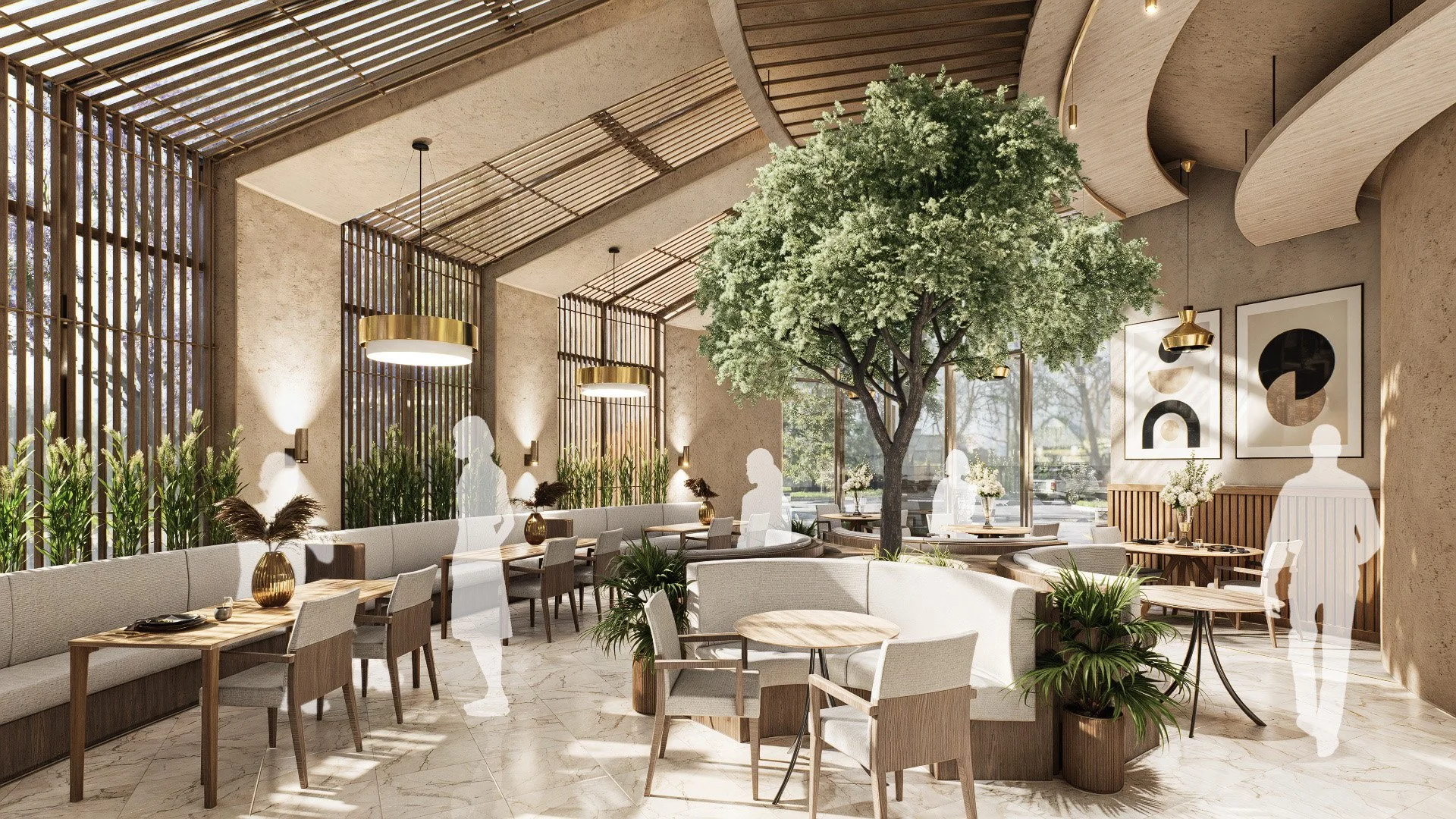
The video above showcases Aaron Cox’s senior capstone project, The Emerald Café: A Community Hub for Connection and Productivity. This project demonstrates how thoughtful interior and architectural space design can bring people together, foster collaboration, and create an inviting environment that balances social interaction with productivity.
Real-World Projects. Real-World Experience.
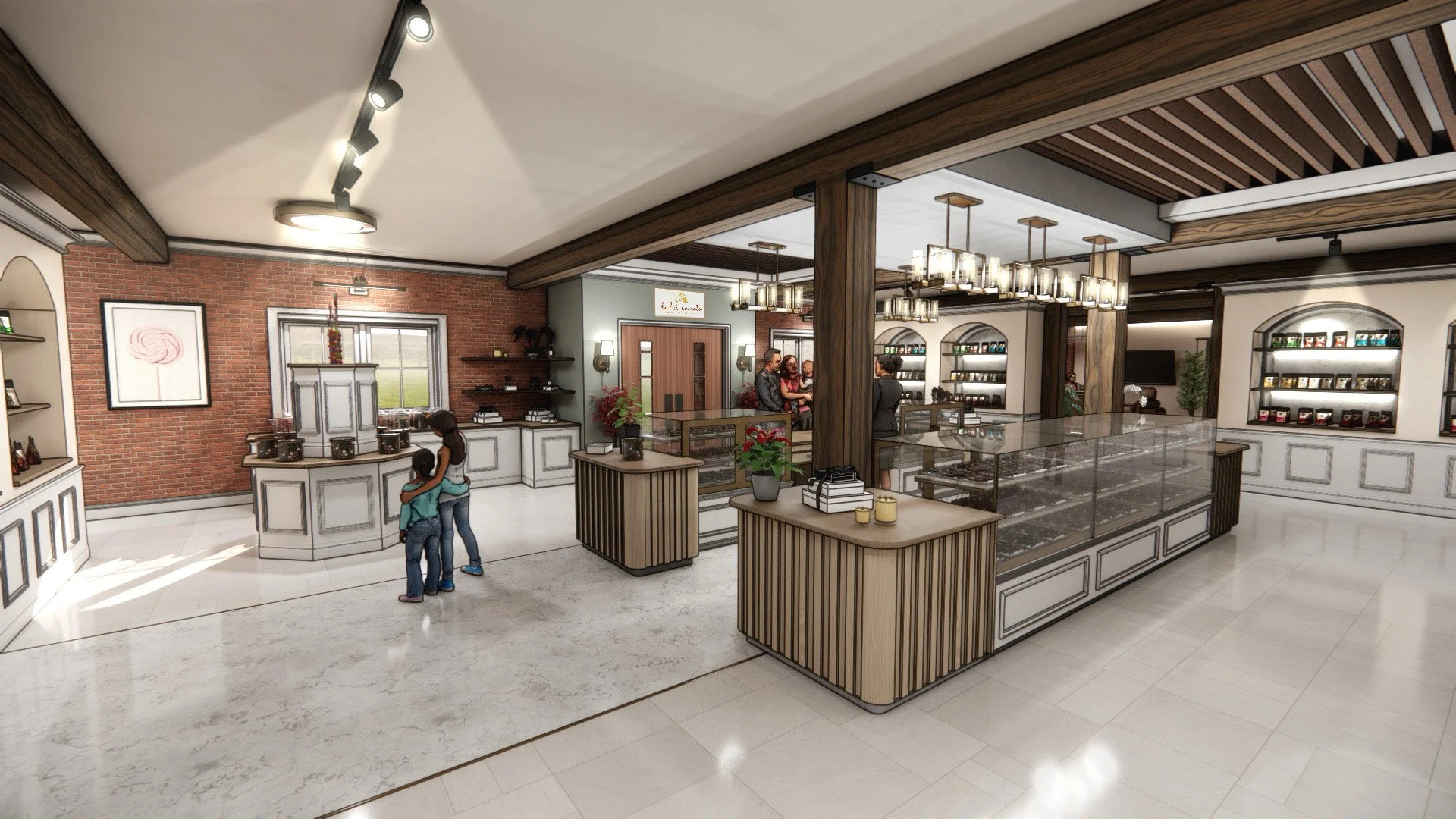
At the International Center for Creativity (ICC), experiential learning goes beyond the classroom. Students collaborate with real businesses and organizations to tackle authentic design challenges, gaining valuable hands-on experience while developing creative solutions that make a meaningful impact.
One example is ICC’s project with Dulci Sweets in Ashland, Ohio, where senior Industrial and Innovative Design students explored architectural spaces, interior design, and customer experiences to help shape a local business expansion and contribute to community revitalization.
Read the Full Story: Dulci Sweets’ Expansion Helps Revitalize Ashland
ICC Grad Talk
Where are they now? Catch up with ICC graduates and discover where their creativity has taken them. These videos highlight their careers, accomplishments, and experiences since graduation—and offer a glimpse into the many paths an ICC education can inspire.
In this interview, Alyssa (Vandegrift) Hawkins shares insights from her work as the director of graphics at Hub+Weber Architects. She discusses best practices for rendering composition, the software tools she uses in her workflow, and several recent architectural projects she has contributed to. Alyssa also offers practical advice and encouragement for current students preparing to enter the architectural design industry.
Two Campuses. One Exceptional Student Experience.

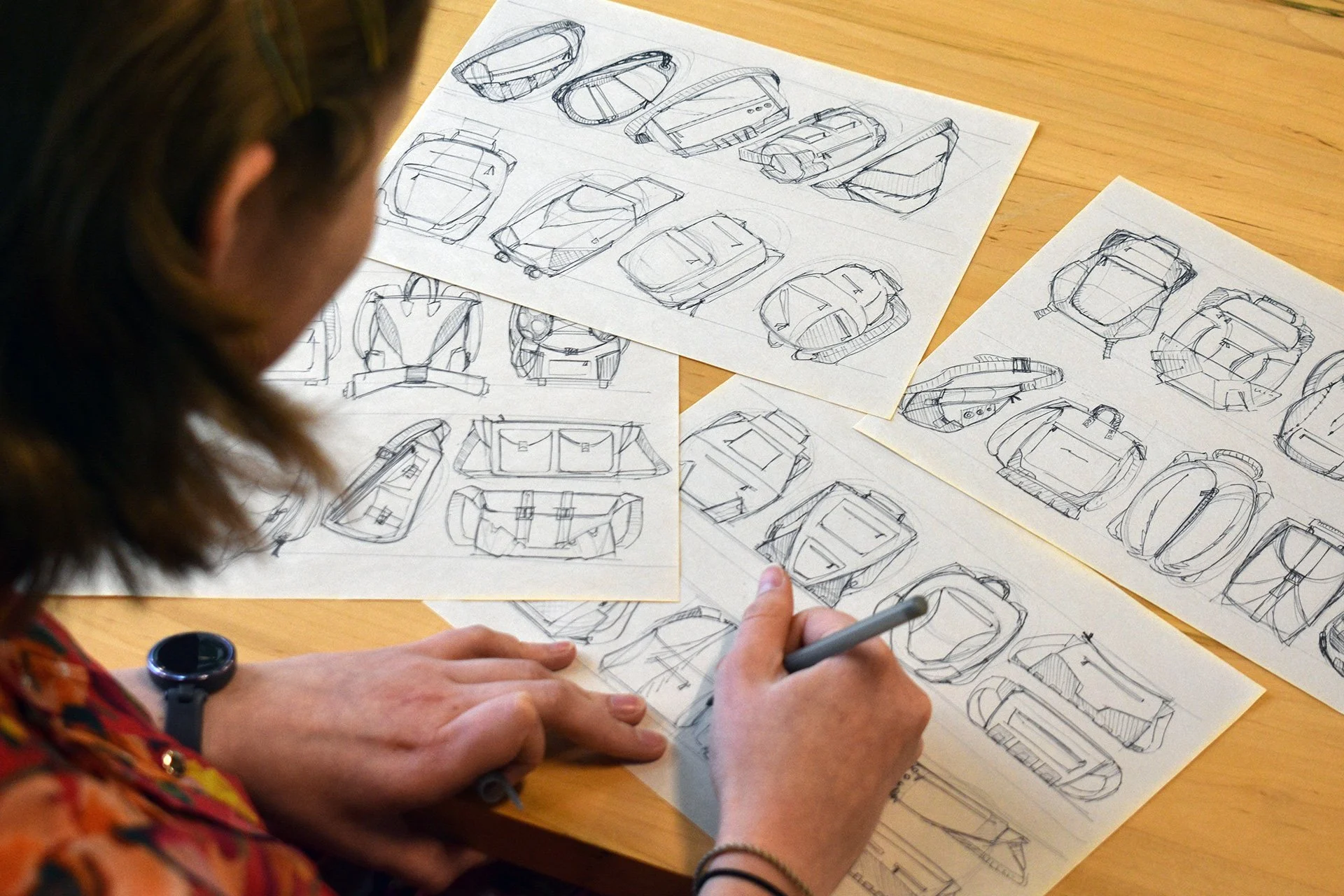
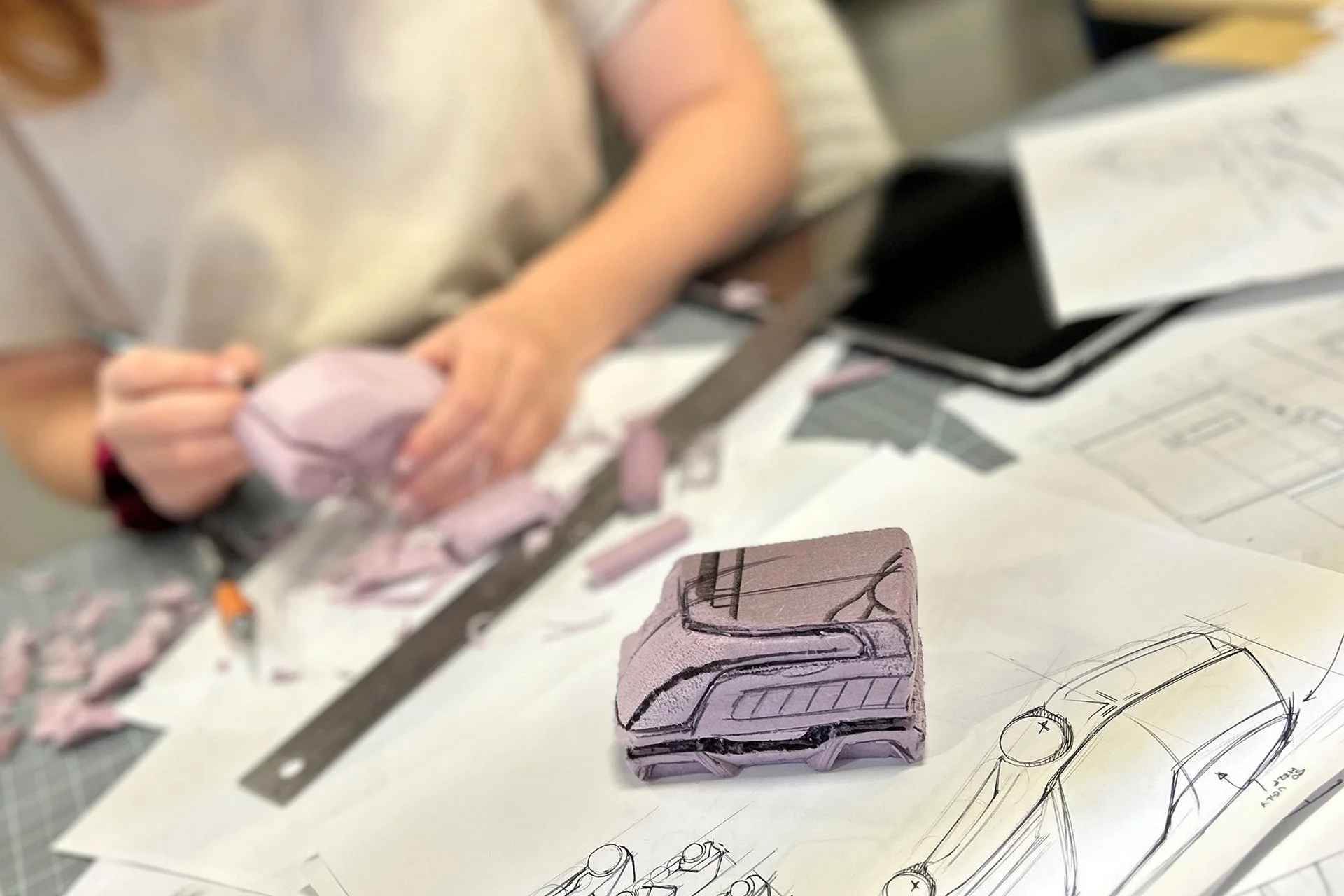
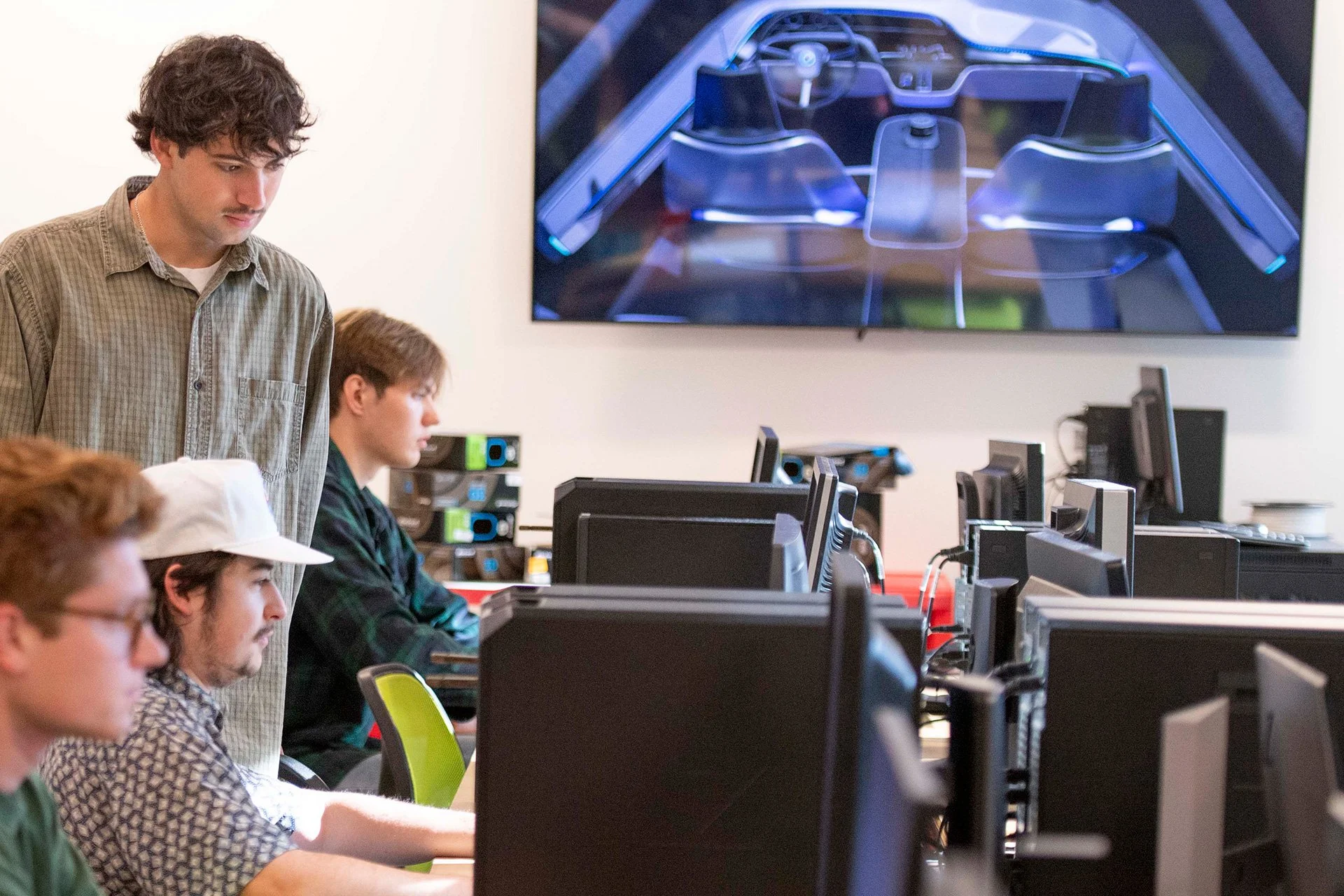
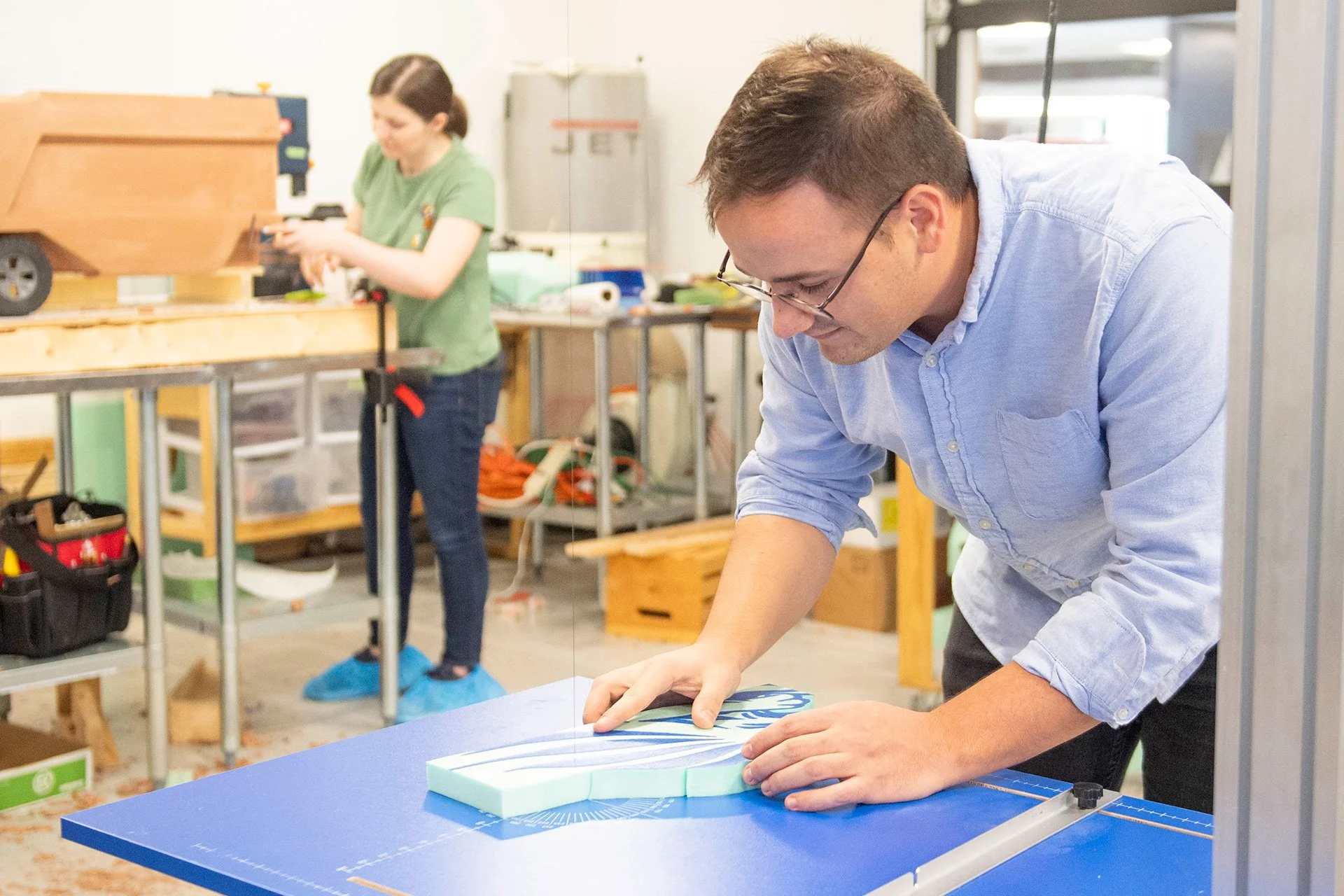
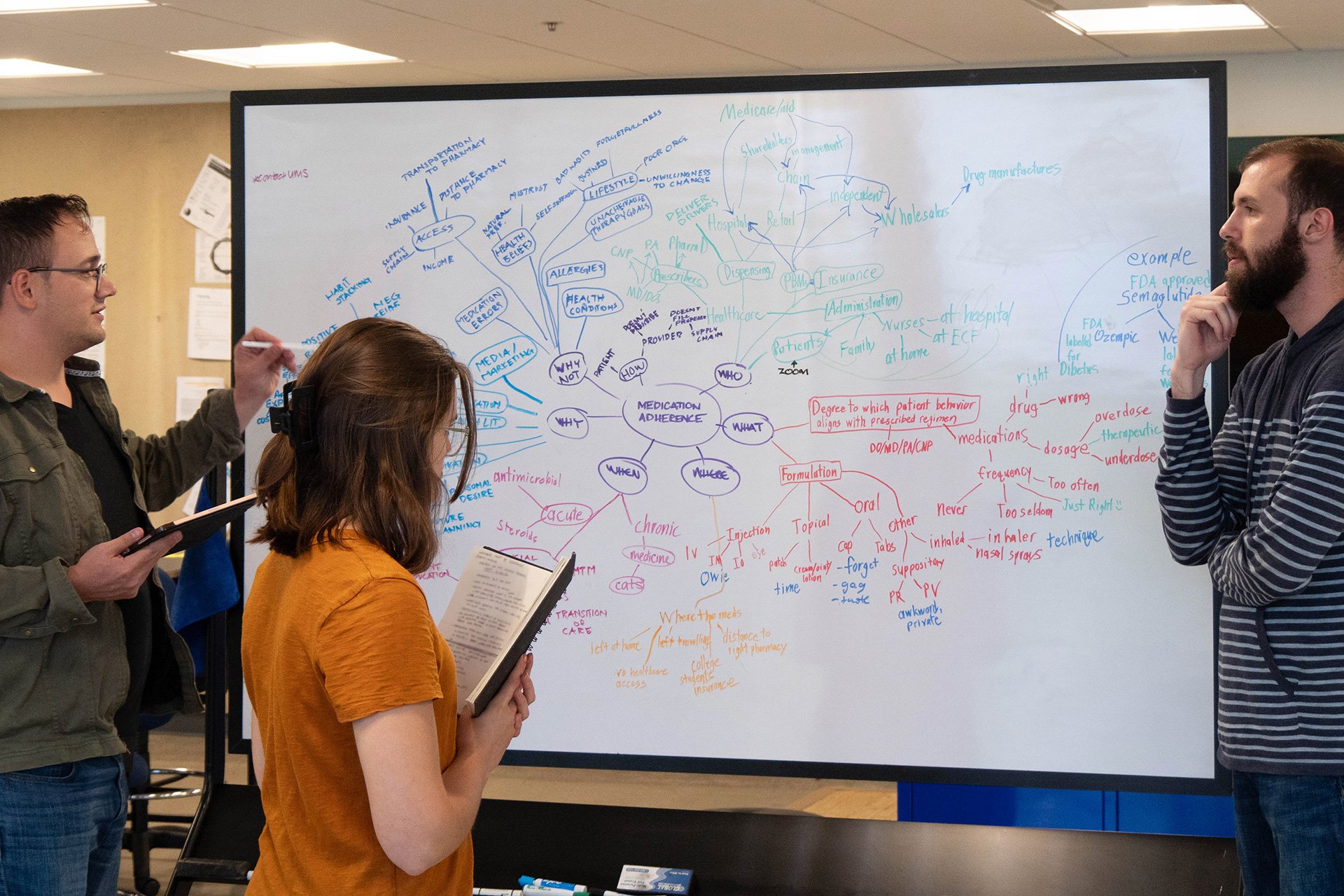
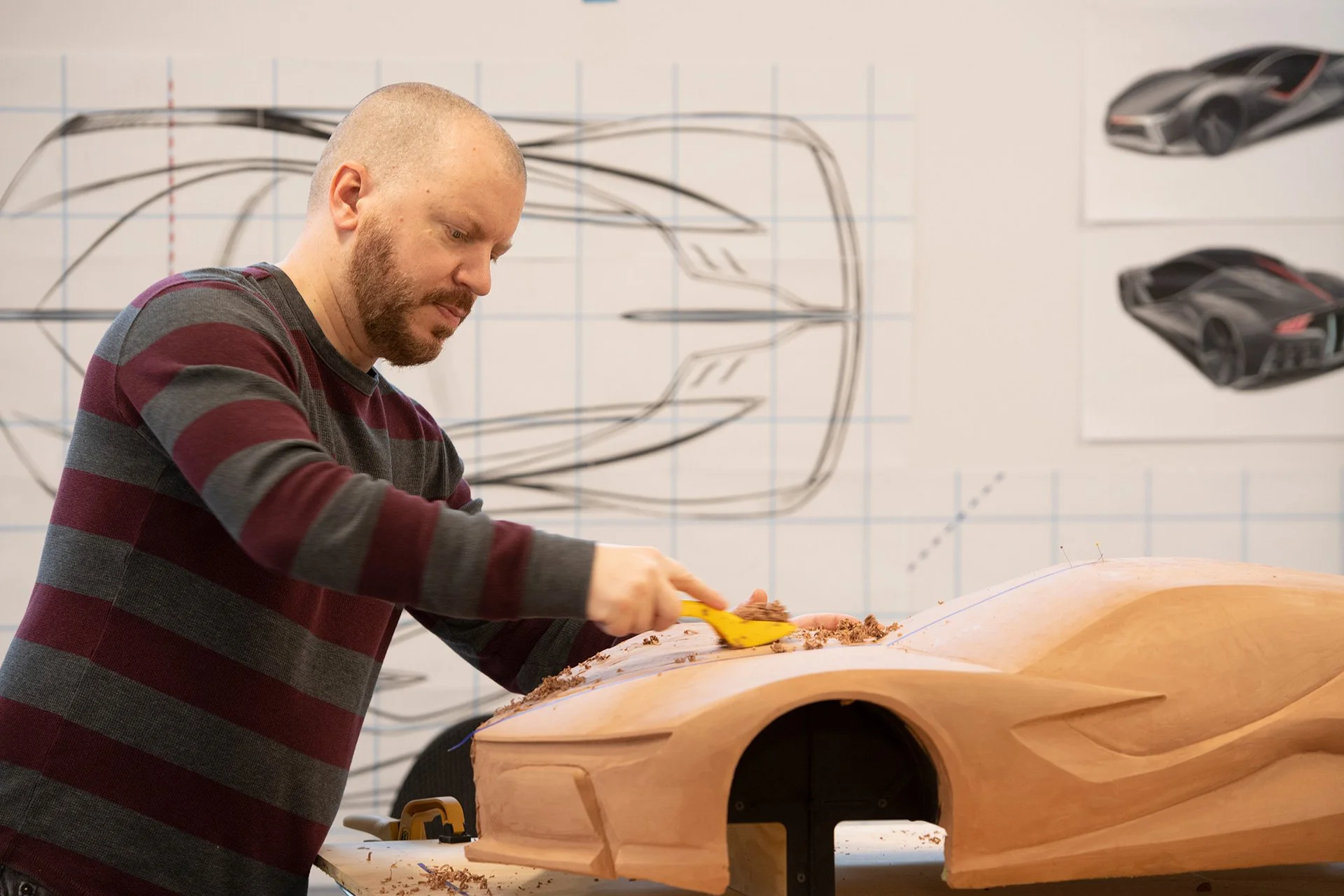
Students in the Industrial and Innovative Design program enjoy the best of both worlds through a unique four-year college experience. The first two years are spent on Cedarville University's campus in Cedarville, Ohio, building a strong academic foundation while enjoying traditional college life and a vibrant campus community. The final two years take place at the ICC Innovation Campus in Dublin, Ohio, where students immerse themselves in a collaborative, studio-based learning environment focused on creativity, innovation, and real-world design challenges.
Together, these two distinct experiences offer an exceptional blend of campus life, meaningful relationships, hands-on learning, and professional preparation.

Discover Where Our Graduates Are Making an Impact
From innovative startups to leading companies across a wide range of industries, ICC graduates are putting their creativity and design skills to work. Connect with our students and alumni on LinkedIn to explore their career journeys, discover the exciting places they're working, and see how they're impacting the world.
Simply search for “International Center for Creativity” on LinkedIn or visit our company page to connect with our community and discover where an ICC education can take you.
Explore the International Center for Creativity on LinkedIn →
What kinds of places could you design?
Educational and institutional designers work on an enormous range of environments:
K–12 schools • colleges and universities • classrooms • innovation labs • makerspaces • libraries • learning commons • student centers • residence halls • dining facilities • science and technology labs • museums • churches • worship environments • civic buildings • government facilities • community centers • performing arts facilities • recreation centers • visitor centers • nonprofit organizations • training centers
Designers may help reinvent a traditional classroom for collaborative learning, create a makerspace where students can build and experiment, develop a university innovation center, rethink a public library for the digital age or help a community imagine an entirely new civic environment.
They may work for architecture and interior-design firms, educational design consultancies, universities, school systems, government agencies, furniture manufacturers, exhibit-design firms, design-build companies or specialized planning and design organizations.
What Does an Educational & Institutional Designer Actually Do?
Imagine being asked to design a high school of the future.
Where would you begin?
Not with the color of the walls.
You would begin with people.
How do students learn?
When should they work individually?
When should they collaborate?
How will technology be used?
Where can students build things?
Where can they gather informally?
How does a teacher move through the room?
Can students with different physical abilities use the environment?
How can furniture change as activities change?
What makes students feel safe?
How can the building communicate the school's identity and mission?
Those questions eventually become research, sketches, diagrams, floor plans, models, prototypes, renderings and presentations.
The designer is doing much more than creating a room.
They're helping design the experience of learning.
The Educational Designer's Toolkit
Educational and institutional designers combine creative abilities with sophisticated technical skills.
Hard skills can include design research, rapid sketching and ideation, perspective drawing, space planning, floor-plan development, 2D and 3D CAD, Revit/BIM, digital modeling, rendering and visualization, furniture and fixture design, materials and finishes, lighting concepts, accessibility, ergonomics, signage and wayfinding, prototyping, modelmaking and presentation development.
Depending upon the role, designers may use Revit, AutoCAD, SketchUp, SolidWorks, Adobe Creative Cloud, digital drawing tools, rendering and visualization platforms, VR/AR applications and increasingly AI-assisted design tools.
But schools, universities, libraries and civic spaces exist to serve people.
That means successful designers also need exceptional listening, empathy, observation, curiosity, communication, collaboration, creative problem-solving, storytelling, presentation, leadership, adaptability and teamwork skills.
An educational designer may need to listen to students, teachers, administrators, parents, librarians, facilities professionals, community members, architects and contractors—and transform all of those perspectives into a coherent solution.
Great designers don't begin by assuming they have the answer.
They begin by asking better questions.
How Is AI Changing Educational & Institutional Design?
AI is giving designers powerful new ways to investigate complex problems.
Designers can use AI to help organize research, identify patterns, explore ideas, rapidly visualize concepts, compare alternatives and communicate possibilities to clients and communities.
Imagine a school district considering several approaches to a new collaborative learning environment.
Instead of developing one idea and asking everyone to imagine it, designers can increasingly use AI-assisted visualization, generative tools and immersive technology to explore multiple possibilities earlier in the process.
Computational and generative-design tools can also help professionals investigate design alternatives against defined goals and constraints.
But AI doesn't know what makes a great school.
It doesn't understand the personality of a particular community.
It doesn't know why one student struggles to concentrate in a certain environment or why another needs a quiet place to feel comfortable.
AI can generate possibilities. Designers must understand people.
Tomorrow's successful designers will combine AI speed and computational power with empathy, creative judgment and human-centered problem-solving.
Why ICC + Cedarville?
Because learning environments aren't simply buildings.
Consider a modern classroom.
It includes the architectural space, but also:
People + Furniture + Products + Technology + Lighting + Graphics + Information + Movement + Accessibility + Experience
That's precisely why Industrial & Innovative Design can provide such a powerful foundation.
ICC students don't study only buildings.
They study consumer products, interior architectural spaces, exterior architectural spaces and transportation, while developing capabilities in design thinking, consumer research, visualization, prototyping, innovation, entrepreneurship, storytelling and professional presentation. Cedarville describes the major as a comprehensive design education incorporating rendering, hands-on problem-solving, modelmaking, digital design, design research and design-thinking methodology.
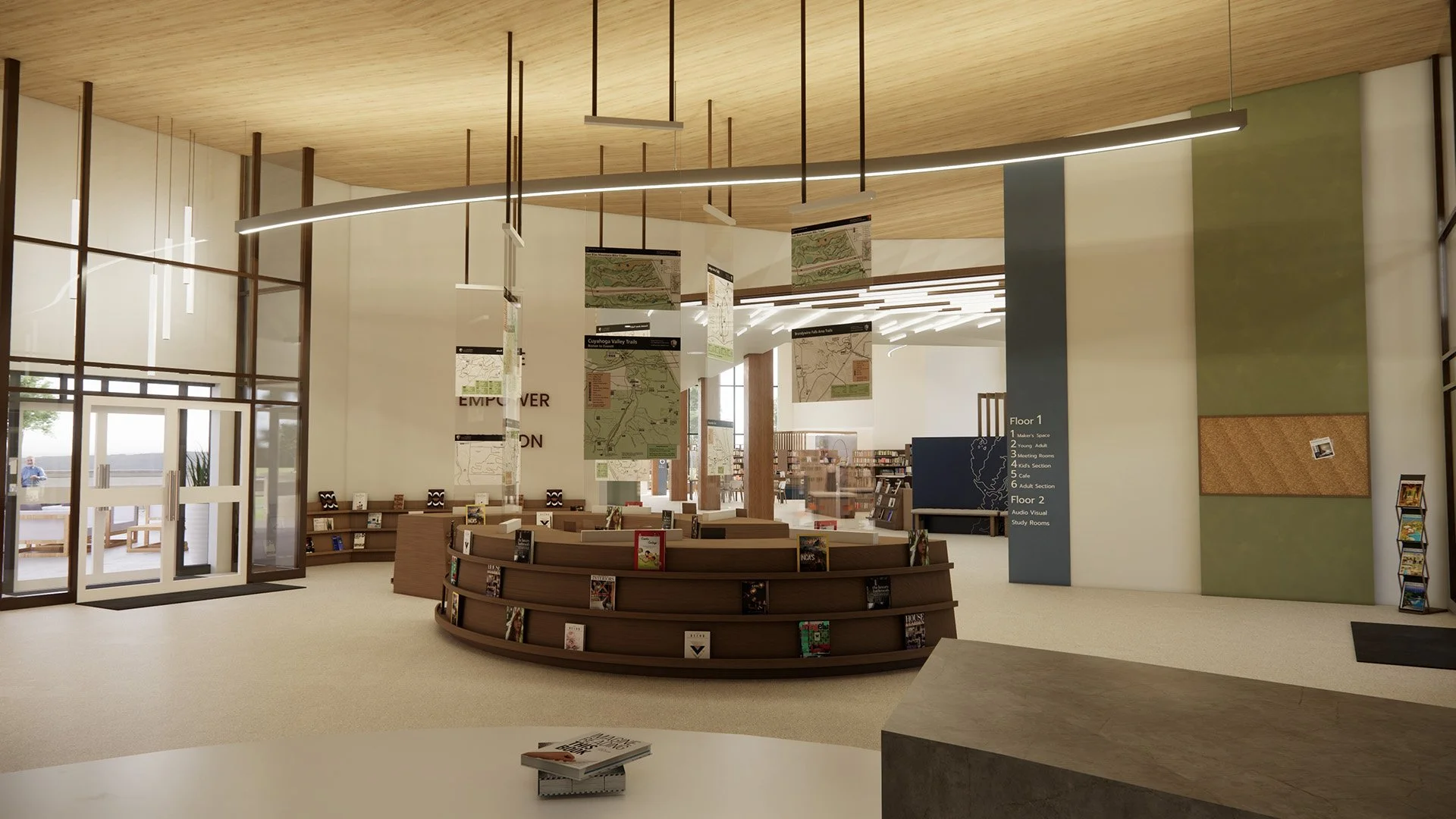
Think about designing a library.
The designer considers the building and interior spaces—but also furniture, shelving, technology, signage, lighting, wayfinding, study environments, accessibility and how people move through and experience the facility.
Industrial designers are trained to see those relationships.
ICC Students Are Already Designing the Future of Learning
This isn't merely a hypothetical career pathway.
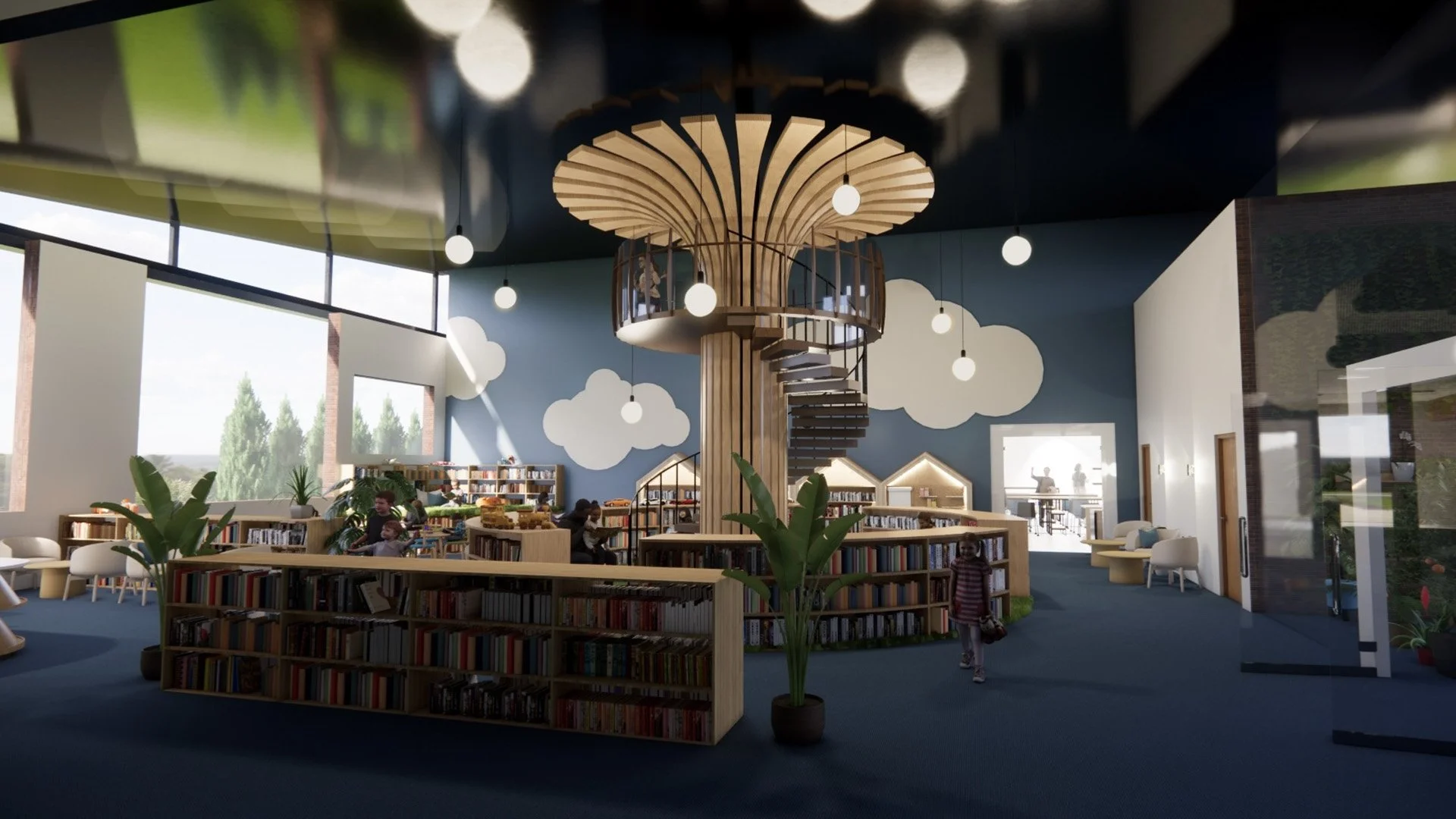
In 2025, Cedarville/ICC seniors worked with the City of Broadview Heights and the Cuyahoga County Planning Commission on a real municipal design challenge.
The students visited the community, met with officials, studied potential sites and then developed a master plan and digital renderings centered around a:
“Library of the Future.”
Their assignment required them to think beyond the building itself and consider community identity, accessibility, long-term growth and the surrounding civic environment.
Instructor and architectural design professional Timothy Hunsicker described the purpose as giving students a lifelike professional project and teaching them how architectural design and master planning interact with the economic, social and built environment.
That's educational and institutional design happening before graduation.
The Best of Two Worlds
The partnership between the International Center for Creativity and Cedarville University creates an educational experience that's difficult to duplicate.
Students begin at Cedarville University, experiencing the community and energy of a traditional residential Christian university—residence halls, friendships, athletics, student organizations, chapel, campus activities, academics and campus life.
Then Industrial & Innovative Design students transition to ICC's professional studios in Dublin, Ohio, for their junior and senior design years.
Cedarville describes the arrangement as a distinctive 2+2 model: two years experiencing the traditional university campus followed by two years immersed in professional design education at ICC. Students develop professional portfolios through real-world, hands-on projects using industry-standard technology.
It's the best of two worlds.
A vibrant, Christ-centered university experience + an immersive, career-intensive professional design education.
Students don't have to choose between having a complete college experience and receiving specialized professional preparation.
They get both.
National Recognition. Exceptional Engagement.
Cedarville has built a national reputation for combining rigorous academics, Christian community and unusually high student engagement.
The Wall Street Journal ranked Cedarville No. 4 nationally for student engagement in its 2022 rankings. The engagement measure reflected students' interaction with professors, other students and their education—particularly relevant to an intensive, studio-based design education.
And in 2026, Cedarville was named Top Christian University by Education Insider, adding another national recognition to its academic and career-outcomes story.
ICC's Industrial & Innovative Design program has achieved national recognition of its own.
The program was ranked No. 5 in College Values Online's 2025 ranking of bachelor's degrees in industrial design. ICC reports that Cedarville was the only Ohio university in the Top 10 and the only evangelical Christian institution represented in the national ranking, alongside programs at institutions including Georgia Tech and Carnegie Mellon.
A nationally recognized Christian university + a nationally ranked professional design program.
That's a compelling combination.
Learn Design Where Design Happens
During their upper-level years, students study at ICC in Dublin, Ohio, within the greater Columbus metropolitan area.
That puts students within a major ecosystem of architecture and design firms, corporations, educational organizations, manufacturers, civic institutions, technology companies and entrepreneurs.
ICC's move to Dublin was itself driven partly by Columbus's growing importance as a Midwestern center for innovation and design. Cedarville described Columbus as a rapidly growing innovation community and a Midwest hub for design.
That location creates opportunities for students to interact with professionals while they're still building their portfolios and developing their professional identities.
For students, moving to ICC isn't simply changing classrooms.
It's an intentional transition toward professional life.
Real Communities. Real Problems. Real Expectations.
The Broadview Heights library project isn't an isolated example of ICC's approach.
In another architectural-space project, Cedarville's village revitalization organization turned to senior ICC students for ideas to improve the community. Students completed a four-week exterior-space-design project with the Village of Cedarville as their client, developing proposals intended to help local leaders imagine possibilities for the community.
That kind of project teaches lessons a textbook can't.
Students have to consider real people, existing conditions, budgets and constraints, community identity, client expectations and competing priorities.
They also have to collaborate.
ICC's 2026 Broadview Heights project specifically required students to work in teams, reinforcing the communication and collaboration skills expected in professional architectural and institutional design.
That's the difference between learning about design and learning to become a designer.
Professional Skills That Go Beyond Software
ICC's educational model intentionally develops both sides of professional preparation.
Students certainly learn technical skills.
But real-world projects also require communication, teamwork, creative problem-solving and adaptability.
That same philosophy can be seen across ICC's curriculum. During a recent intensive transportation-design project, for example, students developed sophisticated CAD models, 3D-printed components, clay models and renderings—but Cedarville reported that daily critiques and design reviews simultaneously strengthened their communication, collaboration and creative problem-solving abilities.
Those skills transfer directly into educational and institutional design, where multidisciplinary teams are the norm.
Design Can Also Be Service
Educational design offers something else that fits particularly well within Cedarville and ICC's Christian mission.
Design knowledge can be used to serve others.
ICC students have volunteered as judges and mentors for the Ohio Invention Convention, helping K–12 students develop ideas through an interdisciplinary invention process.
And institutional-design projects such as Broadview Heights and the Cedarville revitalization initiative give students opportunities to use their creative abilities to help communities imagine better futures.
For a student who wants creativity to have purpose, that matters.
Could Educational & Institutional Design Be Your Career?
Maybe you're the student who walks into a classroom and immediately thinks:
“There has to be a better way to arrange this.”
Maybe you love libraries, museums, campuses or architecture.
Maybe you're interested in education—but don't necessarily see yourself becoming a teacher.
Maybe you enjoy creativity but also like technology, organization, problem-solving and working with people.
Maybe you want to design things that could influence thousands of people over decades.
Maybe you've never realized there was a career combining all those interests.
There is.
At Cedarville University and the International Center for Creativity, you'll build traditional design fundamentals while developing capabilities in human-centered problem-solving, research, visualization, hands-on making, digital technology, collaboration and emerging tools such as AI.
You'll begin with the community and energy of a vibrant Christian university.
Then you'll transition into an immersive professional design environment where the emphasis increasingly becomes your skills, your portfolio and your career.